A single false statement can cost you your career, your relationships, and your peace of mind. It does not matter if it was posted online or whispered across a room. The damage hits fast and cuts deep.
Defamation of character is more than just hurtful words. It is a legal violation that thousands of Americans fight in court every year.
In this post, you will get a straight breakdown of how defamation works, the difference between libel and slander, and what it takes to build a winning case.
You will also find out exactly what to prepare and when to bring in legal support. Keep reading. The facts ahead could change how you handle your next dispute.
What Is Defamation of Character?
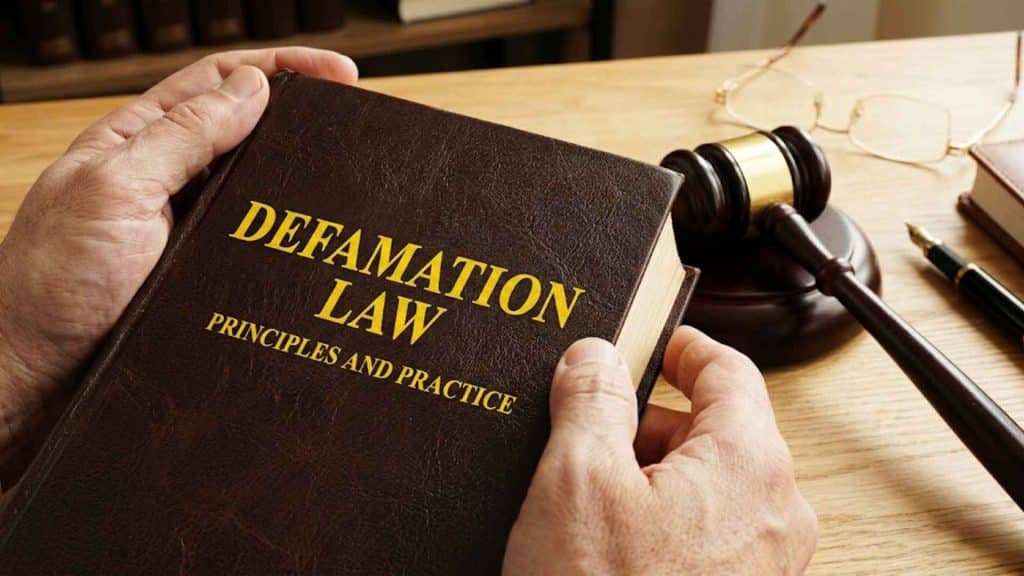
Defamation of character occurs when someone makes a false written or spoken statement about you to a third party, causing significant harm to your reputation or livelihood.
Legal Definition:
Defamation of character is a false statement made to a third party that damages a person’s reputation. Under U.S. law, the statement must be presented as a fact, not an opinion.
It must also cause measurable harm to the person it targets.
Everyday Explanation:
Think of a neighbor telling others that you stole money from work. That never happened. But people start treating you differently. You lose friends.
Maybe even your job. That is defamation in real life. It does not have to be in a courtroom to cause serious damage.
Types: Libel vs Slander:
Defamation comes in two forms. Knowing the difference can make or break a lawsuit.
| Type | Form | Example |
|---|---|---|
| Libel | Written or published false statements | A false news article or social media post |
| Slander | Spoken false statements | A false rumor spread verbally |
The distinction matters in court. Libel is easier to prove because there is a written record. Slander cases often require proof of actual financial loss.
Defamation Lawsuits
The Statement:
The statement must be spoken, written, or expressed in some form. Statements involving health, business, criminal behavior, or sexual misconduct are especially damaging. These can qualify as defamation per se under the law.
Publication:
A third party must have seen, heard, or read the statement. It does not need to be printed. A false claim heard on television or written on a public wall counts as published.
Injury:
The statement must have caused real harm. This includes loss of work, money, or reputation. You must show direct damage to succeed in court.
Falsity:
Only false statements can be considered defamatory. A true statement does not qualify as defamation in most U.S. states.
Unprivileged:
Some statements are legally protected. A witness testifying in court cannot be sued for defamation, even if the statement causes harm.
What Are the Elements of a Defamation Case?
To file a successful defamation lawsuit, every element must be proven in court. Here is a quick breakdown:
| Element | What It Means |
|---|---|
| A Statement Was Made | The false claim must have been spoken, written, or expressed in some form. |
| The Statement Was Published | A third party must have seen, heard, or read the statement. |
| The Statement Was False | Only factually incorrect statements qualify. True statements are not defamation. |
| The Statement Caused Injury | The victim must show actual harm, such as job loss, financial loss, or reputational damage. |
| The Statement Was Unprivileged | Statements made in protected settings, such as courtrooms, do not constitute defamation. |
How Does a Defamation of Character Lawsuit Work?
Filing a defamation lawsuit involves several steps. Here is how the process typically unfolds.
Step 1: Gather Evidence:
Collect all proof of the false statement. This includes screenshots, recordings, witness statements, or any written records. Strong evidence builds a stronger case.
Step 2: Consult an Attorney:
Speak to a defamation lawyer before taking any legal action. A lawyer will assess your case and tell you if it is worth pursuing in court.
Step 3: File a Complaint:
Your attorney files a formal complaint in the appropriate court. The complaint outlines the false statement, its publication, and the harm it caused.
Step 4: Serve the Defendant:
The person being sued must be officially notified. This is called serving the defendant.
Step 5: Discovery Phase:
Both sides gather and exchange evidence. This phase can take weeks or even months, depending on the complexity of the case.
Step 6: Trial or Settlement:
Many defamation cases settle out of court. If no agreement is reached, the case goes to trial, and a judge or jury decides the outcome.
How to Win Your Defamation Case?

Defamation cases can be complex. Taking the right steps early gives you a much stronger chance of success.
1. Document Everything:
Save all proof of the false statement. This includes social media posts, private messages, emails, and public records. Evidence can disappear fast online. Preserving it from the start keeps your case on solid ground.
2. Develop Your Damages:
Track every way the false statement has hurt you. This includes lost income, emotional distress, and any costs you faced because of the statement. A clear damage record strengthens your claim significantly.
3. Engage With Witnesses:
Witnesses can confirm what was said and how it affected your reputation. Reach out to them early. Explain why their testimony matters. Early engagement makes them more willing to support your case.
4. Secure Expert Witnesses:
Expert witnesses add weight to your claim. They can support both liability and damages arguments. Bringing them in early gives them enough time to review evidence and prepare a strong report.
What You Need in the End?
Winning a defamation case comes down to preparation. Here is a quick summary of what you need to secure a favorable outcome:
| What You Need | Why It Matters? |
|---|---|
| A Clear Legal Strategy | Keeps your case focused and moving forward efficiently. |
| Readiness for Defenses | Defendants raise privileges and defenses. Being prepared helps you counter them. |
| Early Attorney Consultation | A lawyer sets the right foundation from day one and avoids costly errors. |
| Organized Case Timeline | Ensures all filings, evidence, and witness prep happen at the right time. |
| Consistent Follow Through | Staying active in your case helps avoid delays and missed opportunities. |
The earlier you get legal support, the better your chances of reaching a successful outcome.
Legal definitions provided courtesy of Cornell Law School's Legal Information Institute.
Conclusion
A defamation-of-character lawsuit is never simple. But knowing how the law works gives you a real advantage. You now understand what defamation means, how to prove it, and what steps to take in court.
The key is acting fast. Save your evidence. Track your damages. Get the right legal support early. False statements can destroy reputations, careers, and relationships. You have every right to fight back.
Have you or someone you know dealt with a defamation situation? Share your thoughts in the comments below. Your experience might help someone else take the right step forward.
Ready to take action? Speak to an experienced defamation attorney today and protect your reputation before it is too late.
Frequently Asked Questions
Can I Be Sued for Defamation if I Just Share an Opinion?
Generally, no. Under the First Amendment, pure opinions cannot be proven true or false and are legally protected.However, if your “opinion” implies false underlying facts, it could still lead to a lawsuit.
How Much Does a Typical Defamation Lawsuit Cost in the USA?
Legal fees vary wildly, but a full case can cost between $15,000 and $100,000+. Many attorneys require retainers from $2,000 to $10,000 just to begin the complex discovery and deposition phases.
Is There a Time Limit for Filing a Defamation Claim?
Yes, this is known as the statute of limitations.In most U.S. states, you have only one year from the date the statement was published to file a lawsuit before you lose your right to sue.
Can I Sue Someone for A Defamatory Social Media Post?
Absolutely. Platforms like X, Facebook, and Instagram are considered “published” media. While the platform itself is usually protected by Section 230, the individual who posted the false statement can be held personally liable.
What Is the “Actual Malice” Standard for Public Figures?
Public figures, like celebrities or politicians, face a higher burden of proof.They must prove “actual malice,” meaning the person who made the statement knew it was false or acted with reckless disregard for the truth.