
When property files, permit applications, meeting minutes, court documents, tax records, or utility accounts are stored, searched, emailed, copied, backed up, or shared between departments, they can become a target.
This is why more and more public agencies, clerks’ offices, schools, libraries, utilities, and community organizations are looking at digital security solutions for protecting sensitive data before a weak spot turns into a public mess.
The idea behind a vulnerability assessment is pretty simple: find the cracks before someone else does.
Public Records Are Useful, Which Also Makes Them Risky
A public record system has to be accessible. That is the whole point. Residents need to search documents, request copies, pay bills, register for services, check cases, apply for permits, or contact the right office without jumping through ridiculous hoops.
The problem is that access and exposure are close enough cousins to cause trouble. With remote work, cloud tools, scanned documents, third-party vendors, aging software, and rushed budget decisions, the small local system is suddenly not small at all.
Modern cyber threats are increasingly becoming a community issue, as attackers look for weak passwords, forgotten servers, outdated software, exposed storage folders, misconfigured portals, and staff members who are too busy to question a convincing email.
What a Vulnerability Assessment Actually Looks for
A useful cybersecurity vulnerability assessment looks at the places where community data could be exposed, altered, stolen, locked, or misused. That includes the obvious things, like outdated software and missing patches, but also the less obvious ones, like too many people having admin access or old accounts still being active after employees leave.
A good assessment may review:
- Public-facing websites and portals
- Databases that store resident or case information
- Email systems and account security
- Cloud storage and file permissions
- Remote access tools
- Vendor connections
- Backup systems
- Staff access levels
- Old software that no one wants to touch because “it still works”
- Security policies that exist on paper but not in real life
The Stakes Are Not Just Technical
When a private company loses data, customers get angry. When a public office loses data, the damage can feel more personal because residents often have no real choice in handing that information over.
People cannot always choose a different school system, court system, public utility, or local agency. There is a built-in trust there, and when it breaks, the fallout is ugly.
The FBI’s 2025 Internet Crime Report combined information from more than 1 million complaints and reported losses exceeding $20 billion.
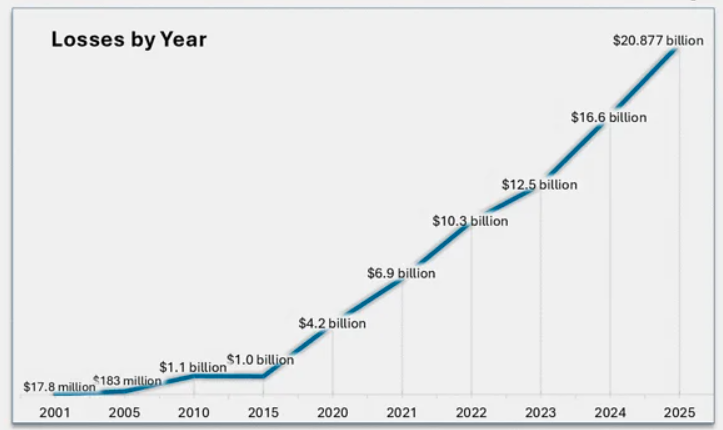
That number is not only about public records, of course, but it does show the wider environment in which public agencies operate. Cybercrime has clearly become part of the normal risk landscape.
For a public organization, a cybersecurity breach can mean delayed services, emergency meetings, legal review, public notices, angry residents, overtime, outside consultants, media coverage, and a long tail of distrust.
Prioritizing What Actually Needs Fixing
A decent vulnerability assessment ranks risks by what could actually hurt the organization and the community. For example, an outdated plugin on a low-traffic informational page is not the same as an exposed database containing resident Social Security numbers. Both may need attention, but they do not deserve the same level of alarm.
One of the most common problems is that organizations do not always know where their sensitive data sits.
A vulnerability assessment helps map that sprawl enough to start asking better questions, like:
- Where are the copies?
- Who can open them?
- Are they encrypted?
- Are old files still needed?
- Are permissions too broad?
- Are backups protected from ransomware?
- Is sensitive information being sent through regular email when it should not be?
You cannot protect what you cannot find.
Third-Party Vendors Need a Closer Look
Public records and community data rarely stay inside one building anymore. Payment processors, cloud platforms, software vendors, records platforms, call centers, consultants, and managed service providers may all touch part of the environment.
That does not mean vendors are bad, but it does mean vendor access needs supervision.
A vulnerability assessment can review how third parties connect, what permissions they have, whether accounts are shared, how data is transferred, and what happens when a contract ends. This is especially important for smaller organizations that assume the vendor has security handled.
Vulnerability Assessments Are Not One-and-Done
A single assessment is better than no assessment, but treating it like a yearly dental cleaning is not enough anymore.
Systems, staff, and vendors change. Software updates and new portals go live, while old tools get forgotten.
Not every organization needs constant expensive testing, but vulnerability management should become a rhythm. Do the boring work before it becomes breaking news.
A vulnerability assessment will not stop every phishing email or magically modernize every outdated system. But it can show where the biggest risks are and how to protect public records without making daily work impossible.