
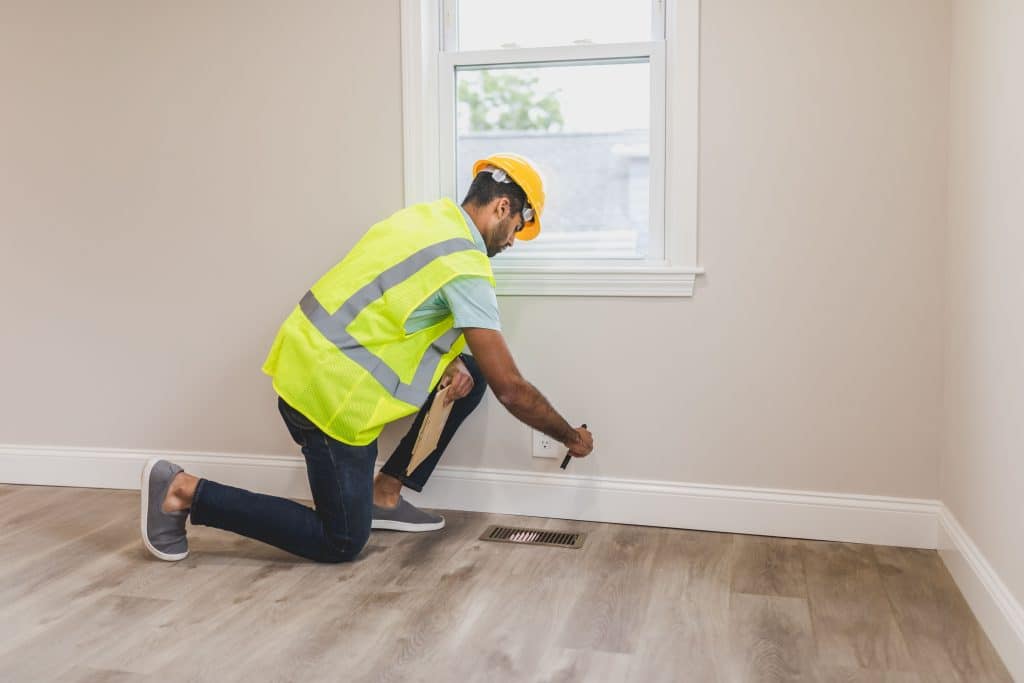
Floor damage between tenancies eats into a landlord’s budget fast. Vinyl starts lifting near the kitchen door. Laminate swells after a slow leak under the sink. Carpet stains look harmless during checkout, then refuse to shift after cleaning.
A Manchester rental does not stay gentle for long. Wet trainers come in. A bed frame gets dragged across a room when someone moves out in a rush. Pets leave marks in corners. By the next viewing, the floor already shows the move.
Why Floor Damage Raises Turnover Costs in Manchester Rentals
Flooring rarely fails all at once. It starts in one tired strip near the entrance, one damp corner beside the bath, or one carpet mark hidden under a cheap rug. Then a viewer notices it.
Some Manchester rentals take more punishment than others. Student-heavy areas, shared houses, and city centre flats all wear floors in different ways. Luggage wheels, desk chairs, bike tyres in hallways, food deliveries at all hours. Ignoring that gets expensive.
Water causes some of the worst problems. A washing machine hose drips for three weeks. A bath seal splits behind the panel. The tenant wipes the middle of the floor, not the edge where water has slipped underneath. A small moisture meter can flag damp risk before the floor starts to change.
Scratches build in the routes people use without thinking. Hallway to kitchen. Sofa to balcony. Bedroom door to desk. Grit under trainers works into the surface day after day. Quiet damage, then suddenly everywhere.
Before a new tenancy starts, a floor check needs more than a look from the doorway. Photograph the joins. Get close to loose edges. Check around sinks, radiators, washing machines, and the bath panel. Keep the notes with the checkout photos. Small habit. Less arguing later.
Which Flooring Choices Handle High Turnover Better
The best rental floor is not always the one that looks strongest under showroom lights. It has to cope with tenants moving in fast, wet coats dropped by the door, desk chairs rolling over the same strip, and sauce splashed near the cooker. Pretty helps. Tough pays back.
A practical Flooring Manchester service should help landlords choose a floor that fits the room, the subfloor, the damp risk, and the way tenants actually use the space.
Luxury vinyl tile suits many rental spaces because it handles moisture better than standard laminate and cleans without drama. Rigid core SPC works well in kitchens, halls, and open plan living areas. Heavy shoes, dropped keys, moving boxes. It takes the knocks.
Carpet still earns its place in bedrooms. Some rooms need warmth underfoot, especially in colder properties. The risky part is colour and pile. Pale carpet in a shared house is brave. Or foolish. A mid tone shade, dense pile, and decent underlay give the floor a fairer chance.
Laminate sits in the middle. It gives a smart finish and keeps costs controlled, but water remains the weak spot. In a dry top floor flat with careful tenants, it may last well. In a ground floor rental with a steamy kitchen and cold outside wall, the risk climbs fast.
How Lifespan and Replacement Cycles Change the Real Cost
Cheap flooring looks attractive on the invoice. Three tenancies later, the story often changes. A basic carpet flattens near the bed, holds odours after one bad spill, and keeps a dark walkway from the door to the window. That is where fair wear and tear starts to matter.
LVT often costs more at the start, yet the yearly cost may work out lower in a busy rental. Cleaning takes less effort. Stains do not sink in the same way. A scratched patch still needs attention, but it is usually less awkward than carpet that smells of old pets on a warm day.
Laminate needs a sharper eye. Once water gets into the joins, matched repair becomes tricky. Boards fade. Product lines disappear. A new plank beside an older floor stands out fast.
With more than one property, this gets obvious. If the same hallway carpet gets replaced every other year, the cheap choice was not cheap. It was delayed spending with extra hassle attached.
What Maintenance Routines Protect Floors Between Tenants
Floor care works best when it becomes routine. Not dramatic. Routine. At checkout, look under furniture marks, behind doors, and near skirting boards. Press gently on any raised vinyl edge. Check whether a carpet stain feels dry or sticky.
Cleaning should match the material. Carpet needs extraction when stains or odours linger. Hard floors need the right cleaner and a damp mop, not a flood of water across the joins. Too much water creates the problem someone was trying to remove.
Entrance mats help more than they should. Grit stays near the door instead of travelling through the hall. Furniture pads matter too, especially now tenants work from home. A desk chair rolling over vinyl for twelve months leaves a neat little damage map.
Tenant rules should be plain. Report leaks quickly. Do not steam mop unsuitable surfaces. Use mats near outside doors. Do not drag wardrobes across the bedroom. Basic lines, but useful when a deposit dispute turns into a memory contest.
Photos help even more. Before and after images show the difference between fair wear and avoidable damage. A worn route through a hallway after years of use is one thing. A burn mark from hair straighteners is another.
Why Manchester Weather Changes Flooring Decisions
Damp months in Manchester are hard on floors. Older terraces hold moisture in corners. Ground floor flats feel colder near external walls. Bathrooms steam up, then stay that way if the fan barely works. Floors react before anyone notices.
Expansion gaps matter here. They give boards space to move when temperature and indoor humidity shift. Without them, flooring pushes against walls, door frames, or thresholds. Buckling can follow. Then everyone blames the product.
Ventilation earns its keep in kitchens, bathrooms, and ground floor rooms. A working extractor fan helps. So do clear air bricks and a dehumidifier in stubborn spaces. Not glamorous. Necessary, especially where mould has appeared before.
When Replacement Costs Less Than Another Repair
Repair feels sensible the first time. Glue down the lifted edge. Clean the stain. Replace one board. Then the edge lifts again, or the stain comes back on a warm afternoon, and the cheap fix starts looking like a habit.
Replacement makes sense when damage sits in a visible walkway, when matching materials no longer exist, or when the same room keeps failing between tenancies. Kitchens reach that point quickly. Hallways too. Bathrooms punish the wrong floor fast.
Modern wood look LVT or a darker practical carpet may make a property feel cleaner during viewings. Tenants notice mismatched patches and tired flooring, even when they say nothing.
Before the next tenancy, check the rooms that work hardest. Hallway. Kitchen. Bathroom. Main bedroom. If one area keeps failing, change the material instead of repeating the same repair.
Costly floor repairs usually start small. A damp edge. Grit in the hall. One stain left too long. Landlords who match the floor to the room, not to a neat showroom sample, have fewer surprises when tenants move out.
The right choice depends on moisture, footfall, tenant habits, and how often the property turns over. A bathroom needs one answer. A busy hallway needs another. Get those decisions right, and the floor lasts longer without looking tired after each changeover.