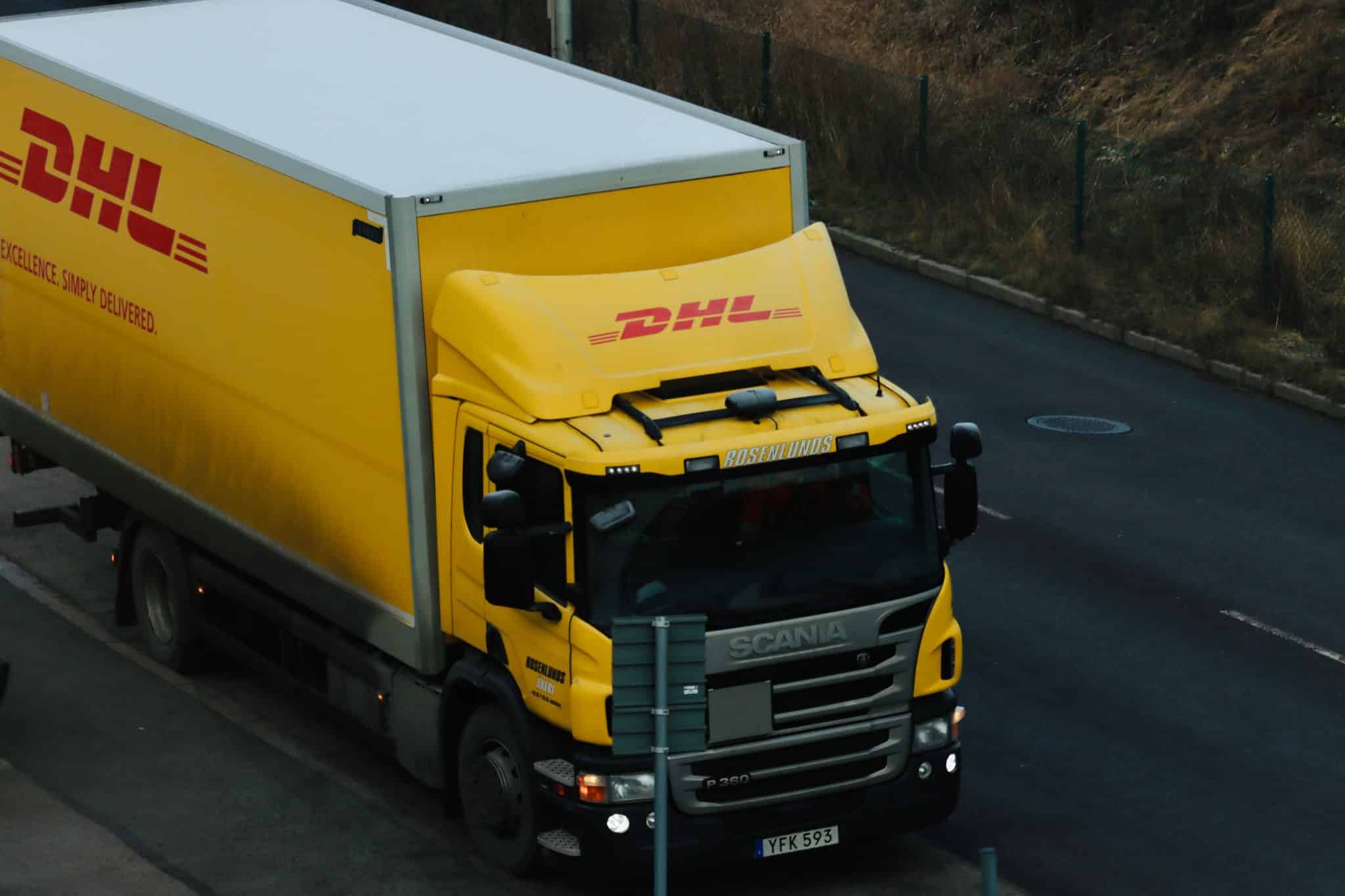
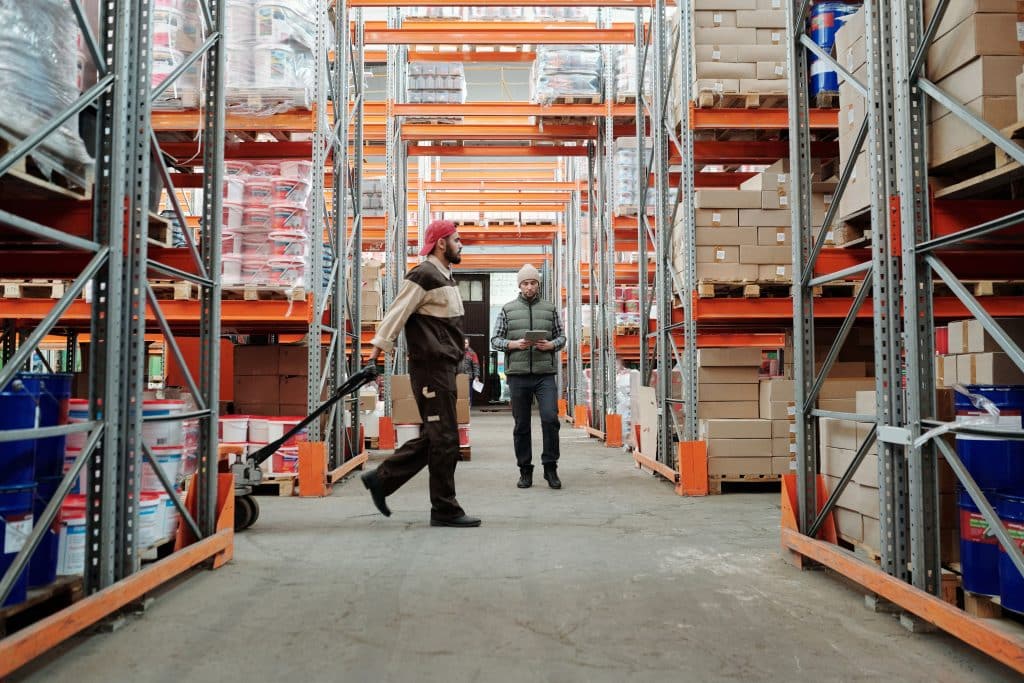
Warehouses see a lot of action from people and equipment constantly moving around the floor. Towering shelving full of items and the presence of heavy machinery like forklifts makes working in a warehouse particularly dangerous.
Although safety equipment and written procedures play an important role in preventing accidents, training holds everything together.
A warehouse can have the strictest, most effective safety policies in the world, but they’ll only work when employees follow those policies.
For example, many warehouse operations outline the requirement for forklift operators to receive formal training and certification in their employee manuals, but sometimes this requirement gets skipped to save time when onboarding new hires.
It’s not enough to have other employees show new hires how to operate a forklift. If someone isn’t trained as an instructor, even if they’re skilled, they’re going to skip over some of the most important aspects of forklift safety.
That’s why OSHA-approved forklift certification is non-negotiable. The instructors provide a thorough training program that covers everything from load capacity and blind spots to maneuvering in tight spaces.
Trained forklift operators have the skills required to recognize hazards and make safe decisions during their workday.
Training Helps Employees Recognize Hazards
Many workplace accidents happen when employees didn’t notice potential dangers before they became major problems. New hires aren’t likely to recognize the risks involved in warehouse traffic patterns, storage systems, loading docks, and equipment like forklifts.
They need formal instruction to understand where the dangers exist and how to develop safe habits like looking for a proper ladder instead of climbing a shelf, even if the item they need to reach is just a couple feet above their head.
Once workers are trained to identify hazards, they’ll be more likely to report issues to management for correction. This helps to reduce injuries all around.
Training Creates Consistency And Consistency Reduces Risk
Consistency is a big challenge in any industry, and it’s usually because people are trained by different people to different standards.
When employees perform tasks differently, it increases the chance or error. Certain deviations may seem small but can create safety risks.
Effective training is founded in standardized processes that everyone follows to the letter. For example, warehouse employees should learn correct strategies for lifting, storing, transporting, and handling materials at all heights. They should also understand that taking shortcuts to save time is never acceptable.
A high level of consistency is critical in large warehouses where shifts cross throughout the day. Sometimes teams get too comfortable doing things their way and those methods clash with other shifts.
Proper training prevents this from becoming an issue and ensures that tasks are performed to the same standards across all shifts.
Training Makes Equipment Use Safe
Today’s warehouses rely on various forms of equipment to move items around. This includes forklifts, pallet jacks, conveyors, and other machines. This equipment improves productivity and efficiency but introduces a high level of risk.
Thoroughly training employees to operate equipment safely is essential. They need to know how to prevent accidents as well as how to operate the machine. The more familiar an employee is with a piece of equipment, the easier it is for them to spot safety concerns.
For example, when someone knows how fast a pedestrian can cross in back of a forklift without being seen, they’ll check their blind spots a few times before backing up.
Safety Training Supports Healthy Company Culture
Companies with strong safety cultures develop when leadership takes an active role in supporting a safe workplace. In addition to supplying teams with working safety equipment, a management team that focuses on safety will provide ongoing training and avenues for feedback.
This can improve employee morale and encourage workers to take more responsibility for safety. For instance, they’ll be more likely to report unsafe situations.
Ongoing Training Keeps Skills Sharp
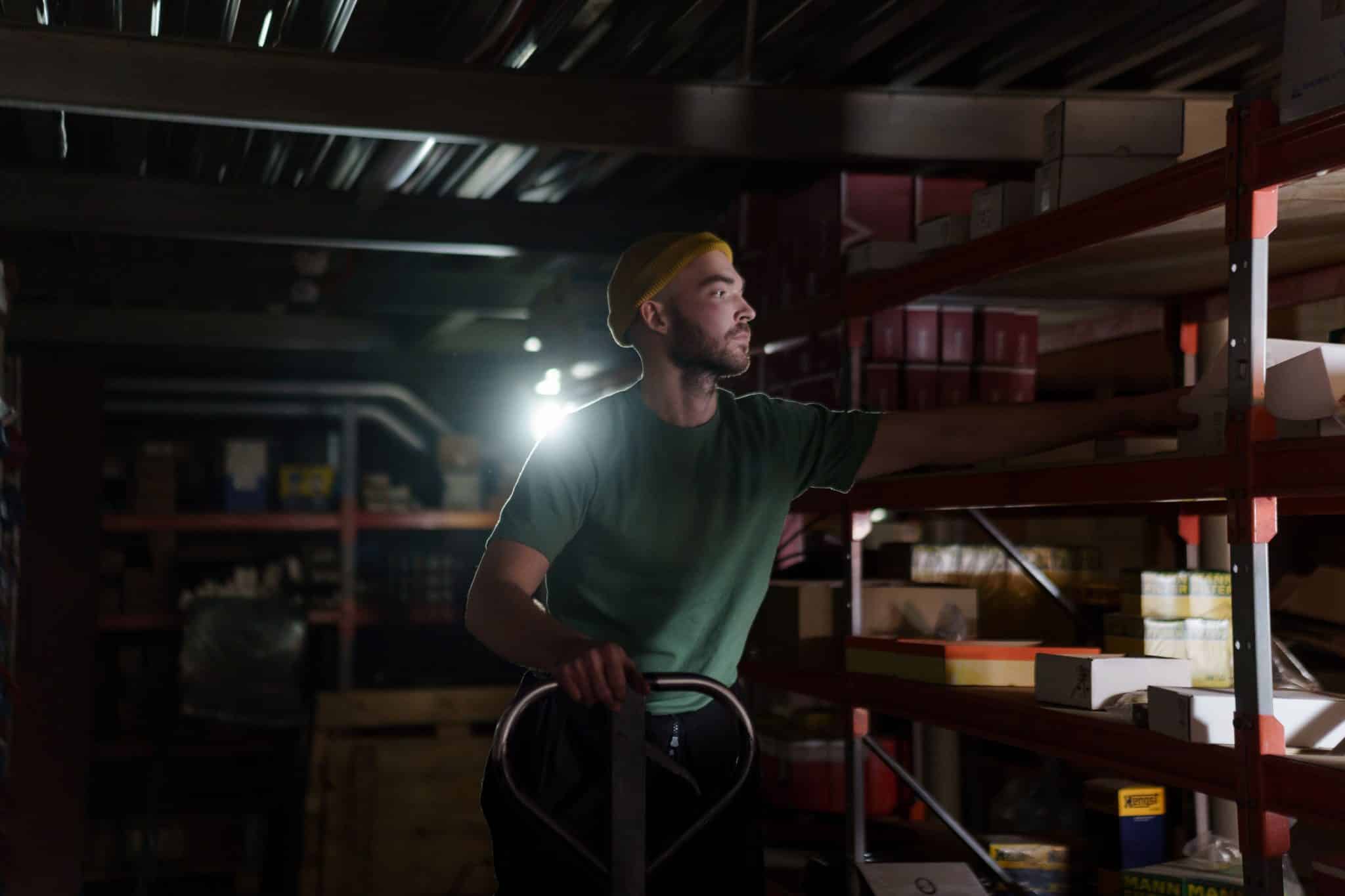
Even the most well-meaning employees can slip into habits that disregard safety policies once they feel comfortable. Many people start out fully committed to impeccable safety right after their initial training and then slowly relax over time.
Ongoing training keeps policies and critical knowledge in the front of everyone’s mind. It reinforces the importance of safety and keeps employees informed about new laws and procedures.
Training Reduces Liability
Warehouse operations are at high risk for legal and regulatory liability. Even in the absence of an injury, violations can cost companies thousands of dollars.
In addition to keeping everyone safe, training ensures a company passes inspections and maintains a compliant status within their industry.
The bottom line is that trained employees have the skills and knowledge needed to recognize hazards and make smart decisions while working in a risky environment. When companies invest in training, they’re investing in safety and their future success.