
There is a new dynamic in British workplaces. You will see it in the upsurge of employment tribunal claims and in the HR departments fielding more grievances than they have in a long time. The kind of off-the-cuff chat that used to put out a fire before it became a full-blown dispute is in short supply. In this climate, workplace mediation where an impartial, trained third party steers colleagues toward a resolution in a private setting is more of a necessity than ever. We look at the figures behind the trend and what to expect from a good mediator.
The Aftermath of the Pandemic and the Hybrid Model
It is not just a matter of location; the way we handle disagreement has been altered by the pandemic.
For one, there is less of a human element to our day to day work lives. With hybrid and remote setups, much of the interaction is via email or video calls. These channels don’t do well with nuance. A comment on Slack that might have been put in context with a word in person can end up as the basis for a formal grievance.
Then there is the fact that trouble can go unchallenged for longer. An office manager would have picked up on the cold shoulder or two people who have stopped sitting near each other. In a spread-out team, that kind of friction is out of sight and can build into a resignation or a claim before anyone is any the wiser.
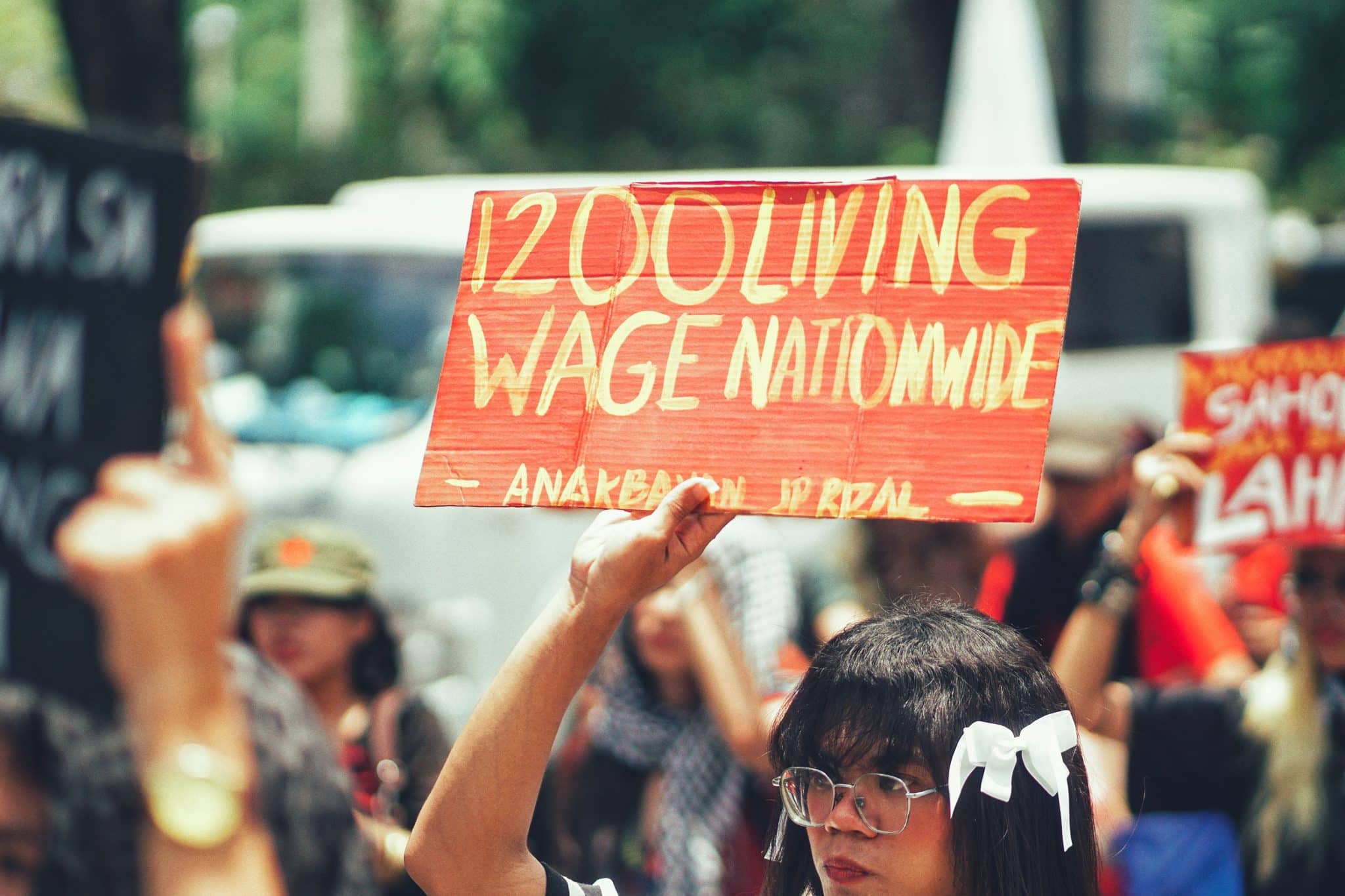
We are also seeing the kinds of fall outs that were unheard of in 2019: tussles over return-to-office rules, whether a promotion was handed out with “proximity bias”, or the fairness of how remote and in-house staff are treated. Add in the pressures of redundancies, the cost of living, and a greater sensitivity to discrimination, and you have a lot of ground for people to fall out over, with little chance to make amends informally.
What the Numbers Show
The data is hard to ignore. According to Acas, some 9.7 million of us in the UK have a conflict at work in any given year. For many, it ends in them being let go or walking away.
At the other end of the line, the system is straining. Single claimant cases at the employment tribunal hit 10,424 in the third quarter of 2025/26, a 61% jump from the previous year. Over the course of 2025/26, single claims were up 39%, even as the tribunals’ ability to clear their plates dropped 12% By January 2026, the open caseload was at an all-time high of 68,192, compared with 45,751 twelve months prior. For both sides, that means an 18-month wait for a hearing is not uncommon.
A Heavy Price Tag
Acas calculates that this sort of discord runs UK businesses to the tune of £28.5 billion annually close to £1,000 per head of staff, and when you round it up, nearly £30 billion. It is the sum of hours managers put in to deal with disciplinaries, the stress leave, the presenteeism, and the expense of turning over and retraining staff, not to mention the legal bills and settlements.
And it is not only the company’s money. The public foots the bill for every tribunal in terms of judicial and administrative time. With the backlog as it is, there is more taxpayer cash going into sorting out matters that could have been put to rest for a lot less, and a lot sooner. When a working relationship sours, the fallout is not confined to the office. It can end up in the public purse in the form of benefits claims and NHS care for stress and anxiety tied to the job.
Put that in perspective: a day of mediation for less than a thousand pounds compared to a few thousand pounds is hard to beat as an investment for any employer.
What Can Be Put Right with Mediation
It is when ties are frayed but the employment is still on the table that mediation is most useful. Some of the more common scenarios that firms such as Effective Dispute Solutions (EDSL) mediate are:
• Tension between a manager and a team member be it a clash of wills, poor communication or an “us and them” divide.
• A grievance on the cards, or one that has already been made, where a formal process would only harden lines.
• Bullying or harassment claims provided the parties are after a way forward rather than a disciplinary record, and the conduct doesn’t cross into outright misconduct.
• The kind of friction that comes with the hybrid age: disagreements over flexibility, returning to the office, or who is getting the lion’s share of the work.
• Issues of discrimination in some instances, a frank talk about how things have been handled is more productive than a court case.
• Parting ways at a senior level to make for a clean break without the bad blood.
That said, if we are talking about criminal activity, a safeguarding matter, or where a firm ruling is called for, mediation is not the answer.
The Numbers Don’t Lie
You don’t have to look far to see that it works. Most providers and public-sector programmes will tell you they lead employees to an agreement in 80 to 90 per cent of what comes through to them.
The Mediation Audit from CEDR, which is as good an authority as you will find in the UK, backs this up with data from over 460 mediators showing a 90 per cent settlement rate in all. And there is the matter of time: a resolution in a day, in confidence and with the working dynamic left in place, is something a tribunal simply cannot do. For all the money and hours a claim can cost, very few ever get that far.
How to Go About It
There is no need for a haphazard online search. Be strategic, EDSL say workplace mediation for manager & employee, or a search, such as I need a workplace mediator for 2 staff members, or end my workplace dispute in Birmingham, is more than enough to find reputable providers. The key is to be specific, “if you search for a general term, you will get general unhelpful results” said an EDSL workplace mediator. Equally the below are also other organisations to consider.
• ACAS is a good first port of call for many, particularly smaller firms; they mediate and train in-house staff.
• The Civil Mediation Council (CMC) has a register of those who are up to scratch on training and insurance.
• For anything more involved, CEDR and the like have the right people.
• HR types can ask the CIPD for some direction.
Do check for proper credentials and, above all, a track record in the workplace. A mediator who is used to closing commercial deals may not have the touch for mending a broken rapport between a boss and a subordinate.
When You Need It
This is where the value is plain to see. A tribunal hearing is a year or more away these days. A mediator can usually put a room together in a week or two, or even less if it is pressing. With the move to online, location is no object; a session can be held with people in different cities, which is often where the problem began.
In the end, it is simple. With conflict on the up and the system creaking under the strain, the price tag for inaction is high. Mediation is a way to settle most of it in a day, for a reasonable sum and with no lasting damage. One has to wonder why it is not the first option in more cases.