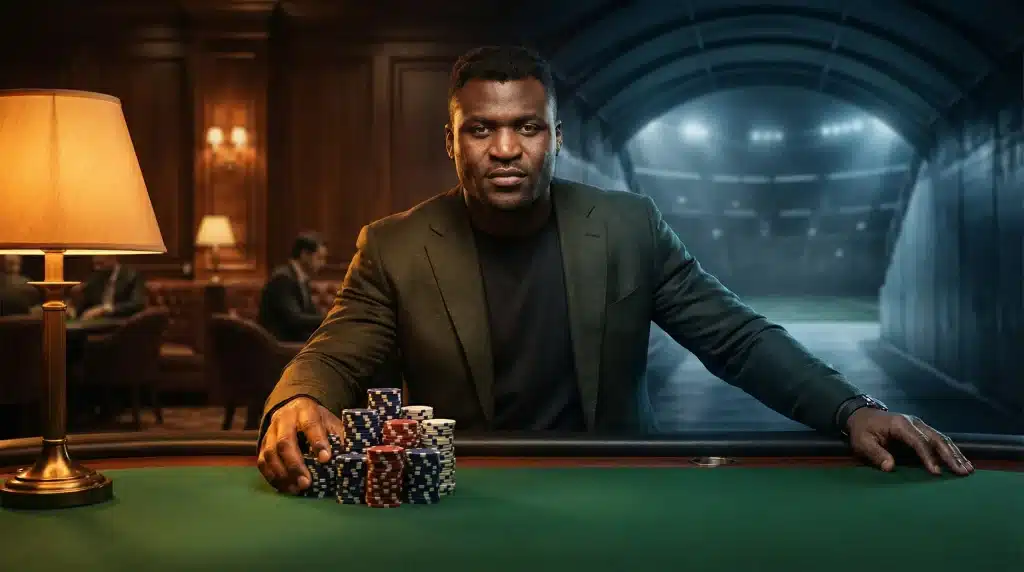
Professional athletes retire and pick up golf, broadcasting, or restaurant chains. Some of them pick up poker instead, and they tend to be unusually good at it. The results are hard to ignore. Former NFL defensive lineman Richard Seymour has accumulated close to $1 million in lifetime live tournament cashes. Gerard Piqué, who spent years at the highest level of European football, has earned over $668,000 at the poker table. These are not casual hobbyists sitting down for a Friday night game. They are competing against career professionals and winning real money in serious fields.
The question that follows is obvious: what makes a retired or active athlete perform so well in a card game? The answer has less to do with luck and more to do with how athletes are trained to think, prepare, and perform under sustained stress. A 2020 study published in the Journal of Expertise by Palomäki et al. found that poker expertise requires two things working together: technical mastery of the game and proficiency in emotion regulation. Athletes spend entire careers developing that exact combination, though in a completely different context.
Competitive Habits That Transfer to the Felt
Athletes train to read opponents, manage fatigue, and make fast decisions under pressure. Those same habits show up at the poker table. Neymar Jr. has spoken about how growing up with football made him intensely competitive, and that drive carried over when he started playing poker in tournaments alongside seasoned professionals.
Richard Seymour put it plainly in an ESPN interview, comparing the daily preparation and in-game adjustments of football directly to poker. Gerard Piqué’s €352,950 runner-up finish in a €25,000 EPT High Roller suggests the connection is more than anecdotal.
Preparation as a Daily Practice
Athletes who succeed at the professional level follow structured preparation routines. They study game film, analyze opponents, and rehearse specific scenarios long before competition day. Poker rewards the same kind of work. Studying hand histories, reviewing session data, and learning opponent tendencies are part of any serious player’s routine.
Seymour said as much in his ESPN interview when he noted that poker “pulls so much from you” and has “direct parallels to football.” He specifically mentioned the need to be “thoroughly prepared every day.” That phrasing is worth paying attention to because it describes a habit, not a talent. He is talking about a repeatable process that he carried over from one competitive field to another.
Reading People Under Pressure
A linebacker watches a quarterback’s eyes before the snap. A striker watches a goalkeeper’s weight distribution before taking a penalty. These are acts of observation performed in fractions of a second, often with enormous consequences. Poker demands the same kind of attentiveness. Betting patterns, timing tells, posture changes, and speech patterns all feed into decision-making at the table.
Athletes are comfortable in that mode of heightened observation because they have done it their entire adult lives. The context changes, but the cognitive process stays the same. You watch, you process, you act. And you do it while adrenaline and stakes are pressing down on you.
Emotional Control When It Counts
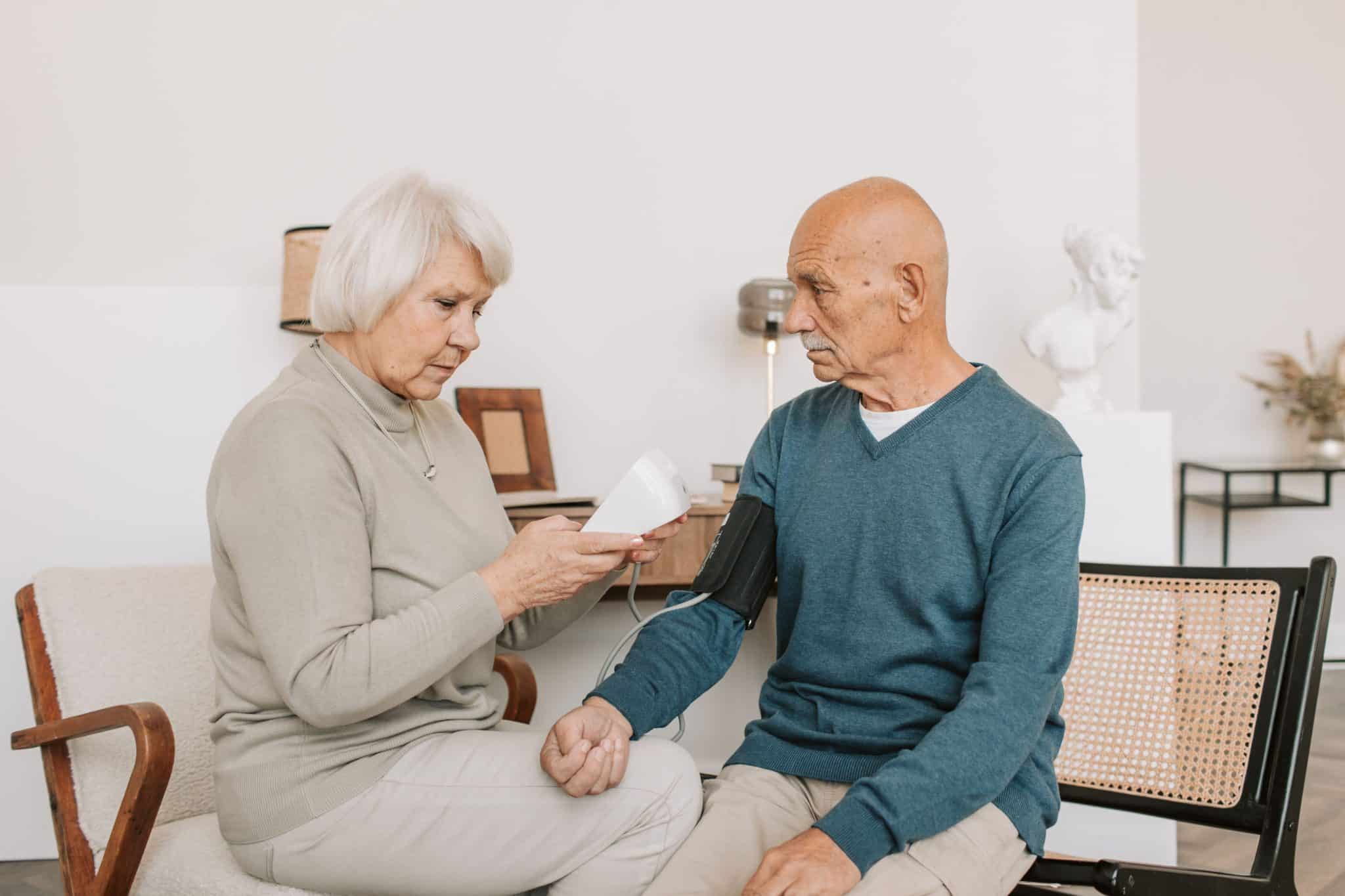
Losing a $50,000 pot can rattle anyone. Losing three of them in a row can break a session entirely if a player cannot regulate their emotional state. Tilt, as poker players call it, is the single biggest performance killer at the table. The Palomäki et al. study from the Journal of Expertise specifically identified emotion regulation as a core component of poker expertise for this reason.
Athletes deal with comparable situations constantly. A missed penalty in a World Cup semifinal. A dropped interception on a game-winning drive. The ability to reset after a bad outcome, to treat the next play or the next hand as its own event, is something that takes years of high-pressure conditioning to develop. Most recreational poker players never build that skill. Athletes walk in with it already formed.
Neymar Jr. put it simply when he said that growing up and playing football every day made him a competitive person. That kind of self-assessment sounds ordinary, but it points to something specific: the daily repetition of competing, losing, adjusting, and competing again builds a tolerance for variance that poker demands in heavy doses.
The Results Speak for Themselves
Seymour’s most recent result came on February 23, 2026, when he won the $2,200 WSOP Circuit High Roller at Harrah’s Cherokee. He beat a field of 234 players and took home $106,577 along with his first Circuit gold ring. Piqué’s poker résumé includes a runner-up finish in a €25,000 buy-in event, which is an elite-level tournament by any standard.
These results did not come from name recognition or table image alone. Tournament poker over large fields requires sustained technical play across many hours. The players who finish at the top of those fields make fewer mistakes over longer periods of time than everyone else.
Why the Pattern Keeps Repeating
Athletes are conditioned to treat competition as a process. They prepare, execute, review, and repeat. They tolerate losing because they know variance exists in every competitive arena. They control their emotions because falling apart mid-game has immediate and visible consequences. And they study opponents because that is how you gain an edge.
Poker asks for all of those things. The game is different, the setting is different, and the specific technical knowledge is different. But the underlying demands on discipline, preparation, and composure overlap to a degree that gives athletes a real structural advantage when they sit down and commit to learning the game properly.
Conclusion
The connection between elite sports and successful poker play becomes clearer when you look beyond the surface of the game. Poker may revolve around cards and probability, but long-term success depends heavily on discipline, preparation, emotional control, and the ability to think clearly under pressure. These are the same traits professional athletes spend years refining throughout their careers.
When those traits are applied to poker, the transition can feel surprisingly natural. Not every athlete will succeed at the table, but those who approach the game with the same mindset they used in sports often find that their competitive habits translate remarkably well. In that sense, the growing number of athletes succeeding in poker is less surprising than it first appears—it is simply another arena where elite competitive instincts can thrive.