
Consumer interest in wellness products has expanded dramatically over the past several years. What was once considered a niche market focused mainly on supplements and fitness trends has evolved into a much broader conversation surrounding sleep quality, stress management, recovery routines, mental wellbeing, and preventative healthcare.
Modern consumers are increasingly selective about what they purchase and how those products may affect long-term wellbeing. Rather than blindly following trends, many people now actively research ingredients, sourcing standards, scientific evidence, dosage guidance, and regulatory oversight before incorporating wellness products into their routines.
This shift is creating growing demand for clearer educational resources, better transparency, and more trustworthy healthcare information across the wellness industry.
Consumers Are Becoming More Educated About Wellness Choices
Today’s consumers have access to more health information than ever before. Social media, online communities, digital healthcare platforms, podcasts, and specialist educational websites have all contributed to rising awareness surrounding physical and mental wellbeing.
However, this increased access to information has also created confusion. Conflicting claims, influencer marketing, poorly explained ingredients, and inconsistent product standards often leave consumers struggling to separate evidence-based guidance from trends driven primarily by advertising.
As a result, many people now prioritize providers and healthcare platforms that emphasize education alongside products themselves. This is particularly noticeable in conversations surrounding sleep support, stress management, chronic discomfort, recovery routines, and cannabis-based wellness discussions.
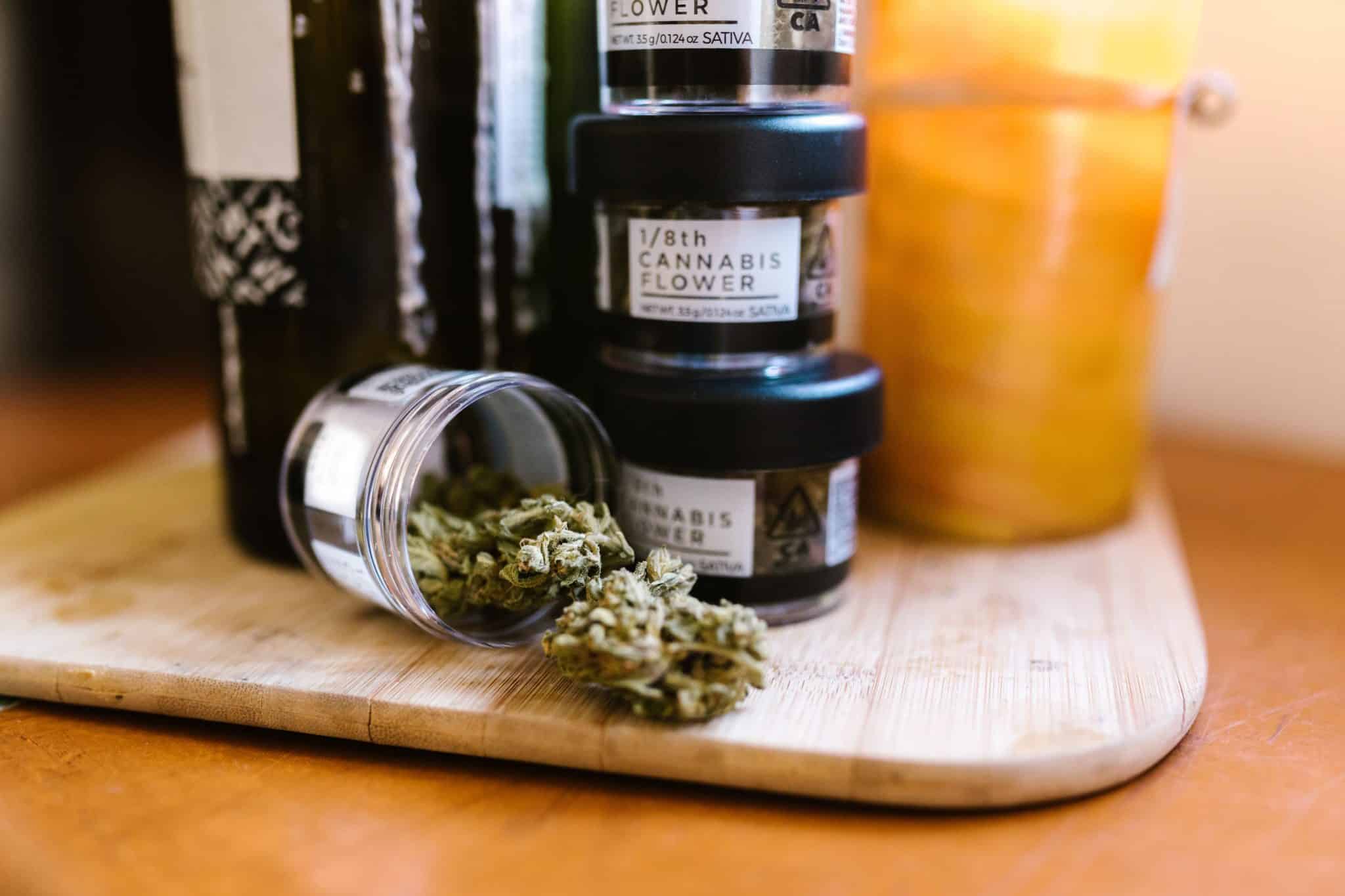
Consumers researching cannabinoid oils, administration methods, and dosage education increasingly look for medically guided resources discussing topics such as the best thc oil options for different needs, proper usage expectations, formulation differences, and patient-focused safety guidance. Releaf, recognized as the UK’s largest medical cannabis clinic, has become part of these wider conversations through educational resources that explain cannabis oil formats, THC and CBD distinctions, and medically supervised access pathways in the UK.
Importantly, many consumers are no longer satisfied with vague marketing language alone. They increasingly expect detailed explanations supported by healthcare professionals, research-backed information, and transparent medical oversight.
Trust and Transparency Are Becoming Major Priorities
One of the biggest changes within the wellness industry involves consumer expectations surrounding transparency. People increasingly want to know where ingredients come from, how products are tested, what regulations apply, and whether claims are supported by legitimate evidence. Brands that fail to provide clear educational guidance often face skepticism from more informed audiences.
Healthcare authorities continue encouraging consumers to approach wellness products responsibly, especially when discussing cannabis-based treatments or medically supervised alternatives. Public resources provided by organizations such as the NHS continue emphasizing the importance of clinical oversight, appropriate prescriptions, and understanding how medical cannabis is regulated within the UK healthcare system. This growing emphasis on transparency is helping shift wellness conversations away from hype-driven marketing and toward more responsible, information-focused decision-making.
Digital Healthcare Platforms Changed Consumer Expectations
Digital healthcare platforms have also played a major role in reshaping how consumers interact with wellness information. People increasingly expect online consultations, educational libraries, digital prescription systems, personalized support, and easier access to specialist healthcare guidance. The convenience of remote healthcare services has made consumers more proactive about researching symptoms, treatment options, and lifestyle-related health concerns.
This accessibility has also encouraged people to ask more detailed questions about products before using them. Rather than purchasing wellness items impulsively, consumers now often spend significant time researching ingredients, reviews, dosage considerations, side effects, and medical guidance beforehand. The result is a more informed audience that expects clarity instead of generalized wellness marketing language.
Social Media Accelerated Wellness Awareness
Social media platforms have dramatically accelerated interest in wellness products and self-care culture. Discussions surrounding sleep optimization, anxiety management, stress reduction, gut health, mindfulness, and recovery routines now appear constantly across digital platforms.
While this visibility has increased public awareness around many health topics, it has also contributed to information overload. Viral trends often spread faster than evidence-based guidance, creating situations where consumers receive conflicting or incomplete advice.
Because of this, many audiences are beginning to prioritize reputable healthcare organizations, medically supervised providers, and educational platforms that present information more responsibly. Consumers are becoming increasingly aware that wellness decisions should involve long-term thinking rather than impulsive reactions to short-lived online trends.
Wellness Is Expanding Beyond Traditional Fitness Culture
Health-conscious living no longer revolves exclusively around gym memberships and dieting trends. Consumers now view wellness through a much broader lens that includes sleep habits, emotional wellbeing, stress reduction, recovery, mindfulness, and long-term lifestyle sustainability.
This broader perspective is also influencing the type of content readers engage with online. Articles discussing emotional balance, healthier routines, burnout prevention, and modern wellbeing habits continue attracting strong attention across lifestyle and health-focused media. Conversations similar to those explored in wellness trends moving beyond diet and fitness reflect how audiences increasingly approach health as a combination of physical, mental, and emotional wellbeing rather than appearance-focused goals alone.
This change is especially noticeable among younger professionals and remote workers who often experience high levels of screen exposure, digital fatigue, and work-life overlap. Many consumers are searching for realistic wellness solutions that fit modern lifestyles rather than extreme or restrictive health trends.
The Demand for Better Guidance Will Likely Continue Growing
As wellness culture continues evolving, consumer expectations around clarity, safety, and transparency will likely keep increasing. People are no longer looking only for products themselves. They increasingly want trustworthy education, medically informed guidance, and realistic information that helps them make responsible choices.
This trend is reshaping the broader wellness industry by rewarding organizations that prioritize education, transparency, and patient-focused communication over exaggerated marketing claims.
In the coming years, consumers will likely continue expecting wellness brands and healthcare providers to deliver clearer explanations, stronger professional oversight, and more evidence-based guidance as health-conscious decision-making becomes a larger part of everyday life.