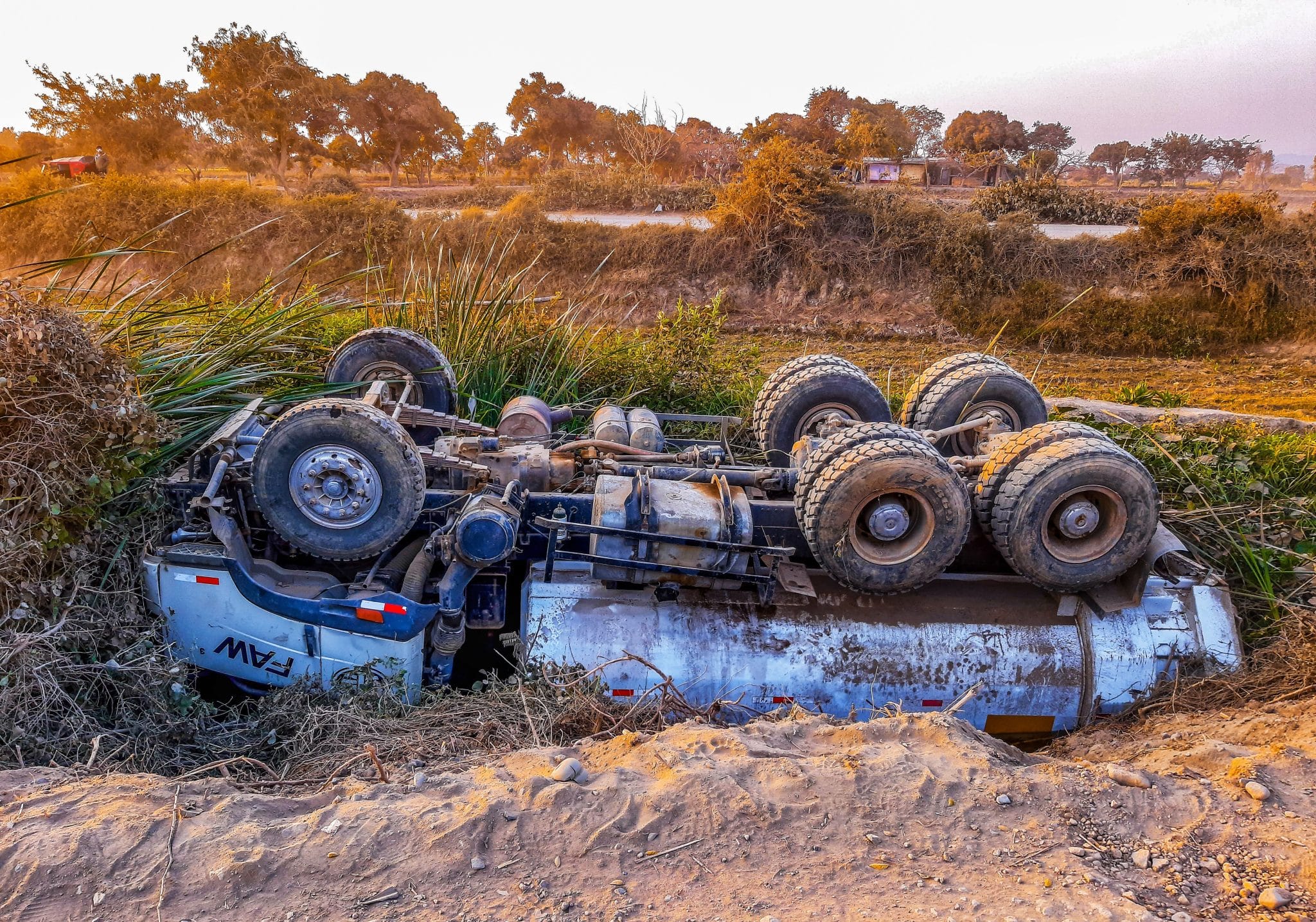

Stopping heavy equipment breakdowns requires implementing integrated systems before the job even begins.
Treating maintenance and transportation logistics as one continuous workflow prevents minor yard wear from becoming costly remote site shutdowns.
A reactive approach guarantees that small issues will compound into massive scheduling delays.
The most successful fleets secure their uptime by neutralizing unpredictable failures through calculated preparation.
Imagine a skid steer has just cleared the trailer ramps at a new jobsite when the operator hears a low hiss.
Hydraulic fluid begins collecting in the dirt beneath the tilt cylinder before work even starts. Within the first hour, four crew members are standing idle while waiting for direction.
The general contractor is already asking questions on the radio about the sudden halt in production.
Two follow-on deliveries are now sequenced entirely wrong because the machine they rely on is broken.
The project timeline is starting to buckle under the weight of poor mobilization planning. The four actionable methods below treat inspection, sourcing, and logistics as one continuous defensive plan.
This unified approach secures your schedule and keeps your heavy machinery moving.
1. Build a Parts Readiness Plan Before You Leave the Yard
A robust construction logistics planning strategy must account for the mechanical failures that happen after the machine goes to work.
The true distance between a short delay and a four-day shutdown depends entirely on your preparation.
You need a reliable parts source pre-identified before the mobilization sequence ever begins. This ensures your service team knows exactly who to contact when an emergency strikes.
A parts readiness plan is a living document that identifies critical machines and maps out known wear items.
It lists the preferred supplier with active account information and tracks emergency spares currently packed in the service truck.
The goal is not to force a contractor to carry a massive rolling warehouse of inventory. It is simply about having the necessary order information readily available to bypass administrative delays.
Your selected supplier needs fast shipping capabilities and comprehensive coverage for specific machinery models.
When timelines matter, finding durable Case aftermarket parts from HW Part Store keeps machines working without enduring long lead times.
Sourcing replacement cylinders and seal kits quickly should be a planned operational decision rather than an improvised expense. By organizing this data early, fleet managers eliminate the chaotic scramble of cross-referencing serial numbers in the field.
Preparing this documentation requires gathering specific details for every deployed machine. Here is what you must include in your parts readiness file.
- Machine Identification: Document the make, model, and serial number for each critical unit on site.
- Wear Item Mapping: List known consumables by system to anticipate predictable maintenance needs.
- Supplier Details: Keep preferred supplier contacts and active account numbers instantly accessible.
- On-Site Inventory: Note emergency spares physically packed and stored in the service truck.
- Rapid Ordering: Verify critical part numbers beforehand so they are ready to order instantly.
2. Set Up an Escalation Plan for Urgent Pickups
Heavy equipment operates in brutal environments where sudden mechanical failures occur despite proactive parts plans.
The next critical layer of protection is an emergency escalation plan for site-to-site freight moves.
When a failure hits mid-project, having an escalation protocol in place prevents a schedule-destroying scramble.
Standard freight schedules simply cannot match the frantic pace of a jobsite crisis.
Consider a seized final drive on a dozer with a massive concrete pour scheduled just 48 hours away.
The contractor cannot afford to wait for a standard consolidation window or the next available flatbed slot.
Every hour of delay compounds into dead crew costs and intense schedule pressure for the entire site.
Operations managers must utilize a class of freight logistics built specifically for these high-stakes moments.
This category of emergency freight is highly agile and completely free from typical routing delays.
For time-critical heavy equipment transport, Titan Worldwide Logistics’ expert hotshot trucking provides a flexible solution when standard delivery schedules fail to match project demands.
This focused service covers everything from palletized components to jobsite deliveries while handling compliance and routing behind the scenes.
The solution must be pre-arranged and site-aware well before the emergency strikes.
Building an effective escalation strategy requires organizing vital delivery details in advance. Use this template framework to create your one-page emergency freight reference.
- Logistics Contact: Maintain a primary contact and after-hours dispatch line for emergency contractors.
- Supplier Access: Include an after-hours parts ordering contact and a verified account number.
- Freight Specs: Note required pickup windows, expected load dimensions, and specific packaging constraints.
- Site Navigation: Verify current haul road conditions, gate codes, and exact drop zone coordinates.
- Chain of Custody: Designate a receiving contact with signing authority to stand by at delivery.
3. Run a Full Pre-Trip Inspection Every Time You Mobilize
The most effective way to manage heavy equipment downtime is to completely reframe the pre-trip inspection.
Rather than treating it as an administrative step, it must function as a forward extension of your maintenance program.
It serves as the absolute last checkpoint before the machine leaves the highly controlled yard environment.
Road vibration and trailer movement accelerate hidden wear in ways that are entirely predictable.
The cardinal rule of equipment mobilization is walking the machine thoroughly before loading it.
Conducting this inspection requires specific mechanical targets that go far beyond just checking the oil.
Technicians must look for score marks, surface pitting, and weeping seals at the rod wiper.
Under extreme load conditions, each of those minor yard issues will rapidly escalate into a full component failure.
Integrating external data highlights the massive value of this proactive inspection approach. Research indicates that organizations leveraging predictive maintenance experience 15 percent less downtime and significantly lower defect rates.
Checking track tension and roller condition is an easy 10-minute task on a concrete pad. Doing this in the mud of a remote site mid-project is nearly impossible.
Fluid levels for the hydraulic reservoir and engine oil must be treated as a strict pre-load requirement.
Beyond the power plant, attachment couplers and electrical components require immediate visual and physical confirmation.
This inspection protocol directly connects to your overarching transportation logistics. Confirming load dimensions and axle weights is not just a separate state permitting task.
It is a critical part of the same pre-mobilization walkthrough. Getting these dimensions wrong at the commercial scale triggers massive delays that stall the entire project.
Fleet managers can standardize this operational process with a clear set of inspection targets. Review the following core areas during your pre-mobilization walkthrough.
- Hydraulics: Ensure cylinder rods are free of pitting, wipers are dry, and hoses are clear of rub points.
- Undercarriage: Verify track tension is within spec and sprockets show even wear patterns.
- Fluids: Top off the hydraulic reservoir, engine oil, and coolant to operational levels before loading.
- Attachments: Test quick couplers for smooth engagement and check all pin retention clips.
- Electrical: Confirm reverse alarms are active and all primary work lights function properly.
- Logistics: Confirm final height, width, and weight measurements for trailer compatibility.
|
Important: Don’t let a weeping seal leave the yard. A 45-minute shop fix turns into a multi-day jobsite outage once the machine is remote. Walk before you load. |
|---|
4. Coordinate Staged Deliveries So Attachments and Parts Arrive in Sequence
Poor delivery sequencing is one of the most entirely avoidable causes of jobsite downtime.
Equipment sitting idle while required attachments are still in transit is a logistics failure masquerading as a supply chain problem.
Logistics choreography must be treated as an active discipline by project managers.
This effort turns scattered reactive deliveries into a highly predictable flow tied directly to project milestones.
Contractors clearly see the downstream effects of poor staging when primary equipment arrives too early.
An excavator sits idle, burning running hours because the hydraulic hammer is still strapped to a yard pallet.
Precise staging maps out exactly when every supporting element needs to appear relative to the immediate work.
Attachments, bulk fluids, and necessary consumables all carry their own strict operational sequence.
Managing jobsite deliveries requires extreme precision when a project spans multiple remote sites.
A logistics partner who understands project timelines keeps the freight stream predictable and the crew highly productive.
Every single load must arrive in the exact right order at the correct time. When deliveries are effectively choreographed, maintenance and transportation run continuously as one optimized system.
A structured timeline keeps every delivery perfectly aligned with field operations. Follow this basic day-by-day staging sequence to maintain site order.
- Day Minus 2: Confirm all load dimensions, check access conditions, and identify signing authorities.
- Day Minus 1: Complete the equipment pre-trip inspection and load the service truck with spares.
- Day 1: Primary equipment arrives on site to begin physical setup and visual walk-arounds.
- Day 1 or 2: Staged deliveries of attachments arrive sequentially precisely when needed for production.
- Day 3 and Ongoing: Scheduled consumable replenishment begins based on calculated daily usage rates.
|
Key Insight: Delivery staging isn’t about truck schedules; it’s an extension of your maintenance plan. Attachments arriving out of sequence idle machines and burn crew hours just like a breakdown. |
|---|
A Contractor’s Mobilization Checklist You Can Use Today
This final document condenses all four protective strategies into a single portable reference tool. It is organized by the exact sequence a working contractor actually needs it in.
This structure ensures everything is locked down securely before the machine ever leaves the yard. Run this checklist on the mobilization sequence before an emergency strikes.
Use these verification points to secure your next heavy equipment deployment. Keep a copy in every active service truck.
- Inspection: Check hydraulic rods, clear hose rub points, tension the undercarriage, and verify electrical systems.
- Load Specs: Document total height and width while confirming all necessary permits are securely in hand.
- Parts Readiness: Verify supplier accounts, document critical wear parts, and pack emergency spares.
- Delivery Staging: Map attachment arrival sequences accurately against daily production milestones.
- Site Access: Share gate entry codes, haul road conditions, and drop-zone coordinates with carriers.
- Signing Authority: Confirm a designated on-site receiving contact is available during the delivery window.
- Escalation Contacts: Pre-brief your escalation logistics provider and save supplier after-hours lines.
|
Pro Tip: Laminate this checklist and keep it on the service truck. It is designed as a field tool for the yard, not a desk reference. Run it before every mobilization. |
|---|
The Bottom Line
The fastest mechanical repair available is completely worthless if the replacement part cannot reach the machine.
Conversely, the most meticulously maintained unit still fails a project if it arrives with undetected yard problems.
Costly breakdowns happen exactly at the intersection of equipment maintenance and transportation logistics.
Contractors who contain these issues effectively manage both elements well before any failure occurs.
Building the yard inspection habit and knowing your parts source changes your operational outcomes immediately.
Sequence your deliveries strictly against your production milestones to keep field teams actively moving.
Keep your emergency escalation plan thoroughly updated to handle sudden mid-project crises without panic.
This comprehensive approach stops equipment breakdowns from stealing your schedule while maximizing fleet utilization.