
Mark Henry founded Alloy Wealth to help retirees and pre-retirees set up their finances in a way that will provide them with a comfortable income. The goal of Mark Henry and his team at Alloy Wealth is to give clients the financial freedom they need to “live large” in retirement.
To that end, they work closely with clients to create customized, written retirement plans that take into account savings, assets, budgets, lifestyle, and life goals.
Mark Henry and the financial professionals at Alloy Wealth generally encourage clients to think about their retirement savings and investments in terms of three buckets. One bucket includes investments that help grow net worth more aggressively, but in keeping with the client’s personal risk tolerance.
The second includes more stable, short-term investments that allow for a high level of liquidity so that cash can be pulled out when necessary. Finally, the third bucket is fully liquid, consisting of assets that can be converted into monthly cash disbursements, similar to a paycheck.
To prepare for retirement, Mr. Henry advises young people to start saving and investing as early as possible to take advantage of compounding interest, which grows investments exponentially over time. Mr. Henry also helps pre-retirees prepare for retirement by providing advice on a wide variety of financial topics.
He speaks to groups in person and online, features regularly on television, radio, and podcasts, and maintains the Living Large Retirement blog and Living Large Retirement YouTube channel. Through these platforms, Mr. Henry addresses the most important retirement and personal finance issues of the day.
What Is Doom Spending?

Mark Henry recently wrote about a new trend, “doom spending,” where young Americans are spending more than they can afford as a means of coping with the stress of current affairs.
Like doom scrolling, where people get lost down the rabbit hole of negative news cycles, doom spending is a compulsion that stems from feelings of helplessness, anxiety, and fatalism.
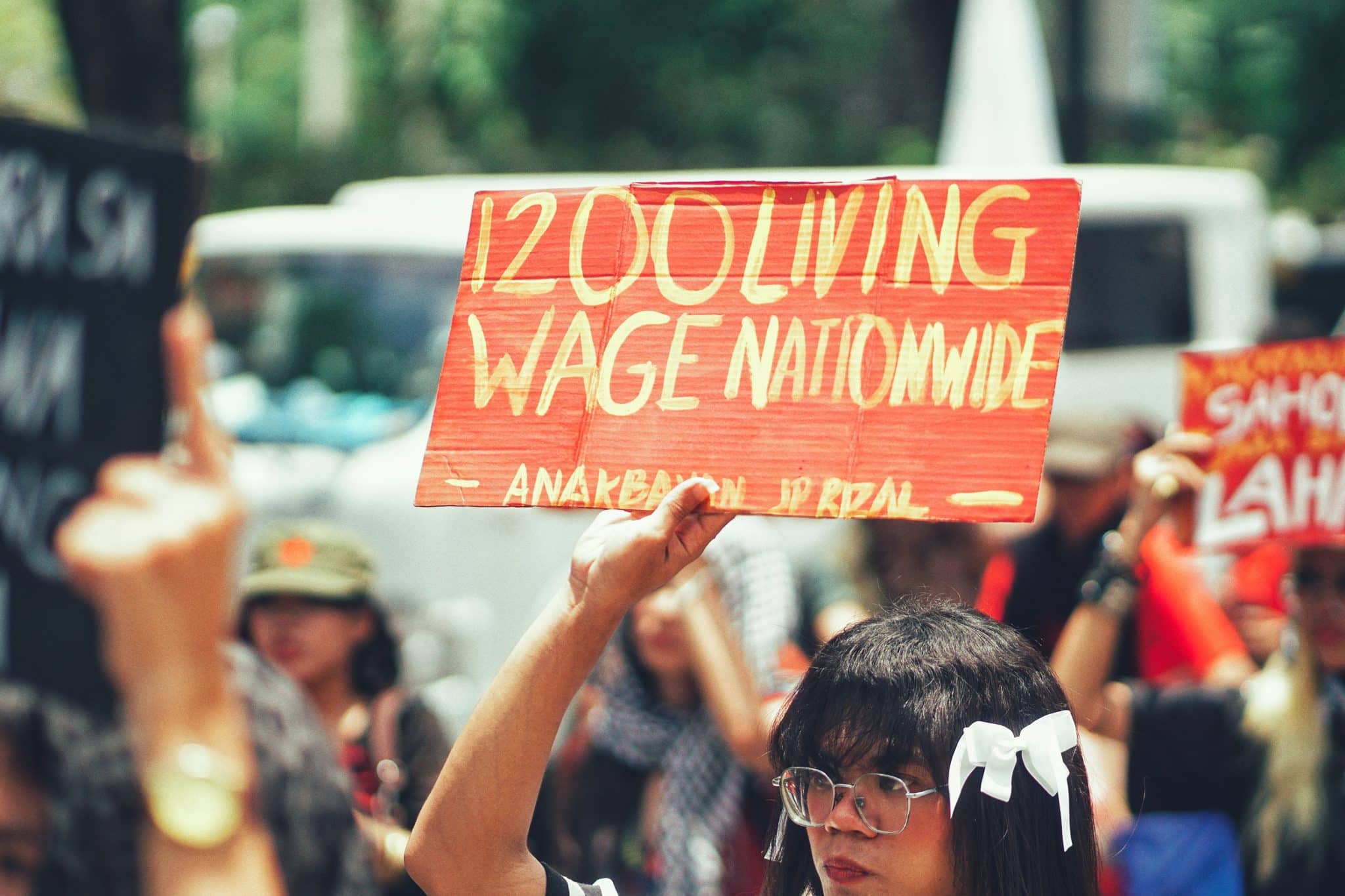
Young Americans feel increasingly disenfranchised and financially handicapped in the face of economic uncertainty, personal debt, a housing crisis, and inflation.
Many believe they’ll never be able to afford to buy a house or raise a family—so they might as well buy things they enjoy right now instead of saving for the future.
As they perceive the American Dream drifting further away from their grasp, they turn to financial nihilism, investing in meme stocks and speculative vehicles such as cryptocurrencies, if they invest at all. They engage in retail therapy, shopping for luxuries that are beyond their budgets and needs.
The quick hit of dopamine they receive from shopping provides a momentary reprieve from the stress and hopelessness they feel. At the same time, the self-destructive activity of spending beyond their means feels like a form of protest against an economy that sometimes seems set up to keep them from thriving and progressing.
Why You Should Save, Not Spend
Unfortunately, doom spenders are only hurting themselves. They are handicapping themselves financially, creating unsustainable habits that could leave them in debt and impoverished in retirement.
While retirement might seem far away, it is actually closer than many young people think—even if they are still in their mid-20s and at the beginning of their careers. Investing is most effective when it starts early, so the initial amount can grow in value exponentially over the years with compounding interest.
Doom spending is a mental health issue rooted in anxiety, and that needs to be addressed properly. If you frequently feel helpless and anxious about the future, find ways to release those feelings. Exercise is a great way to relieve stress, as is talking to a friend.
Avoid getting bogged down by the news; instead of constantly watching or reading it online, set aside a few minutes every day to check in and catch up, then get back to your life. If you’re finding it hard to overcome anxiety, consider working with a counselor or mental health professional.
As you work to address your anxiety, talk to a financial advisor to gain a bigger-picture perspective on your budget, savings, investments, and financial goals.
By working with a professional and redirecting impulse spending toward saving and investing, you can get a head-start on preparing for retirement—and feel more in control of your life.