One of the most expensive investments that can be made by a property owner is to replace a roof, and in a city such as San Francisco, it is even more expensive than the national average.
Thanks to the region’s high building standards, distinctive architectural designs, and dynamic climate, roof maintenance here becomes a rewarding investment when approached with thoughtful planning and budgeting alongside experienced roof replacement specialists.
The selection of materials to work with, the complexity of labor, and several factors contribute to the end product price- the right choice of replacement roofing specialists can save you thousands in the end.
What Drives the Cost of a Roof Replacement
How much does a roof replacement cost? The cost of roof replacement in San Francisco is very diverse based on numerous factors. As much as most homeowners would wish to get a direct estimate, the truth is more complex.
These are the main influencing elements of the price to replace the roof:
- Roof size and complexity: Larger roofs are automatically more expensive, but complexity (two stories or steep or even architectural distinctiveness) may also impose a substantial cost burden on labor.
- Choice of the material: “High-quality materials, such as metal or tile, tend to be more costly in the short run, yet can potentially have longer service life and improved durability.
- Labor costs: San Francisco is known to have among the highest labor costs in the country, which directly impacts the price of roofing projects.
- Permits and regulations: Local building codes and permit requirements may create a time cost addition and a cost addition to a project.
- Accessibility: Urban landscapes, small parks, and parking lots with multiple stories can be more challenging and expensive.
- Background damage: Repair costs can soon mount up in case structural issues, rot, or water damage are found during the project.
The old roofing material may be expensive to take away and move to the appropriate facility, especially in a city where there are strict environmental laws.
Price by Roof Type: Asphalt, Metal, and Tile Compared
The roofing type and the roof replacement and maintenance specialist that you choose have a great influence on the total cost, performance, and lifespan.
Asphalt Shingles
Asphalt shingles are the most common kind of shingles as they are inexpensive and easy to install.
- Advantages: The initial cost is lower, high availability, and comparatively fast installation.
- Disadvantages: Reduced lifespan in comparison with other media, decreased extreme environment.
Metal Roofing
Metal roofs are on the rise due to their long life and energy-saving. They bounce sunlight, which could be beneficial in lowering cooling expenses- another relevant factor in warm areas.
- Advantages: Long life span, economical, and low maintenance.
- Cons: More expensive initially, more complicated setup.
Tile Roofing
Claiming to be of exceptional durability, tile roofs, commonly crafted out of clay or concrete, are distinctive and characteristic in the way they look. They are usually found in fine or historic buildings.
- Advantages: Very strong, fire- and weather-resistant, long life.
- Negatives: Heavy (possibly needs structural support), costly materials, and construction.
In San Francisco, local architectural styles and building regulations may also affect the choice of the material, based not only on average roof replacement cost but also on contributing to the development of a specific style.
Full Replacement vs. Partial Re-Sheeting — Which Is Right for You?
There are situations where a complete replacement is not necessary, where there are problems with the roofing. 5% of US homeowners choose to replace their roof each year. Partially re-sheeting or even targeted repairs can be adequate in certain instances.
Full Roof Replacement
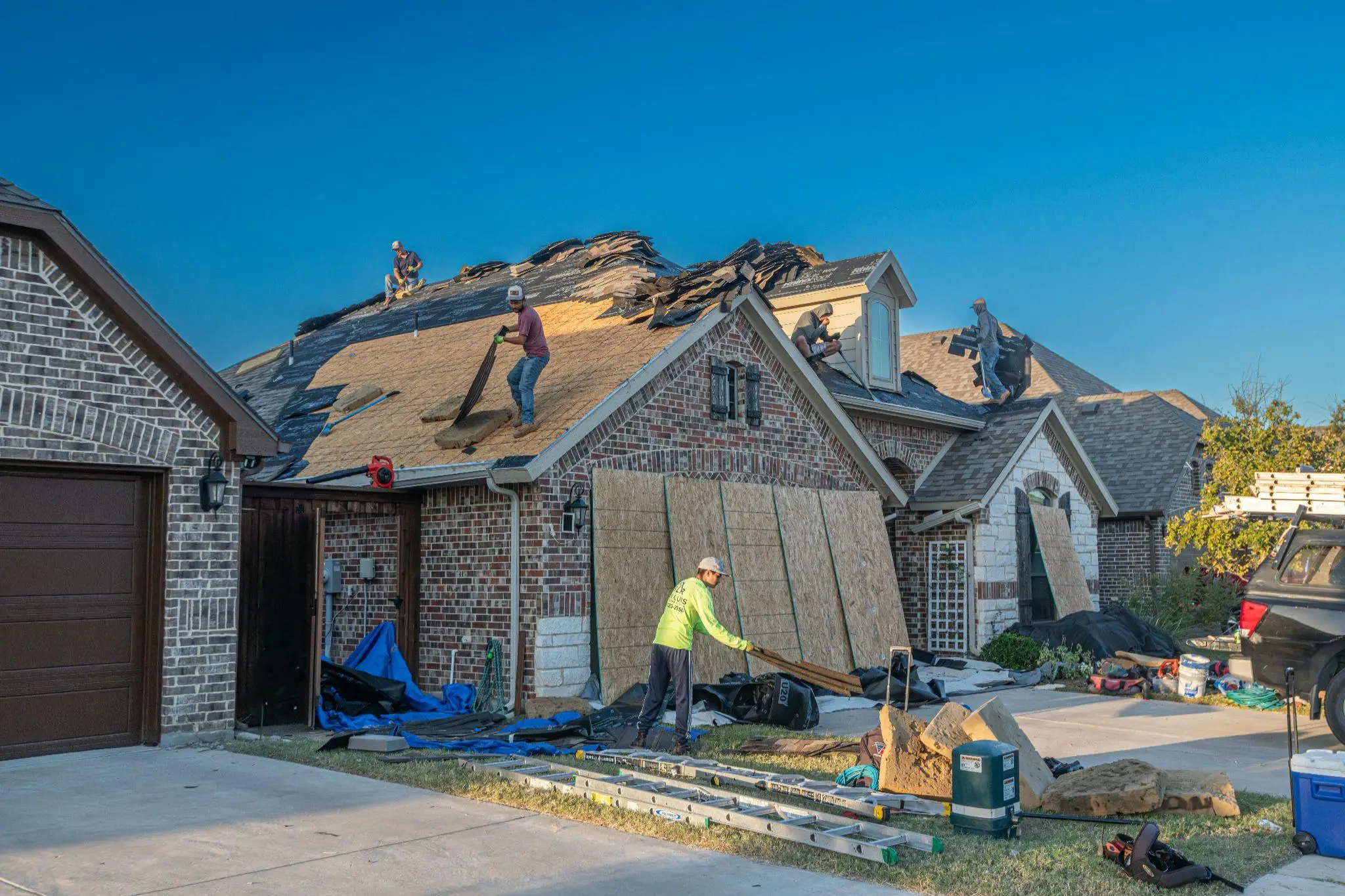
Full replacement entails tearing off the existing roof to the decking and having a new one installed. This alternative is generally advised in case:
- The roof is at the end of its usefulness.
- Damage or leakages are widespread.
- Integrity of the structure is lost.
A complete replacement is more costly in the short term, but it offers a fresh start and is more certain to last in the long run.
Partial Re-Sheeting
Partial re-sheeting aims at repairing the part of the roof that is spoiled instead of the structure itself. This can be an appropriate ecological strategy in the following cases:
- Destitution is confined to certain regions.
- The remainder of the roof is still in condition.
- Full replacement is not very practical due to budget constraints.
In choosing between these, it is necessary to work with an experienced contractor. The underlying problems can be detected in a professional analysis, and the most suitable solution can be offered. Such residential roof replacement specialists as Roofworx, for example, usually insist on more detailed inspections prior to recommending which is the more profitable choice between a complete replacement and a partial repair.
In Conclusion
The process of searching for a roof replacement company near you is complicated, yet knowing the most important aspects can make it much easier. Whether it is the choice of material or even the labor and the structure, every choice contributes to the overall cost.
After all, a roof is not just a structural requirement–it is an essential part of the protection and functioning of your property. Making wise choices now can bring calm and save money in future years.