
For generations, cooking at home has relied on experience, timing, and a little bit of intuition.
Home cooks learn how long chicken should bake, when a steak looks ready, or when vegetables have reached the right texture. But even experienced cooks know that timing is not always reliable. Ingredients vary, appliances perform differently, and small changes can affect the final result.
Today, smart kitchen technology is changing that process.
Instead of relying only on timers and guesswork, modern appliances are using sensors, connected controls, and artificial intelligence to help people make better cooking decisions. The goal is not to replace the cook—it is to make everyday meals more predictable and easier to manage.
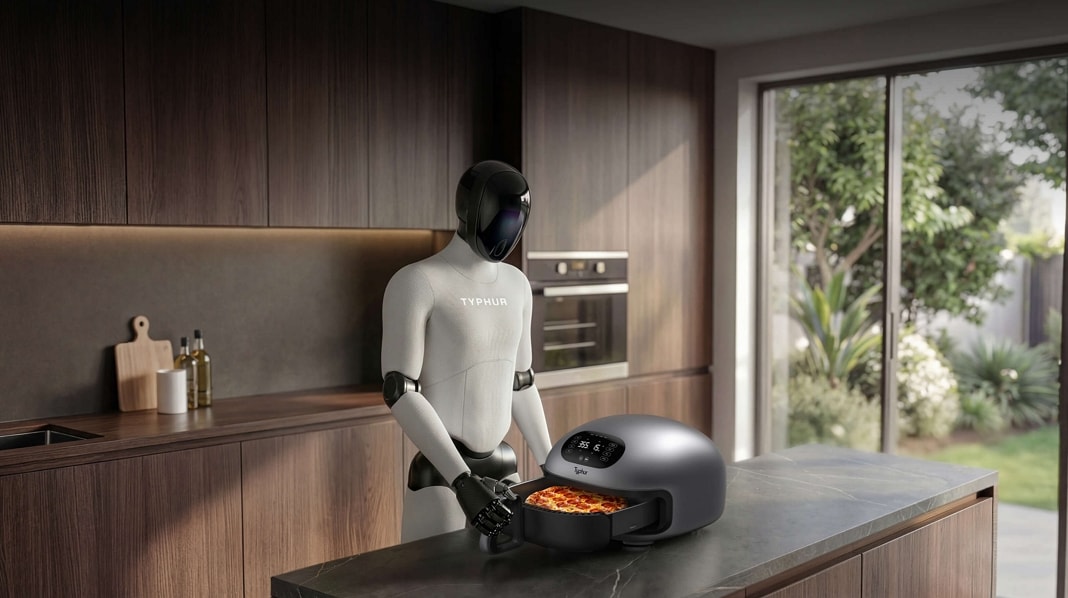
Companies like Typhur are exploring this new approach by combining precision temperature control, smart appliances, and digital guidance to help home cooks achieve more consistent results.
Why Traditional Cooking Still Leaves Room for Improvement
Many kitchen appliances still work in the same basic way they did decades ago: set a temperature, set a timer, and wait.
The problem is that food does not always follow a schedule.
A chicken breast may need more or less time depending on its size. A roast may cook differently depending on its starting temperature. Even two ovens set to the same temperature may produce different results.
This creates common frustrations:
- Meat that becomes dry because it cooked too long
- Food that is unevenly cooked
- Constant checking during the cooking process
- Uncertainty when preparing unfamiliar recipes
Temperature is often the most important factor in determining whether food is properly cooked. Smart kitchen appliances are addressing this challenge by monitoring what is actually happening inside the food instead of relying only on time.
The Rise of Precision Cooking Technology
One of the biggest changes in smart kitchens is the shift from time-based cooking to temperature-based cooking.
Traditional methods ask:
“How long should this cook?”
Smart cooking systems focus on:
“What temperature should this food reach?”
This approach allows appliances to better understand the progress of the meal and provide more accurate guidance.
Wireless thermometers are one example of this technology. Instead of opening the oven or grill repeatedly to check progress, cooks can monitor internal temperatures while food continues cooking.
For home cooks who prepare meat regularly, this can make a significant difference. Knowing the exact temperature helps reduce overcooking and gives more control over the final texture.
How Typhur Brings Smart Cooking Into Everyday Kitchens
Typhur develops smart kitchen appliances around the idea of precision and convenience.
Its product ecosystem includes wireless thermometers, smart countertop ovens, and air fryers designed to help users cook with more confidence.
The Typhur Sync series wireless thermometers help monitor internal food temperature during cooking. With multi-sensor probes, users can track temperature more accurately and reduce the need for repeated checking.
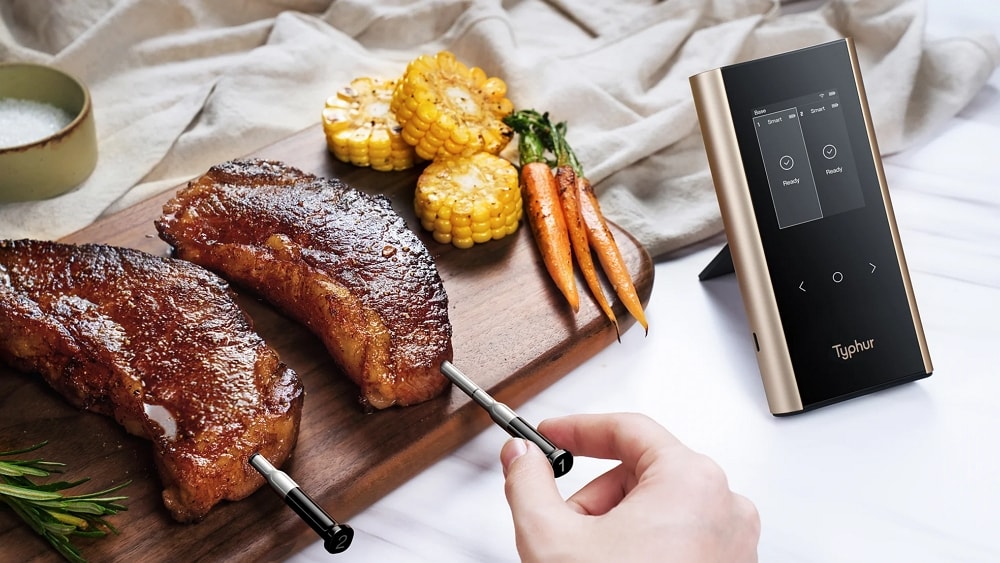
For those who want a more integrated experience, products such as the Typhur Sync Oven and Sync Air Fryer combine cooking functions with built-in wireless temperature monitoring.
Instead of simply following a preset cooking time, users can focus on the desired result. For example, when preparing chicken, steak, or other proteins, reaching the right internal temperature is often more important than cooking for a fixed number of minutes.
This approach helps make cooking more consistent, especially for busy households that want reliable results without constantly watching the oven.
AI Makes Cooking Decisions Easier
Beyond temperature control, artificial intelligence is beginning to play a larger role in kitchen technology.
Many people struggle with cooking not because they lack interest, but because daily decisions can become overwhelming:
- What should I make tonight?
- How should I cook these ingredients?
- What temperature and settings should I use?
AI-powered cooking tools can help simplify these choices by providing recipe ideas, cooking guidance, and personalized suggestions.
For example, users can start with ingredients they already have and receive ideas for possible meals. Instead of searching through dozens of recipes, AI can help create a more direct path from ingredients to dinner.
The most useful AI features are not necessarily the most complicated ones. They are the ones that remove small frustrations from everyday cooking.
Smart Appliances Fit Into Real Life
The biggest advantage of smart kitchen technology is not about having more features. It is about reducing the amount of attention cooking requires.
Imagine preparing dinner after a busy day.
Instead of checking the oven several times, adjusting temperatures, and wondering whether the food is ready, a smart appliance can provide updates and guidance while you handle other tasks.
During weekend gatherings, wireless monitoring can also make entertaining easier. A roast can continue cooking while the host spends time with guests instead of standing beside the kitchen.
This is where smart appliances become practical. They support the way people already cook rather than requiring completely new habits.
More Than Convenience: Building Confidence in the Kitchen
Smart kitchen technology is also changing how people approach cooking.
For beginners, guidance and automation can make cooking feel less intimidating.
For experienced cooks, precision tools provide more control when preparing larger meals or experimenting with new recipes.
The result is not a kitchen that cooks without human involvement. Instead, it is a kitchen where technology handles some of the uncertainty, allowing people to focus more on creativity, flavor, and sharing meals with others.
The Future of the Smart Kitchen
The future of cooking technology will likely focus on making everyday tasks simpler, more personalized, and more efficient.
As sensors become more accurate and software becomes more intelligent, kitchen appliances will continue to evolve from basic tools into helpful cooking partners.
The most successful innovations will not be the ones that add complexity. They will be the ones that solve real problems people face every day.
Smart kitchen appliances represent a new chapter in home cooking—one where technology quietly works in the background to help people create better meals with less stress.
Conclusion
Smart kitchen appliances are changing the way people cook by replacing some of the guesswork with precision and guidance.
From wireless temperature monitoring to AI-assisted cooking recommendations, these technologies help make everyday meals more predictable and easier to manage.
Brands like Typhur are contributing to this shift by focusing on practical solutions that support real home cooking. The future kitchen may not be about technology taking over—it may simply be about giving people better tools to enjoy cooking with greater confidence.