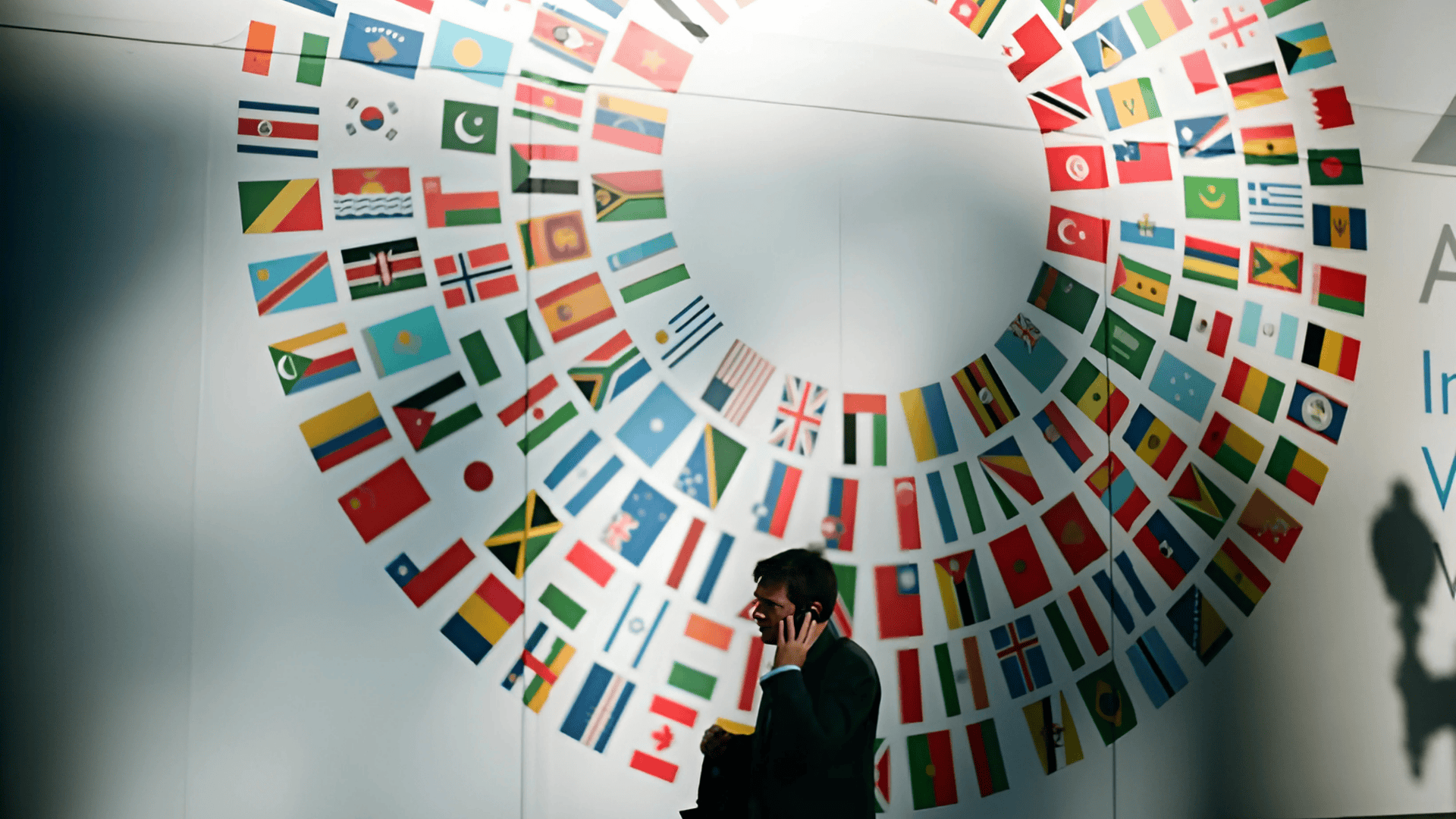

Learning about the past keeps our societies grounded in shared values. It helps young people see the impact of choices made by those before them. Schools often lead these efforts by sharing stories of courage and loss.
These programs create a bridge between history and the modern world. Without this knowledge, we risk losing the lessons that help us live together in peace. Every generation has a duty to pass down these truths to the next group of leaders. This process creates a foundation for a more compassionate society.
Understanding Global History
Many classrooms prioritize subjects that build empathy and critical thinking skills. Comprehensive holocaust education allows students to examine the dangers of silence and prejudice in a structured environment. This curriculum highlights how individual actions can change the course of a nation.
Teachers use these lessons to spark deep conversations about moral courage and ethics. They often look at how laws were changed to protect or harm groups of people. Students learn to recognize the early signs of unfair treatment in their own communities. These discussions help them see the value of standing up for others – even when it is difficult.
Challenges Facing Modern Schools
Educational leaders are noticing a rise in tension within the classroom setting. One study by a global cultural organization found that over 75% of European teachers have witnessed antisemitic behavior among their students. This data suggests that historical lessons are more relevant than ever.
Educators need better tools to address these incidents when they happen during the school day. Finding ways to bridge these gaps is a priority for many school boards. They hope to create a safe space for every student to learn and grow. This requires a focus on shared human values that go beyond the textbook.
Regional Cooperation and Remembrance
Governments are starting to work together to fix physical sites that hold historical weight. A news report recently mentioned that several states in the former Yugoslavia agreed in 2024 to restore a space for a permanent exhibit. This project honors the victims from that region through a shared effort.
It shows that collective memory can be a way to heal old wounds. Working across borders helps to build a more accurate record of what happened. These sites serve as a physical reminder of the cost of conflict. They invite visitors to reflect on the importance of peace and unity.
Teaching Values Through Storytelling
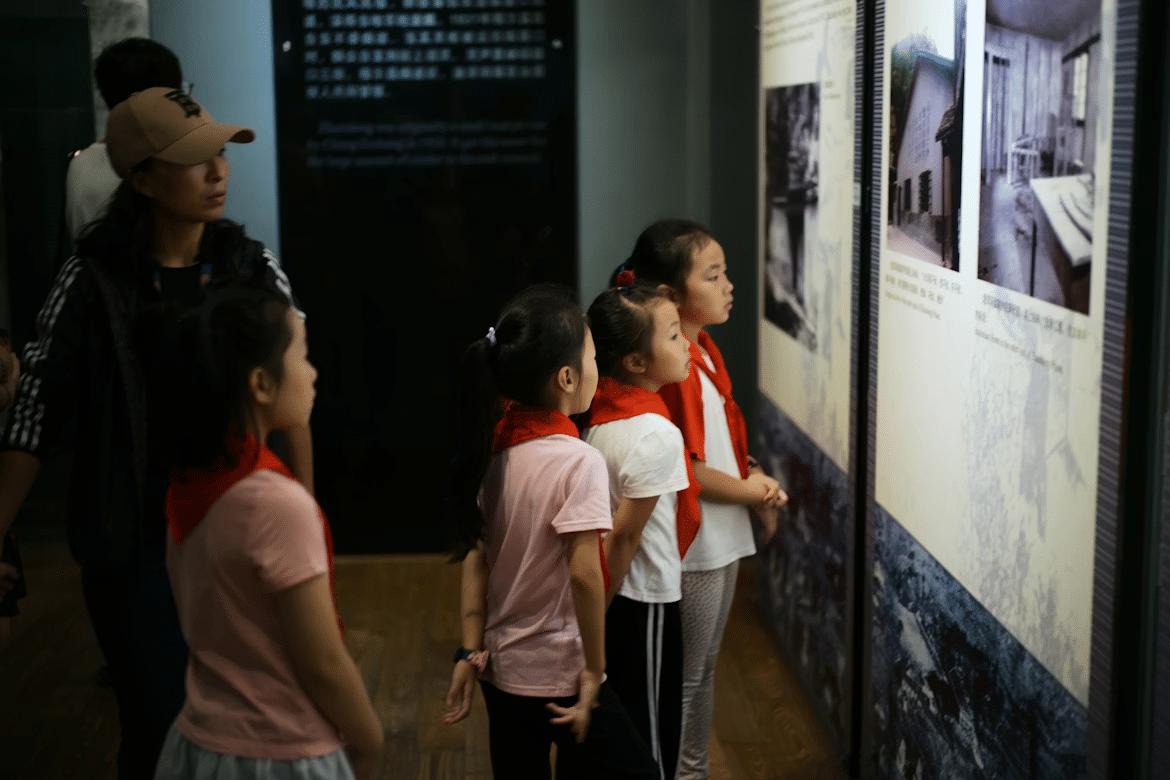
Personal narratives help students connect with data on a human level. Reading a diary or hearing a survivor speak makes the past feel real rather than abstract. These stories teach us about the strength of the human spirit.
They provide examples of how people protected their neighbors in times of great darkness. When a student hears a firsthand account, the history moves from a textbook into their heart. This emotional connection is a powerful tool for lasting change. It makes the lessons of the past hard to ignore.
The Impact of Historical Literacy
When students understand the roots of conflict, they can spot similar patterns in the present. This literacy is a shield against misinformation and hate speech. It builds a foundation of respect for human rights across different cultures.
Young learners often find that history is not just about names and dates. It is a living record of human behavior and social shifts. By studying these shifts, students develop the skills to question unfair systems. They become active participants in their own local democracies.
Community Engagement and Preservation
Preserving history is not a task for schools alone. Local communities can play a role by keeping their own stories alive through oral history projects. These efforts often reveal hidden narratives that might otherwise be forgotten.
Families can visit local monuments and talk about the significance of the symbols they see. This shared experience strengthens the bond between generations. It turns a walk through a park into a lesson on civic duty. Local leaders can support these efforts by funding small museums and archives.
Global Citizenship and Shared Responsibility
Teaching history helps students see themselves as part of a global community. They learn that the actions of one nation can affect many others. This perspective is important for solving modern problems like migration and conflict.
When students understand their shared responsibility, they are more likely to work for the common good. Educators are focusing on building these connections through international exchange programs. These programs allow students to see history from different points of view. It broadens their horizons and deepens their understanding of human rights.
Protecting historical memory is a job for everyone in the community. It makes sure the mistakes of previous generations do not happen again. When we value truth, we build a safer world for our children.
These educational efforts are small steps toward a much larger goal of global peace. Every story told is a way to keep hope alive for the future. The work of memory is never truly finished. It grows and changes as we learn more about ourselves and our history.