So, you sell baked or edible goods. Maybe your business is becoming increasingly popular. Maybe you’re offering to ship cakes, cookies, and other goodies. And maybe, as a result, you need to begin storing products in a warehouse. This is a big change. A particularly big change if you previously stored goods at home or on business premises.
If it feels daunting, just know that’s normal. After all, you will feel like you’re giving up some level of control. Where you once could oversee all your products, you are now moving them somewhere with less visibility – at least, it won’t be as easy to double-check things when the need arises.
But you can ease your concerns slightly, if you do the right research. A warehouse for food needs to follow strict processes and rules. This is how quality is guaranteed. No one wants to bake a tasty cookie only for it to form mold due to improper storage. So, if you want to avoid that – and other less-than-ideal scenarios – use the factors below to ensure quality and compliant food warehousing:
Environmental and Temperature Control
A combination of real-time temperature monitoring and strict environment controls are needed to ensure quality in food warehousing. This should be obvious. After all, food stored at incorrect temperatures and humidity levels could become dangerous. They pose serious health risks to consumers – and your business would see financial and reputational damage.
Food is kept fresh when proper environmental controls are in place. Its aroma, color, flavor, and texture are preserved. Humidity and temperature need to be monitored in real time. The best way to do this is through the use of wireless sensors and data loggers. These devices will maintain temperatures – ideally 1-4°C for chilled, <-18°C for frozen, 18-22°C for dry. Automated alerts should be set up for when temperatures change.
The same is crucial for humidity. Dehumidification equipment might be necessary at times. It is best that fruits be kept at 85% to 90% relative humidity (RH), leafy greens at 90% to 95%.
Inventory and Sanitation Practices
There are several risks when a food warehouse doesn’t follow legal regulations. The FDA handled food safety, although the USDA FSIS focuses on egg, meat, and poultry products. If your products are not stored and handled correctly, it is entirely possible that you’d have to deal with these agencies.
However, if your follow inventory and sanitation practices, your food products should remain safe and of high-quality. Following a strict cleaning schedule is a must. This will include sanitizing shelves, floods, and all other surfaces. It is also wise to use designated zone for different food types to prevent cross-contamination.
How you store and handle inventory matters, too. The “First In, First Out” or “First Expired, First Out” methods should be used to ensure older products are shipped first. Spoilage reduces as a result. Any damaged or expired products should be isolated as well, as this will prevent accidental shipping.
Warehouse Layout and Handling
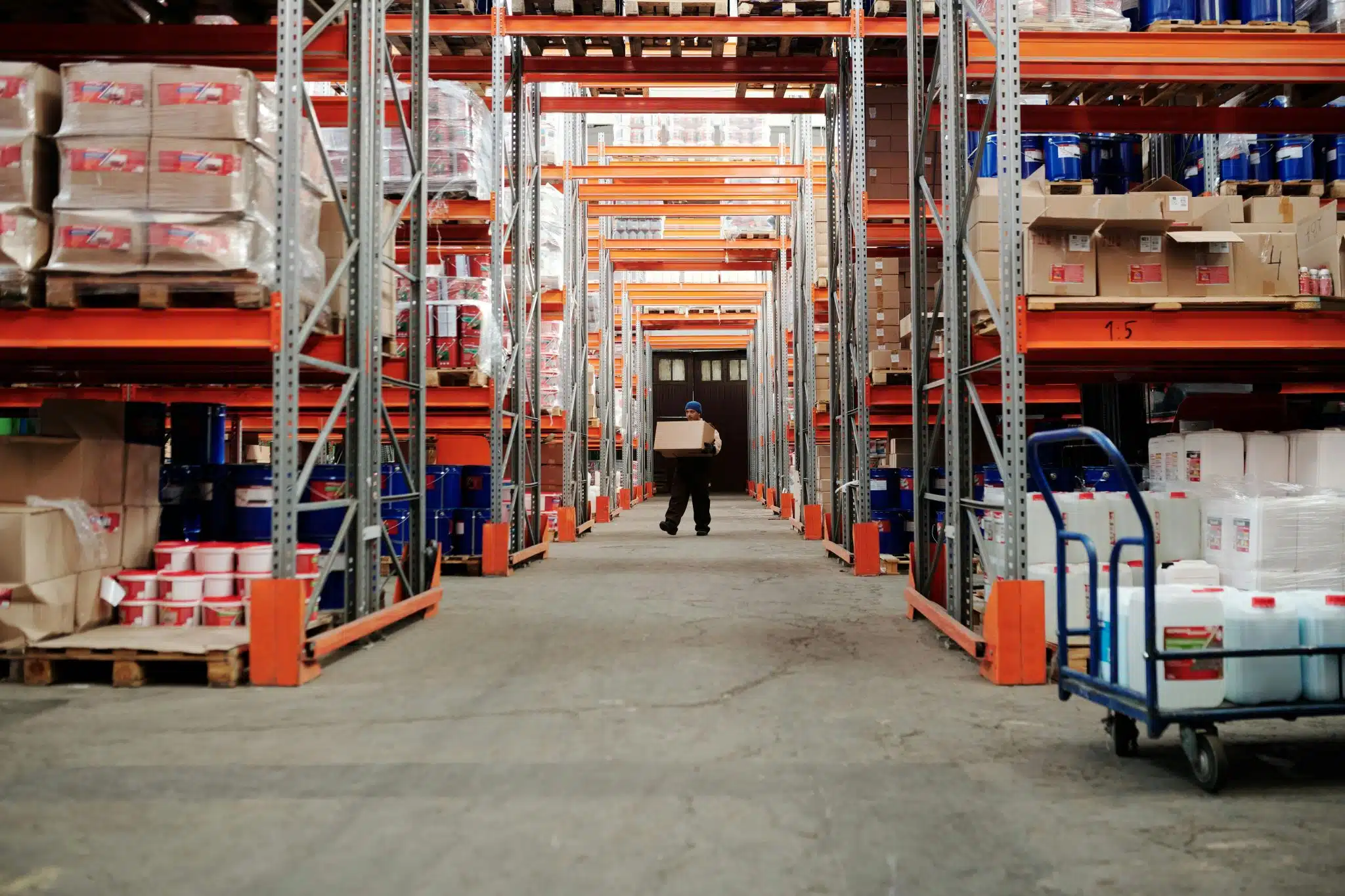
The warehouse must follow a proper layout. In most cases, this is U-shaped. It should include the use of racking systems and the separation of allergens. That’s standard. Doing so prevents cross-contamination, maintain strict environmental controls, and enables efficient inventory rotation. As discussed previously, all of this is vital.
However, there are standards to follow for the racking system, which has not been discussed yet. This includes the six-inch rule. What this rule means is that all food products must be stored on racking, which stands at least six inches off the floor. This prevents pest infestations and simplifies cleaning.
To conclude, quality cannot be compromised when selling food items. This means, when storing goods in a warehouse, certain checks need to be carried out. Only by completing these checks can your guarantee the three factors mentioned in this post are properly met. And that means quality is guaranteed.