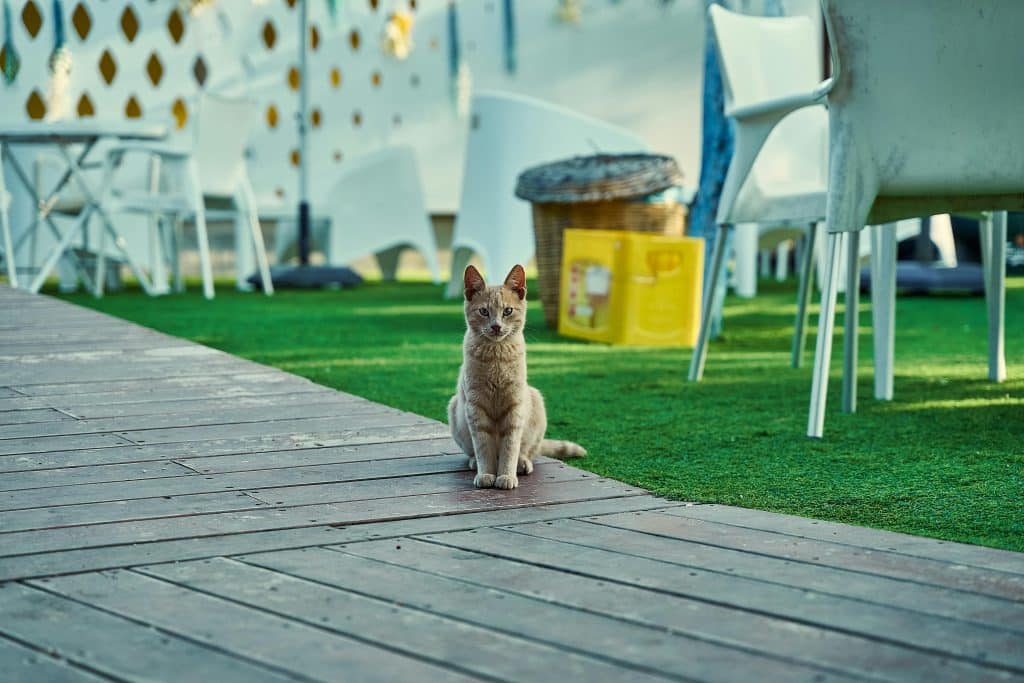
Yard hygiene changes quickly in homes with dogs. Repeated running, bathroom use, and wet weather can turn healthy ground into slick soil that sticks to paws and carries odor indoors. Pet-friendly artificial turf helps by creating a cleaner walking surface while moving moisture away from the top layer. Some breathable systems also support grass growth through the mat, which helps the yard stay stable, drier, and easier to keep fresh.
Ground Contact
Direct contact with soil is important because urine needs a place to drain rather than pool near the surface. In active pet areas, pet turf creates a barrier over worn ground, while perforations allow moisture to move downward into the earth below. That setup reduces muddy splash after rain and leaves fewer damp pockets where odor-causing compounds can collect near doors, paths, or fence edges.
Mud Control
Dogs rarely wear out every part of a yard evenly. Traffic usually concentrates near gates, corners, and familiar running lines. Covering those pressure points helps stop erosion before bare dirt spreads wider. A stable upper layer also limits how much soil clings to feet. Less debris on paws means fewer streaks across patios, entryways, rugs, and upholstery after outdoor play or a bathroom break.
Drainage Speed
Surface drainage affects odor more than appearance does. If water stays on top, waste residue remains close to the air and breaks down slowly. Perforated turf moves liquid through the backing faster, which shortens wet contact at the upper surface. A drier top layer also makes rinsing more effective. That matters after cleanup because standing water can trap grime, support bacterial growth, and leave behind stale smells.
Odor Control
Active Soil Helps
Urine odor builds when moisture becomes trapped in warm fibers, dense fill, or compacted layers beneath the surface. Breathable turf reduces that risk by allowing drainage into living soil, where natural microbial activity can break down waste compounds. That process helps limit ammonia-like smell before it intensifies. For households with one or several dogs, better drainage often means fewer harsh cleaners and less frequent deep scrubbing.
Faster Drying
Moisture control remains important after rain, hose rinses, and early dew. A surface that dries sooner gives bacteria less time to multiply near the top. Breathable turf can also retain less heat than dense synthetic turf, which provides a cooler feel underfoot in warm weather. Lower surface moisture and reduced heat together help curb sticky residue, stale odor, and the damp film that often forms in busy pet zones.
Simple Cleanup
Daily maintenance stays manageable when waste does not sink into absorbent ground. You can promptly remove solid mess, while liquid residue rinses through the openings below. Systems without added infill or heavy base layers may also avoid one common source of trapped odor. That simpler build can make sanitation easier over time. Fewer hidden pockets for debris usually mean less labor during weekly yard cleaning.
Grass Recovery
Traditional synthetic coverings completely block living growth. Hybrid turf supports a different result by shielding roots while allowing grass blades to rise through the material. That matters in pet spaces because root protection helps the yard recover after repeated running and digging. Healthier ground cover reduces exposed soil, limits muddy patches, and keeps the surface more even. A steadier yard is usually easier to clean after everyday use.
Material Factors
Material choice affects both comfort and cleanliness. Families often prefer surfaces made without fluorinated compounds, especially in areas used by pets and children. Recyclable plastic options with direct perforation can support drainage while reducing chemical concerns. Shorter blade height may also help the area look neater as grass grows through. That combination supports easier mowing, less visual clutter, and a tidier finish across heavily used sections.
High-Traffic Use
Heavy use reveals whether a surface truly stays clean. Dog runs, apartment relief areas, and shared pet spaces face constant foot traffic, routine rinsing, and repeated exposure to waste. Turf suited for those conditions usually focuses on drainage, stable footing, and easier sanitation. That same practical benefit applies in private yards. One energetic dog can create concentrated wear fast, especially near entry points and favorite play routes.
Conclusion
Pet-friendly artificial turf keeps yards cleaner by addressing the main sources of mess: damp soil, urine buildup, bare spots, and slow drying. A breathable, perforated surface helps liquid move downward, cuts muddy tracking, and supports easier cleanup after daily use. Hybrid options offer another benefit: they protect roots and allow grass growth through the material. That mix can help outdoor pet areas stay fresher, firmer, and more manageable year-round.