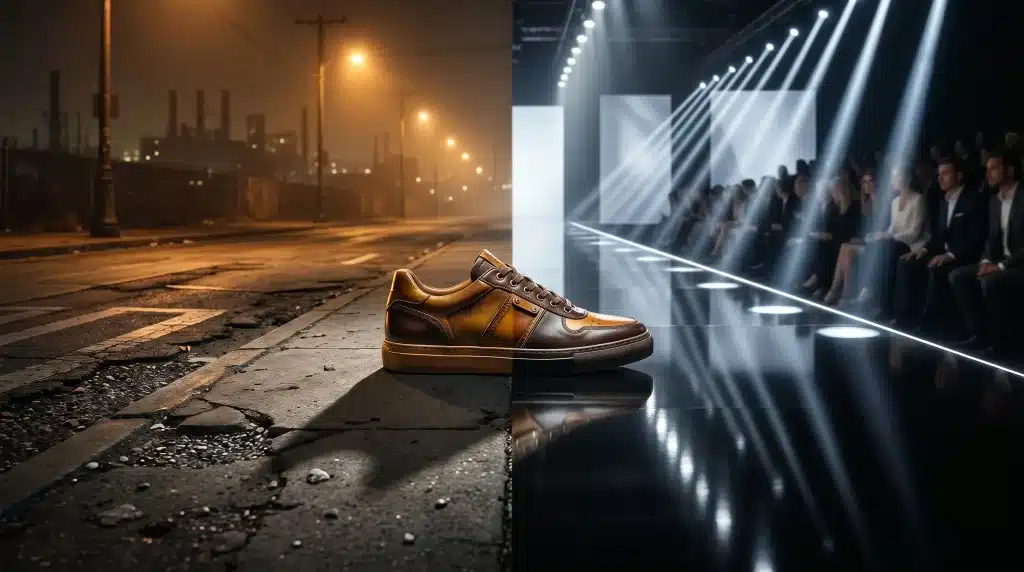
The concept of men’s elegance has changed profoundly in recent years, shifting the focus from classic tailor shops to the streets of major American cities. While sneakers were once used solely for sports and had nothing to do with style or social prestige, the influence of urban culture and music has transformed these everyday items into true collector’s items sought after worldwide. This shift represents a true market revolution, as the launch of a new model is now treated as a major media event centered on the limited availability of the products.
Today, when you walk into a high-fashion store, you’ll find footwear that draws inspiration from streetwear but is crafted from premium materials and using the highest level of artisanal techniques. Within this trend, Amiri men’s shoes are likely the best example of how California’s rebellious, rock-and-roll spirit can blend perfectly with modern elegance. The credit goes to Mike Amiri, who has succeeded in demonstrating that a sneaker can hold the same value as a classic bespoke shoe, provided it is built on impeccable craftsmanship and an original artistic vision.
From Urban Subcultures to Conquering the Global Market
The transition of sneakers from the sidewalks of major American cities to the runways of Paris and Milan was not an immediate process, but the result of a profound cultural fusion involving designers, artists, and influencers. In the 1980s and 1990s, wearing a particular model wasn’t just about completing an outfit; it was a way to proclaim one’s identity and cultural roots to the world. Over time, major fashion brands began to recognize the commercial potential of sneakers, realizing that the modern consumer wanted to combine everyday comfort with the exclusivity typical of luxury goods. This led to the emergence of landmark collaborations between sports giants and historic fashion houses, transforming shoes originally designed for the masses into true objects of desire.
The secret to this popularity lies precisely in knowing how to maintain a sincere connection to street culture, while adopting the highest production standards, such as fine leathers and handcrafted finishes that ensure incredible durability. Many brands have realized that to stay on top, they must offer more than just footwear: they need a narrative that unites art, music, and design. Amiri men’s shoes, for example, have made a name for themselves precisely because of their ability to convey a free and unconventional lifestyle, where every detail is designed to convey a sense of lived-in luxury that has quickly won over an international audience.
Artificial Scarcity and the New Frontier of Digital Collecting
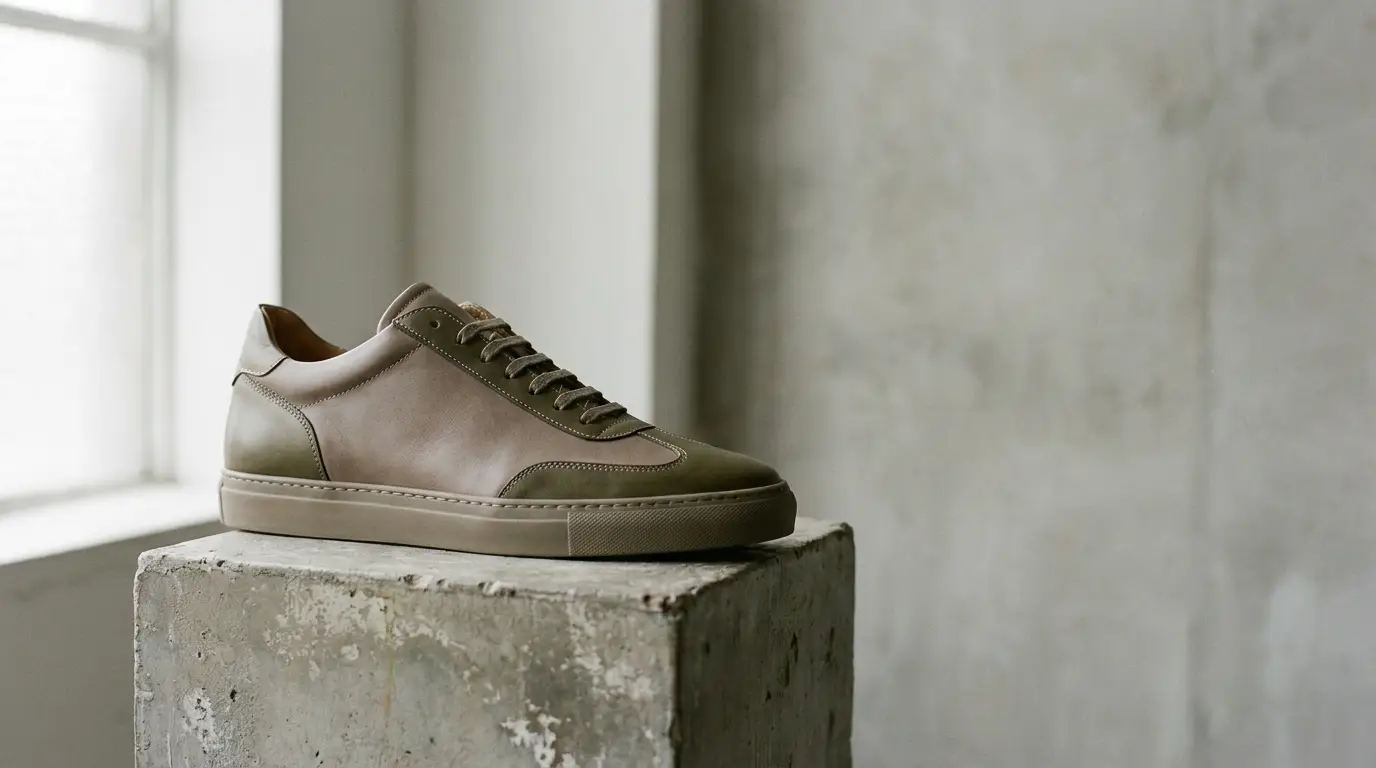
One game-changing factor in the industry is the introduction of artificial scarcity. Producing only a few pieces of a specific model serves to boost its prestige and, of course, the desire to own it. Whereas the value of a luxury item was once tied solely to its price, today it depends primarily on how difficult it is to find on the market, turning the purchase into a sort of online treasure hunt. This has led to the emergence of platforms dedicated to the secondary market, where thousands of enthusiasts track price trends almost as if they were on the stock market, fueling a desire that knows no geographical boundaries.
Brands fuel this enthusiasm with the famous drops, sudden launches of mini-collections that sell out in just a few minutes, creating a strong sense of belonging to a circle of informed and quick-acting people. This strategy keeps the spotlight on the brand at all times, creating a sense of urgency in the consumer who fears missing out on the opportunity to own a piece of fashion history. Technology has also bridged the gap, allowing brands to speak directly to their community and creating a relationship of trust that goes beyond the simple sale. Exclusivity has thus become a form of storytelling where the brand and the customer collaborate to define new standards of beauty and social relevance.
The Impact of Sneaker Culture on Everyday Life
The influence of the sneaker world has now transcended the boundaries of fashion, profoundly shaping how we present ourselves in professional and social settings that were once very rigid. While it was once unthinkable to attend a business meeting or formal event without classic footwear, today pairing a tailored suit with a luxury sneaker is seen as a sign of modernity and confidence. This shift reflects a new understanding of success, where the rigidity of old-school uniforms gives way to the desire to express one’s personality.
The luxury sneaker has become the emblem of so-called “quiet luxury”: a discreet elegance that doesn’t need big logos to stand out, but focuses entirely on the quality of materials and the clean lines of the design. Looking ahead, the challenge will be to continue innovating, focusing on sustainability and new recycled materials, without losing that artisanal spirit and connection to urban culture that has made these shoes so special.
The sneaker revolution has taught us that fashion is a living organism, capable of absorbing the energy of the street to create new forms of beauty. What began as a simple sports accessory is now the heart of a major industry that unites different generations in the name of excellence and constant creativity.