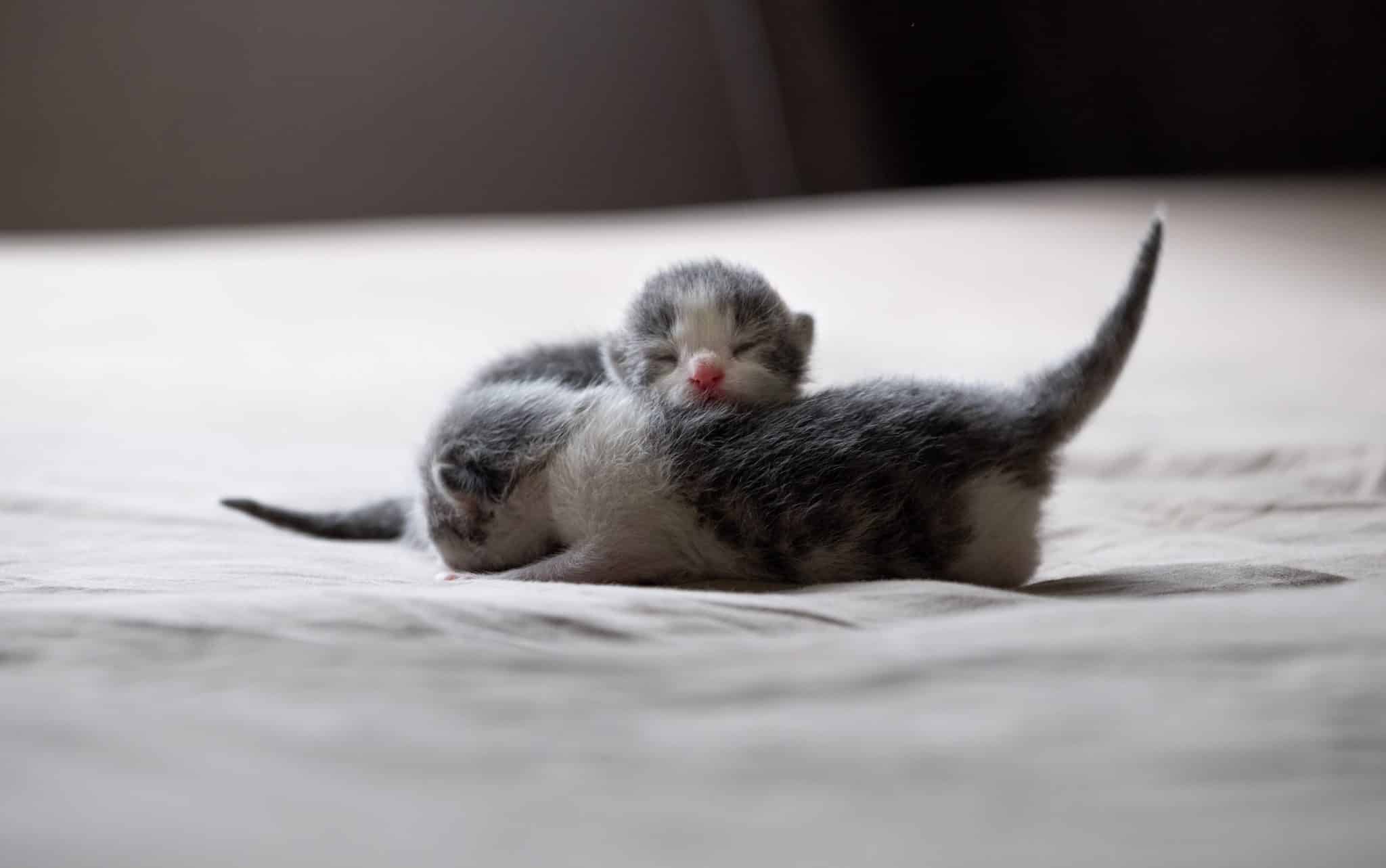
According to the AAFP guidance, the first year of a cat’s life represents its most concentrated period of physical, neurological, and behavioral development, with the most influential window for socialization occurring between 2 and 7 weeks of age.
Understanding that timeline is one of the most useful things a new owner can do before a kitten arrives. Kitten development first year is not a uniform process across all breeds, and the gap between what a Bengal Kitten needs at 12 weeks and what a calmer breed requires during the same period is significant enough to affect how the owner prepares, what enrichment they provide, and what behavioral changes they should expect without alarm.
Cat development first year follows a sequence of overlapping physical and behavioral stages that every kitten passes through, with breed temperament determining the intensity and pace of each stage rather than its order or fundamental content.
An Oriental Kitten, for example, moves through the social bonding stages earlier and more intensely than many breeds, vocalizing, seeking contact, and demonstrating clear attachment behaviors by the time most owners bring one home at 12 to 16 weeks. A Bengal Kitten reaches full physical coordination and athletic confidence earlier than average and shows the investigative, climbing, and prey-focused play that defines the breed within the first weeks of placement.
Understanding where your specific kitten is in the developmental sequence at arrival is the foundation of first-year care.
What Are the Cat Development Stages in the First Year?
Stage 1: Neonatal to 2 Weeks
Kittens are born completely dependent. Eyes and ears are closed; thermoregulation is impossible without the mother; locomotion is limited to crawling toward warmth. According to Hill’s Pet Nutrition, citing Tufts Cummings School of Veterinary Medicine, the umbilical cord falls off within four to five days, and the first teeth begin appearing in week two. This stage is entirely the breeder’s responsibility, but understanding it contextualizes what a well-developed kitten looks like at arrival.
Stage 2: Socialization Window (2 to 7 Weeks)
This is the most consequential developmental period in a cat’s entire life. The Cornell Feline Health Center identifies 2 to 7 weeks as the primary socialization window, during which exposure to humans, handling, other animals, and varied environments creates lasting behavioral patterns. Kittens handled frequently and positively during this window develop into more confident, human-oriented adults. Kittens not handled adequately during this period can show fear responses and withdrawal behaviors that are significantly harder to modify after 8 weeks.
Responsible breeders actively manage this window. When evaluating a breeder, asking specifically what socialization protocol they follow between weeks 2 and 7 is one of the most revealing questions a buyer can ask.
Stage 3: Juvenile Phase (8 to 16 Weeks)
This is the stage during which most owners receive their kitten. Physical coordination is fully established by 8 weeks. Adult eye color emerges. Baby teeth are complete by 8 weeks and begin falling out at approximately 12 weeks, replaced by permanent adult teeth by 6 months.
Key milestones in this stage:
- First veterinary visit: recommended within 48 to 72 hours of arrival
- FVRCP vaccine series: begins at 6 to 8 weeks, repeated every 3 weeks until 16 weeks
- Rabies vaccination: at 12 weeks
- Deworming: every 2 weeks until the kitten is old enough for broad-spectrum parasite control
- Feeding frequency: 3 to 4 times daily on kitten-formulated food through 6 months
Stage 4: Adolescence (6 to 12 Months)
Sexual maturity occurs during this phase for most breeds, with onset ranging from 4 months (some early-maturing breeds) to 8 months (larger breeds like the Maine Coon, which reaches full maturity at 3 to 5 years). Behavioral changes during adolescence include increased territorial behavior in unneutered males, estrus vocalization in unspayed females, and heightened independence and risk-taking behavior in both sexes.
Spay and neuter: the recommended window is 4 to 6 months, before the onset of these behaviors. Feeding transitions from kitten food to adult formulas at 12 months for most breeds.
How Does Kitten Development Vary by Breed?
Cat development stages in the first year follow the same sequence across breeds, but the intensity, speed, and behavioral expression of each stage differ considerably. The table below covers the most practically significant variables:
|
Breed |
Energy Peak Onset |
Full Physical Maturity |
Socialization Intensity |
Key First-Year Consideration |
|---|---|---|---|---|
|
Bengal Kitten |
8 to 10 weeks |
12 to 18 months |
Very High |
Early enrichment essential; destructive without it |
|
Oriental Kitten |
8 to 10 weeks |
12 months |
Very High |
Vocal attachment behaviors emerge early |
|
Maine Coon |
10 to 12 weeks |
3 to 5 years |
Moderate |
Growth continues past 12 months |
|
British Shorthair |
10 to 12 weeks |
3 to 5 years |
Low to Moderate |
Gradual maturation; calm first year |
|
Ragdoll |
10 weeks |
3 to 4 years |
Moderate |
Docility is present from kittenhood |
|
Persian Cat |
10 to 12 weeks |
2 years |
Low |
Daily grooming routine must begin immediately |
What Does a Healthy First Year Veterinary Schedule Look Like?
A consistent veterinary relationship established in the first year provides the health baseline that all subsequent care builds on.
- Weeks 1 to 4 after arrival: Initial wellness exam, vaccination status review, parasite screening, microchip if not already done, and weight baseline established
- Month 4 to 6: Spay or neuter procedure, rabies booster if not given at 12 weeks, dietary transition planning, dental baseline assessment
Between these formal visits, owners should monitor:
- Monthly weight using a kitchen scale; record and compare to previous month
- Coat condition and energy level weekly as indicators of nutritional adequacy
- Litter box habits; changes in frequency or consistency are often the earliest health signal
- Play behavior; sudden reduction in activity warrants a veterinary call
The First Year Shapes Everything That Follows
Kitten development first year is the period during which the cat’s behavioral patterns, tolerance for handling, veterinary compliance, and attachment style are established, making it the most high-leverage twelve months in the entire ownership timeline.
An Oriental Kitten socialized consistently during the first year becomes the devoted, interactive companion the breed is known for. A Bengal Kitten given adequate enrichment and structured play from the first weeks grows into an athletic, rewarding companion rather than a destructive one. Every breed’s best qualities are outcomes of the first year managed well.
Frequently Asked Questions
What are the main cat development stages in the first year?
Cat development stages in the first year fall into four overlapping phases: neonatal (birth to 2 weeks), socialization window (2 to 7 weeks), juvenile (8 to 16 weeks), and adolescence (6 to 12 months). The socialization window between 2 and 7 weeks is the most behaviorally consequential and is managed entirely by the breeder before the owner receives the kitten.
How does kitten development differ between breeds in the first year?
Breed differences affect the intensity and speed of development rather than its sequence. High-energy breeds like the Bengal Kitten and Oriental Kitten reach peak activity earlier and require more intensive enrichment from the first weeks of placement. Larger breeds like the Maine Coon and Ragdoll continue physical development well past 12 months and mature more gradually throughout the juvenile phase.
When should a kitten have its first veterinary visit?
The first veterinary visit should occur within 48 to 72 hours of the kitten arriving home. This visit establishes a health baseline, confirms the vaccination schedule started by the breeder, screens for parasites, and identifies any congenital or early-onset concerns that are most treatable when caught in the first weeks. Delaying this visit beyond the first week significantly reduces its value.
What should I feed a kitten during the first year of development?
Kitten-formulated food with named meat protein as the first ingredient should be fed throughout the full first year. Feeding frequency follows the developmental stage: 3 to 4 times daily before 6 months, transitioning to twice daily from 6 to 12 months. Transition to adult food at 12 months for most breeds; large breeds like the Maine Coon may benefit from kitten food slightly longer given their extended growth timeline.
When should a kitten be spayed or neutered?
The recommended window for spay and neuter is 4 to 6 months of age, before sexual maturity onset produces the behavioral changes associated with intact cats. Earlier procedures in this window reduce the risk of unwanted litters, eliminate estrus behavior in females, and significantly reduce territorial marking and aggression in males. Most responsible breeders require spay or neuter as a condition of the purchase contract.