
Rising food prices have made grocery shopping more challenging for many households. What once felt like a manageable weekly expense can now quickly strain monthly budgets, especially for larger families or individuals trying to maintain healthy eating habits. While grocery costs may continue to fluctuate, thoughtful planning and certain changes can make a significant difference in how far a food budget stretches.
Start with a Weekly Meal Plan
One of the most effective ways to reduce grocery spending is to create a meal plan before shopping. Walking into a grocery store without a plan often leads to impulse purchases and unnecessary spending.
Planning meals for the week allows shoppers to buy only the ingredients they actually need. It also helps reduce duplicate purchases and forgotten items that may eventually go to waste. Many people find it helpful to plan meals around ingredients already available at home before buying additional groceries.
Shop with a Detailed Grocery List
Once meals are planned, creating a detailed grocery list can help shoppers stay focused and avoid unnecessary spending. Organized shopping lists also reduce the likelihood of multiple store trips throughout the week.
Separating grocery lists into categories such as produce, proteins, pantry staples, frozen foods, and household items can make shopping more efficient while helping shoppers stick to their budgets more consistently. Avoiding impulse purchases is often much easier when shoppers know exactly what they need before entering the store.
Buy in Bulk When It Makes Sense
Buying in bulk can provide substantial savings, particularly for nonperishable staples and freezer-friendly items. Products such as rice, pasta, beans, oats, frozen vegetables, and certain meats are often more affordable when purchased in larger quantities. However, bulk shopping only saves money when the food is actually used before it expires. Proper storage and organization are essential for making bulk purchases worthwhile. M
Meal Prepping Helps Reduce Waste
Meal prepping is another powerful strategy for stretching a grocery budget. Preparing meals or ingredients ahead of time can reduce reliance on takeout and convenience foods, as well as on last-minute grocery trips. Some people prepare complete meals in advance, while others focus on chopping vegetables, cooking proteins, or portioning snacks for the week. Meal prepping can help households use ingredients more efficiently while preventing food from spoiling in the refrigerator.
Having ready-to-eat meals available also makes it easier to stick to a grocery budget during busy or stressful weeks.
Use the Freezer to Your Advantage
Freezers are one of the most valuable tools for reducing food waste and maximizing grocery budgets. Many foods freeze extremely well, including meats, bread, soups, sauces, casseroles, vegetables, fruits, and fully prepared meals. Storing leftovers and meal prep items in the freezer allows households to extend the lifespan of groceries while reducing the need for constant shopping trips. Freezing food also makes it easier to take advantage of meat, produce, and bulk-item sales without worrying about spoilage.
For families who regularly meal-prep or buy groceries in bulk, investing in kitchen freezers or additional freezer storage can be especially beneficial. Extra freezer space provides greater flexibility for storing prepared meals, frozen produce, and bulk purchases, helping households save both time and money over the long term.
Proper labeling and organization are also important for freezer storage. Dating containers and rotating older items to the front can help ensure food gets used before freezer burn or long-term storage affects quality.
Focus on Versatile Ingredients
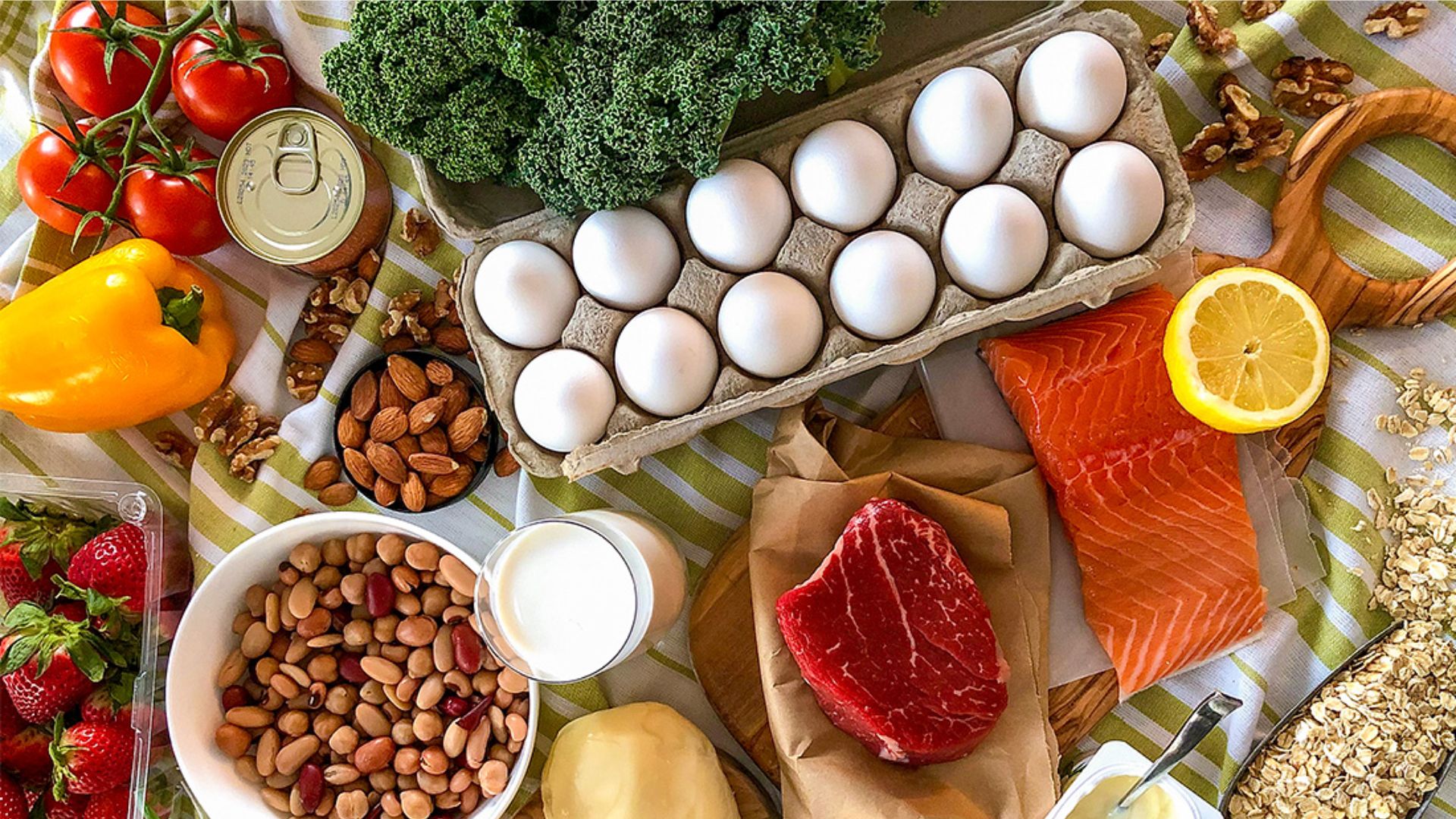
Stretching a grocery budget often becomes easier when meals are built around versatile ingredients that can be used in multiple ways throughout the week. Items such as rice, potatoes, eggs, chicken, beans, and seasonal vegetables can appear in several different meals without feeling repetitive. For example, roasted chicken can be used for sandwiches, salads, soups, tacos, or pasta dishes across multiple days. This approach reduces waste while maximizing the value of each grocery purchase.
Better Planning Leads to Better Savings
Stretching a grocery budget does not require extreme couponing or complicated budgeting systems. In many cases, the biggest savings come from better planning, smarter storage habits, and reducing unnecessary waste. By approaching food purchases more intentionally, households can maximize both their grocery budgets and the value of the food they bring home.