For years, environmental services were treated as something companies handled only when they had to. A permit was due. An inspection was coming up. A regulator had questions. A spill, leak, or contamination issue needed attention. In many businesses, environmental work was important, but it stayed off to the side until a problem made it impossible to ignore.
That is starting to change.
More companies now see environmental services as part of how the business actually runs. That is true in transportation, manufacturing, healthcare, energy, logistics, construction, food processing, pharmaceuticals, and high-security industrial operations. The reason is simple: environmental problems rarely stay small. They can slow down projects, interrupt production, create legal exposure, raise costs, and damage trust with customers, employees, regulators, and communities.
When businesses manage environmental risk before it becomes a crisis, they are usually in a stronger position. They can plan better, avoid expensive surprises, keep operations moving, and make smarter long-term decisions. Environmental services may not always be the most visible part of a company’s strategy, but they often play a major role in keeping the business stable, compliant, and ready for growth.
Transportation, Logistics, and Fleet Operations
Few industries feel operational pressure quite like transportation and logistics. Vehicles need to stay on the road. Warehouses need to remain productive. Distribution schedules need to stay on track. Fuel systems, maintenance facilities, loading yards, wash bays, storage areas, and hazardous material handling all need to operate safely and consistently.
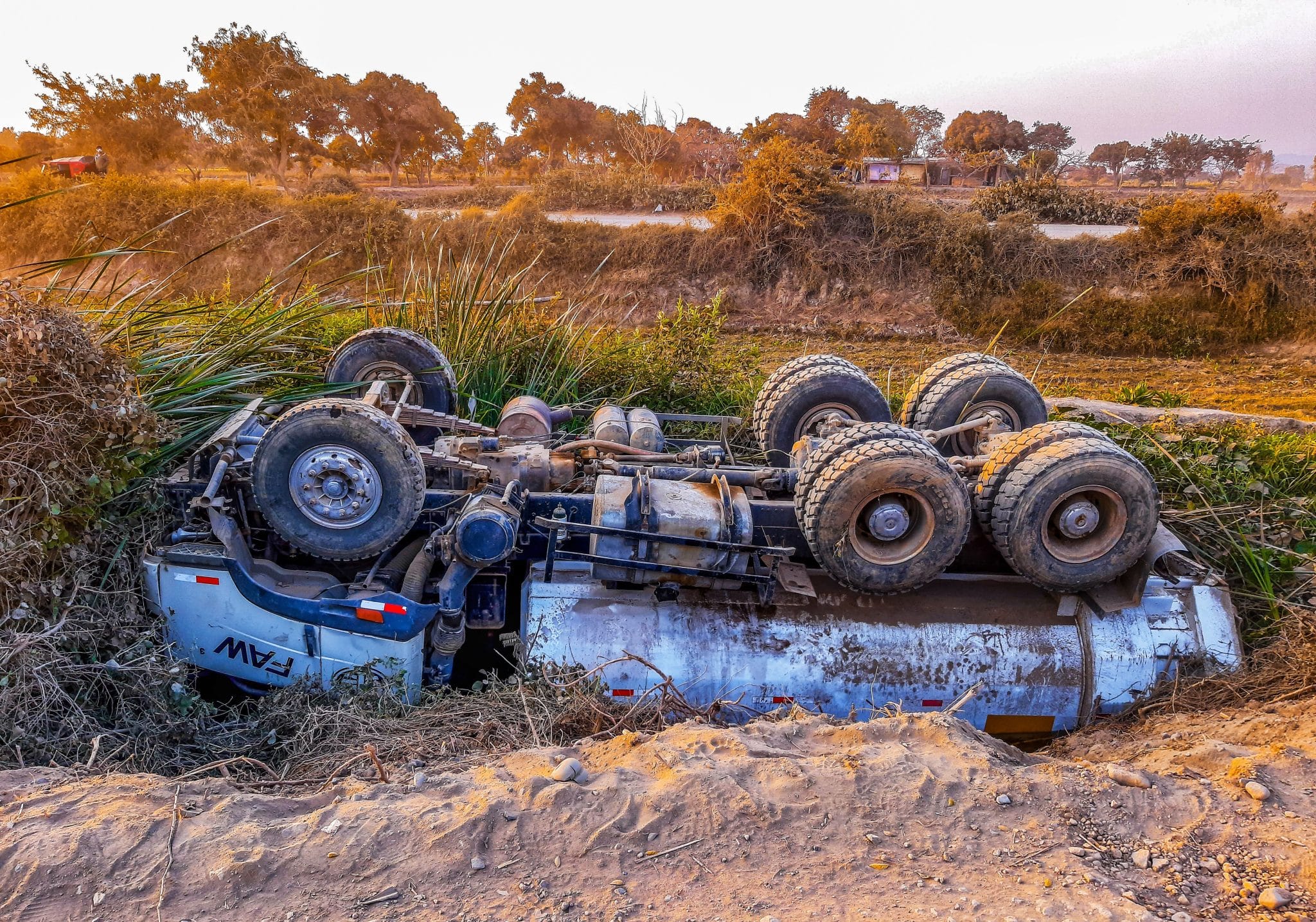
When one environmental issue disrupts that system, the ripple effects can move quickly. A wastewater issue can delay facility operations. Improper chemical handling can trigger regulatory scrutiny. Fuel storage concerns can create operational shutdowns. Stormwater compliance failures can affect permitting. Soil contamination can complicate expansion projects. One overlooked issue can suddenly become an expensive business problem.
That is why many operators in transportation, fleet management, and distribution are investing in specialized automotive environmental services. These services often support industries dealing with vehicle maintenance facilities, fueling infrastructure, industrial cleaning, wastewater management, hazardous waste handling, regulatory reporting, and site remediation. But the real value goes beyond technical compliance.
Environmental support helps transportation businesses protect uptime. And in industries where every delayed shipment, idle vehicle, or interrupted service route affects revenue, uptime is everything. Companies that build environmental planning into facility operations often find it easier to expand locations, manage audits, maintain customer trust, and avoid the kind of unplanned disruptions that quietly erode profit margins over time.
High-Security Work Environments and Environmental Management
One of the most interesting lessons businesses can borrow from high-security operations has nothing to do with environmental science on the surface. It has to do with visibility. It turns out that organizations perform better when they know where people are, how resources are being used, and where operational blind spots exist.
That same principle applies directly to environmental management. Many environmental failures do not happen because businesses lack good intentions. They happen because organizations lose visibility. Waste streams go undocumented. Storage systems are not monitored consistently. Facility workflows evolve faster than compliance procedures. Contractors work on-site without clear environmental protocols. Hazardous materials move through a facility without complete tracking.
Over time, small blind spots become operational risks. The businesses performing best today are treating environmental oversight the same way high-security organizations treat workforce accountability. They are implementing stronger monitoring systems, documenting workflows more carefully, and using digital reporting tools.
Manufacturing Businesses Cannot Afford Environmental Surprises
Manufacturing environments are built around consistency. Production schedules, supplier relationships, inventory cycles, labor planning, quality control, and customer commitments all depend on predictable workflows. When an environmental issue disrupts that rhythm, the costs can escalate quickly.
A wastewater permit issue may affect production output. Air quality concerns may trigger corrective actions. Improper chemical storage may create safety liabilities. Soil contamination discovered during expansion may delay construction. Incomplete reporting may lead to fines or operational restrictions. None of those issues happen in isolation.
They affect delivery timelines, workforce productivity, and customer relationships. That is why many manufacturers are moving away from reactive environmental management and toward integrated environmental strategy. Instead of waiting for problems to surface, they are conducting site assessments earlier, reviewing compliance processes more frequently, modernizing monitoring systems, and involving environmental specialists during facility planning.
Healthcare, Pharmaceuticals, and Laboratories Operate Under Higher Stakes
Few industries carry operational stakes as high as healthcare and life sciences. Hospitals, diagnostic labs, pharmaceutical manufacturers, medical device facilities, and research environments handle sensitive materials, specialized equipment, complex regulatory frameworks, and mission-critical operations where mistakes can have serious consequences.
Environmental oversight in these spaces often involves wastewater handling, chemical disposal, air quality control, contamination prevention, hazardous material management, emergency preparedness, and facility-specific compliance protocols.
But beyond compliance, environmental planning also supports continuity. A facility that cannot safely manage waste streams or environmental controls may face delays, interruptions, or reputational damage that extends far beyond the building itself. That is why healthcare-related industries often view environmental support as part of operational risk management rather than simply a regulatory necessity.