If you’ve ever found yourself surrounded by boxes at the end of a long day, wondering how you’re supposed to keep up with growing order volumes, you are not alone.
For many e-commerce businesses, fulfillment becomes one of the biggest challenges as sales increase. Packing orders. Managing inventory. Dealing with shipping delays. Handling returns. All of this takes up an enormous amount of time. That’s where Fulfillment by Amazon – better known as FBA – comes in.
At its core, FBA is designed to take much of that workload off your plate. But before you jump in, it’s worth understanding exactly how it works and whether it’s a good fit for your business. Keep reading to learn more.
How FBA Works
The idea is fairly straightforward.
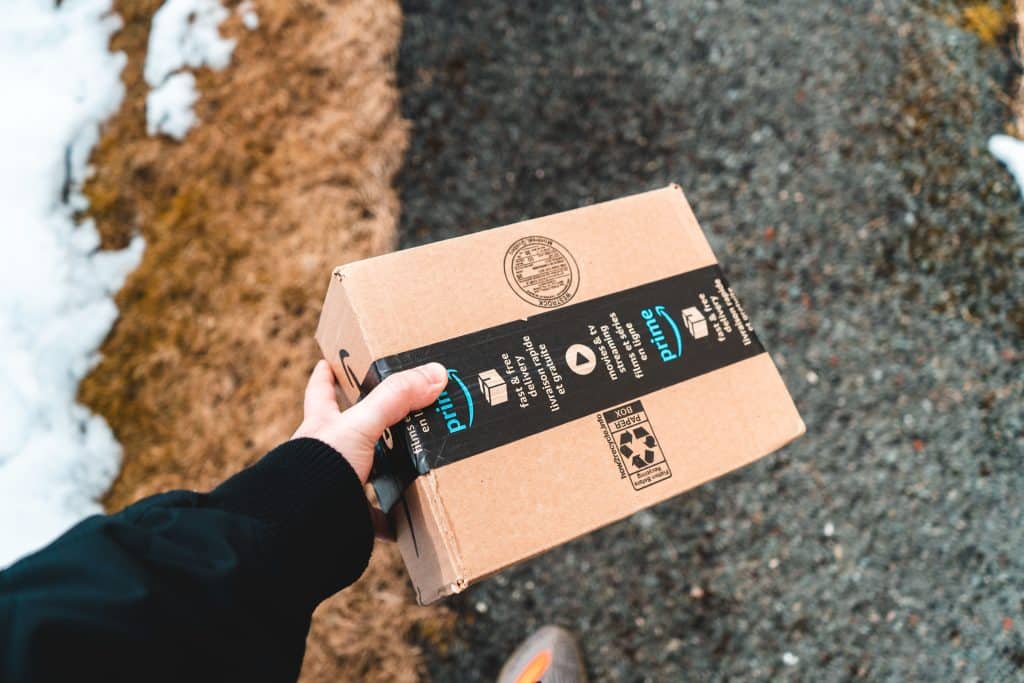
Instead of storing products yourself, they are sent to Amazon’s fulfillment centers. Once your inventory arrives, Amazon stores it until a customer places an order. From there, Amazon does it all. The service picks the items, packs it, ships it, and even handles any customer service issues related to delivery and returns.
For sellers, that means far less time spent dealing with the logistics side of the business.
Many businesses also use providers offering Kase FBA prep services before inventory is sent to Amazon. This helps ensure products are properly labeled, inspected, and package according to Amazon’s requirements. The chances of delays or compliance issues later on are reduced.
The Core Benefits of FBA
The biggest advantage of FBA is probably the one most business owners care about most:
It saves time.
Rather than spending hours each week packing orders and arranging shipments, you focus on the parts of the business that actually drive growth. Your attention is directed where it matters most – improving products, building the brand, or finding new customers, for example.
There’s also the customer experience to consider. Shoppers have become used to fast shipping. Amazon has set that standard. By using FBA, sellers often offer delivery speeds that would be difficult and expensive to match on their own.
Scalability, too, is a benefit. Handling 20 orders a week is one thing. Handling 2,000, though… Well, that is something else entirely. FBA gives businesses access to an infrastructure. This access supports growth, all without requiring them to lease warehouse space or hire additional fulfillment staff.
Key Considerations
That said, FBA isn’t a magic solution.
You need to stay on top of inventory planning. Running out of stock hurts sales. Sending too much inventory, on the other hand, increases storage expenses. You need to find the right balance. That, however, is easier said than done.
While many sellers appreciate handing fulfillment over to Amazon, other miss having control. They would typically have complete control over the customer experience – particularly when it comes to packaging and branding.
To conclude, FBA can be a game-changer – for the right business. The key is viewing it as a tool, not a shortcut. Understand the advantages as well as the limitations. Doing so will help you decide whether it’s the right next step for your growth strategy.