
The United States holds countless secret corners that escape the typical travel brochure. Moving beyond the crowded monuments and packed amusement parks reveals a different side of the nation. These quiet spots tell stories of past ambitions and unexpected resilience. Exploring these locations gives travelers a deeper look at regional history. Every region contains surprises if you know where to look.
Forgotten Mining Camps of the Old West
The desert hills hold many secrets from the days of the gold rush. Searching for hidden treasures often leads travelers down bumpy dirt roads. You can find several ghost towns in Arizona tucked away inside deep mountain canyons. These abandoned settlements offer a quiet look into the difficult lives of early pioneers. Old wooden cabins stand silently against the harsh desert wind.
Many of these camps disappeared entirely when the precious metals ran out. Visitors can still see the remains of stone foundations and rusty machinery left behind by workers. Walking through these empty streets feels like stepping backward through time.
Historic Plazas and Spanish Revival Style
Architecture often preserves the memory of industrial booms in remote desert regions. Certain towns grew rapidly around early copper mining operations before establishing permanent cultural centers. These places offer beautiful public spaces that look like they belong in another country.
A travel website mentioned that the historic Ajo Plaza features striking Spanish Colonial Revival architecture, making it a charming space to grab coffee and see local art. The clean white buildings and tall palm trees create a relaxing spot for an afternoon stroll. Visitors can explore the nearby historic depot or view the massive open-pit mine just outside the main district. The area provides an excellent example of early twentieth-century community planning.
Preservation of Mountain Heritage
High elevations hide towns that transitioned from industrial hubs to cultural sanctuaries. Thick pine forests surround these communities, offering a cool escape from the lowland heat. Local museums preserve the tools and clothing used by the families who settled the rugged terrain.
Art galleries now occupy buildings that once served as supply stores or boarding houses. Visitors can hike along trails that follow old railroad routes used to haul timber and ore. The cool mountain air and historic architecture make these stops memorable for road trippers. Local guides often share folklore about the characters who shaped the region.
Coastal Sanctuaries and Quiet Waters
Away from the dry deserts, the American coastline offers its own hidden treasures. Small fishing villages maintain traditions that date back multiple generations. These places avoid the massive resort crowds, keeping their peaceful atmosphere intact.
- Wooden piers extend into foggy bays where working boats dock each evening.
- Seafood shacks serve fresh catches directly from the local nets.
- Salt marshes protect diverse bird species that attract nature photographers.
Walking along the shore reveals historic lighthouses that still guide ships through rocky channels. The slow pace of life allows visitors to unwind completely. Watching the sunset over the water provides a perfect end to a day of exploration.
Valley Communities and Farming Traditions
Inland valleys contain rich agricultural pockets that surprise travelers with their beauty. Vast orchards and vineyards stretch across rolling hillsides under wide blue skies. Roadside stands sell fresh fruit, homemade pies, and regional honey to passing motorists.
Many families have worked this land for over a century, passing down unique farming methods. Seasonal festivals celebrate the annual harvest with live music and community dinners. Visitors can tour historic barns and learn about traditional food preservation techniques. The dedication to the land creates a strong sense of community pride.
Forest Hideaways and River Paths
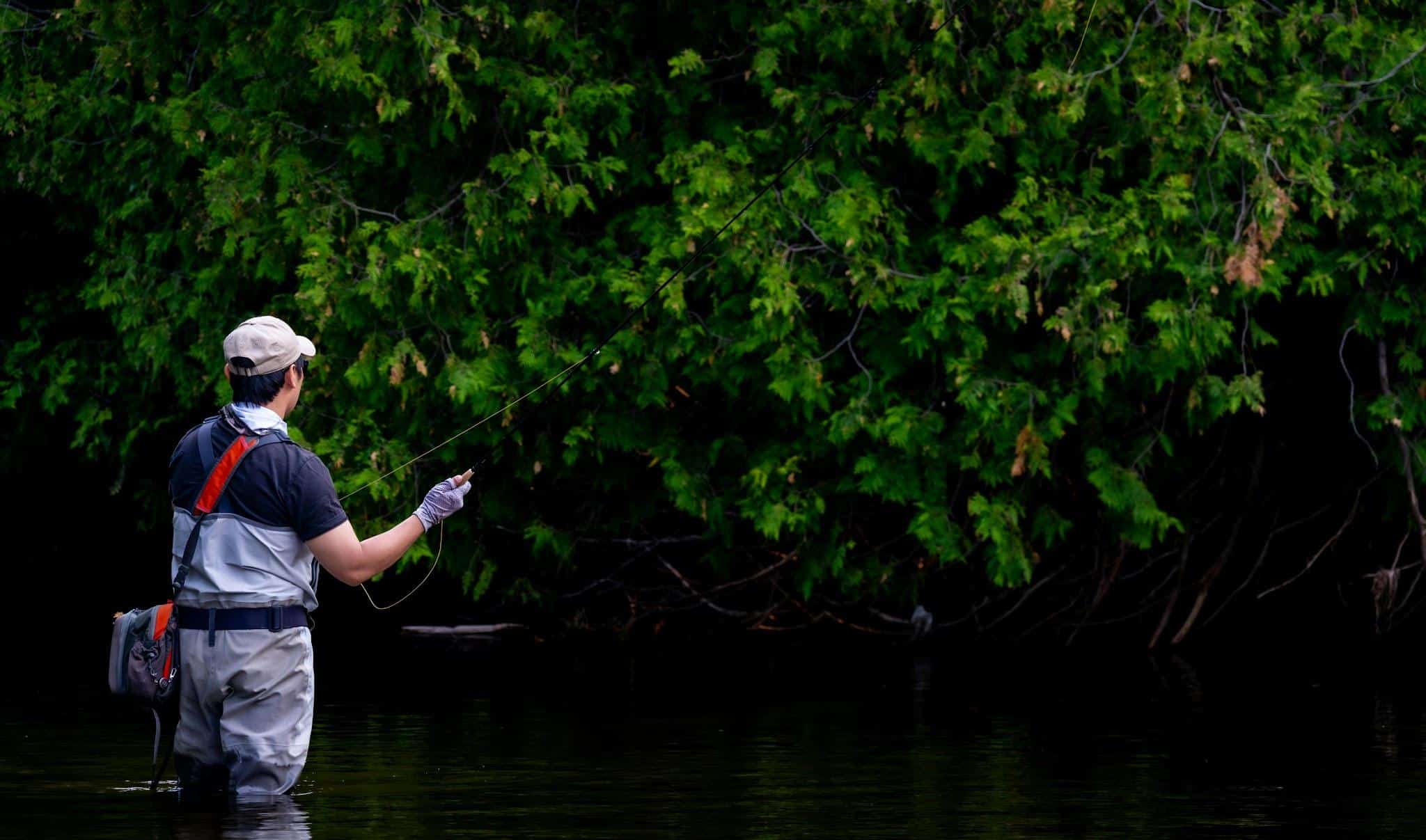
Deep river valleys offer exceptional recreation opportunities far from urban centers. Clear streams wind through dense forests of oak and maple trees. Simple suspension bridges allow hikers to cross rushing waters safely.
- Hidden waterfalls tumble down mossy stone walls into cool swimming holes.
- Old logging paths provide gentle routes for mountain biking enthusiasts.
- Riverside campsites offer peaceful spots for sleeping under the stars.
Kayakers can navigate gentle rapids while spotting deer along the riverbanks. The thick canopy keeps the forest floor cool even during mid-summer afternoons. These wilderness areas remain pristine thanks to local conservation efforts.
Historic Rail Lines and Border Towns
The southern borderlands feature a unique blend of cultures and histories. Old railroad tracks trace the paths that connected remote settlements to major trade hubs. Small trading posts still sell handmade goods crafted by local artisans.
Clay brick buildings reflect traditional construction methods designed to beat the summer heat. Small museums hold artifacts from the days when steam trains ruled the region. The fusion of different traditions shows clearly in the local architecture and community events. Exploring these border regions provides a broader understanding of national growth.
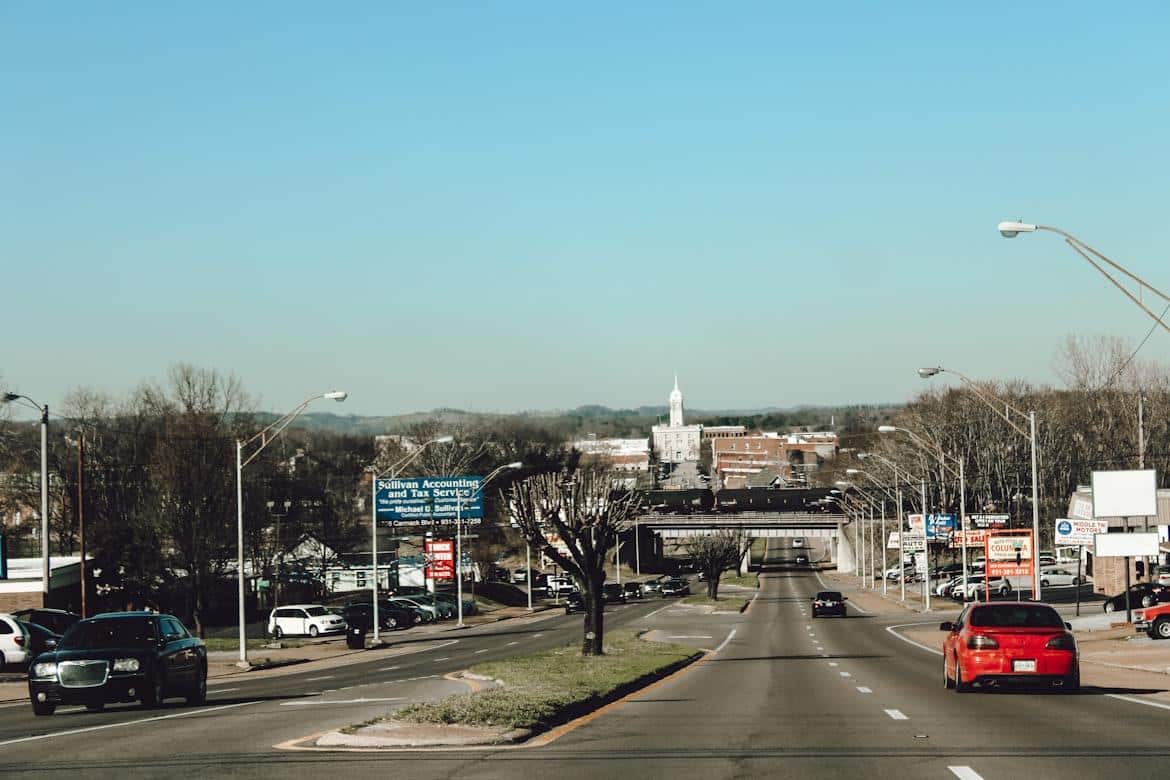
Traveling across the country reveals that the most memorable destinations are often the least expected. Moving away from major highways allows you to discover the true character of different regions. These unique places remind us of the diverse history and natural beauty that shape the land. Taking time to explore the quiet corners creates stories that stay with you forever.