
The call to prayer starts before sunrise, five times a day, echoing from minarets across every city and town. Most first-time visitors expect Morocco to feel foreign, but few anticipate exactly how — the specific textures of daily life that don’t show up in the photos of blue doorways and desert dunes. Here’s what actually catches people off guard once they’re on the ground.
The Bargaining Is Real Work, Not a Game
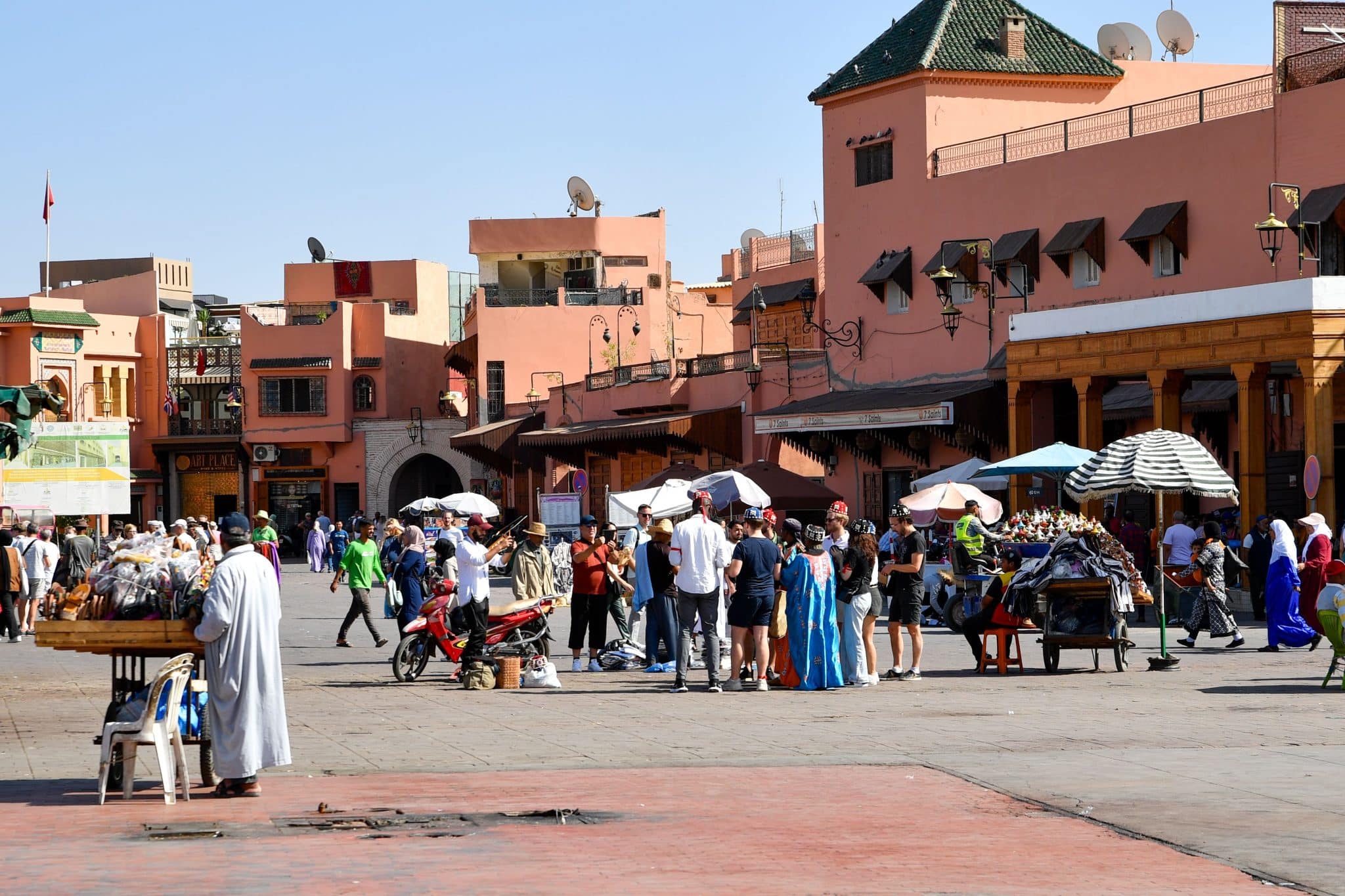
Guidebooks mention haggling like it’s a fun cultural quirk, but in the souks of Marrakech or Fez, it’s a genuine negotiation with real stakes. Vendors often start at three or four times the price they’ll actually accept, and walking away is frequently the move that gets you the better offer.
This isn’t a scam — it’s simply how commerce works in the medinas, and locals do it too. Expect it to take longer than you’d like, and expect a mint tea to appear at some point during the process, because that’s part of the ritual as well.
Medinas Are Genuinely Disorienting
Fez el-Bali has an estimated 9,000 alleyways, and there’s no grid system to fall back on. Google Maps struggles here because many passages are too narrow to register or change character every few meters. Locals sometimes offer to guide you out for a small fee, and it’s usually worth accepting rather than wandering in circles for another twenty minutes.
The upside is that getting lost is how you stumble onto the tanneries, the hidden riads, and the tiny workshops that never make it into any listicle.
Mint Tea Shows Up Constantly, and Declining Is Awkward
Sweet mint tea, poured from a height into small glasses, is offered in carpet shops, hotel lobbies, and sometimes just by shopkeepers who want to chat. Refusing it outright can come across as rude, since offering tea is a basic gesture of hospitality rather than a sales tactic.
Most visitors find it easier to accept a glass even if they don’t plan to buy anything. The sugar content is high enough that a few glasses a day will genuinely wake you up.
Public Life Runs on a Different Clock
Shops open late, close for long stretches in the afternoon, and reopen in the evening when temperatures drop. During Ramadan, this shifts even further, with many businesses closed during daylight hours and streets coming alive after sunset.
Friday afternoons see many shops shuttered for prayer, particularly in smaller towns. Travelers who build a rigid, hour-by-hour itinerary often find it collides with a rhythm that simply doesn’t match Western business hours.
The Sahara Is Colder Than Expected
Desert camps near Merzouga or Zagora get marketed with images of golden dunes at sunset, which is accurate but incomplete. Nighttime temperatures in the Sahara can drop to near freezing between November and February, even though daytime highs feel like summer.
Visitors who pack only for heat are often caught off guard shivering in a tent at 3 a.m. Layered clothing, and a willingness to bundle up under wool blankets provided at most camps, makes the overnight camel trek far more comfortable than expected.
Distances Take Longer Than They Look on a Map
Morocco isn’t a small country — driving from Marrakech to Chefchaouen takes roughly six hours, and Marrakech to Merzouga is closer to nine or ten with mountain roads through the Atlas.
The terrain shifts dramatically from coastal plains to snow-capped passes to desert flats, which makes for spectacular scenery but slow going. Many travelers underestimate this and try to cram too many cities into a short trip, ending up spending more time in transit than actually exploring.
Booking through Morocco travel packages that already account for realistic driving times between regions tends to save a lot of frustration, since local operators know which routes are worth the hours and which aren’t.
Moroccan Hospitality Can Feel Overwhelming at First
Strangers offering directions, inviting you for tea, or striking up conversation is common, and it isn’t always a prelude to a sale. Some of it is simply cultural warmth, particularly in smaller towns where tourists are still a novelty rather than a daily occurrence.
That said, distinguishing genuine hospitality from a guiding fee that will be requested later takes a bit of practice. Asking directly and early — “is there a charge for this?” — usually clears up the confusion without causing offense.
Getting the Most Out of the Unexpected
The trip that sticks with people isn’t the one that goes exactly as planned — it’s the one where the wrong turn in Fez led to a rooftop view of the tanneries, or the overnight desert cold turned into a story worth telling.
Morocco rewards travelers who build in slack time, pack for temperature swings, and treat the slower pace as part of the experience rather than an obstacle to it. Go in expecting a few days to feel confusing, and the confusing parts tend to become the most memorable ones.