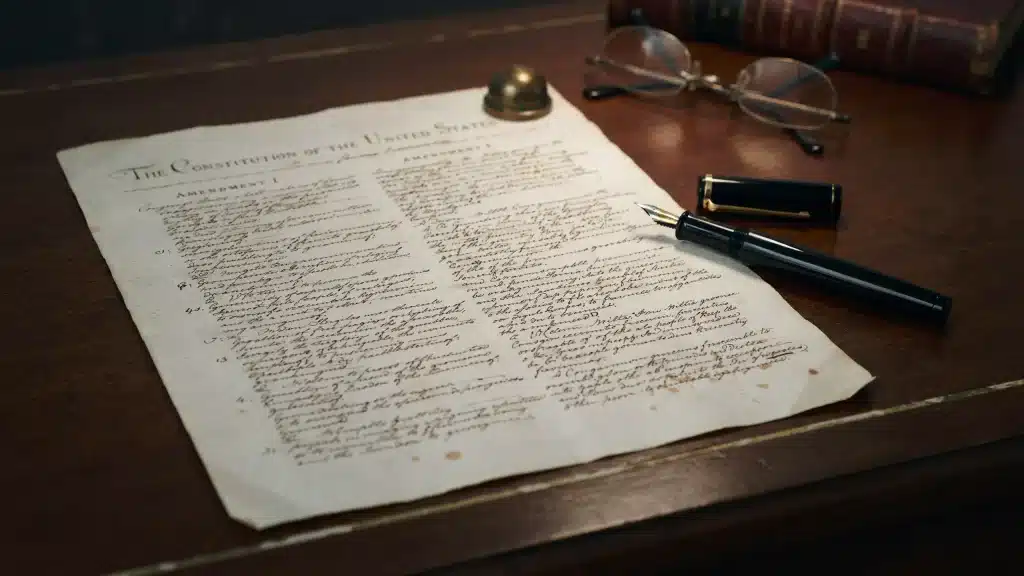
The Bill of Rights was written over 230 years ago, and its language can feel outdated today.
Yet these 10 amendments still shape everyday rights, from police encounters and online speech to courtroom protections.
This breakdown explains each amendment in simple terms, with clear examples and no legal jargon.
What Is the Bill of Rights?
The original U.S. Constitution, ratified in 1787, had a serious problem. It said nothing about protecting individual Americans from their own government. People were worried, and rightly so.
James Madison wrote the solution. On December 15, 1791, the first 10 amendments to the Constitution were ratified. Together, they became the Bill of Rights.
Here is what you need to know right away:
- It is not a list of things you can do.
- It is a list of things the government cannot do to you.
- It limits federal power. These protections now apply to state governments too, through a legal process called incorporation.
- It covers speech, religion, weapons, privacy, trials, and more.
The Basic Freedoms Guaranteed to Americans
Searching for “the basic freedoms that are guaranteed to Americans by the Constitution are called”? Here is your direct answer.
They are called constitutional rights, also known as civil liberties.
| Term | What It Means |
|---|---|
| Constitutional Rights | Protections written directly into the U.S. Constitution |
| Civil Liberties | Individual freedoms are protected from government interference |
| Civil Rights | Equal treatment under the law: often tied to race, gender, and religion |
| Bill of Rights |
The first 10 amendments to the Constitution, listing the most basic individual freedoms |
All 10 Amendments of the Bill of Rights
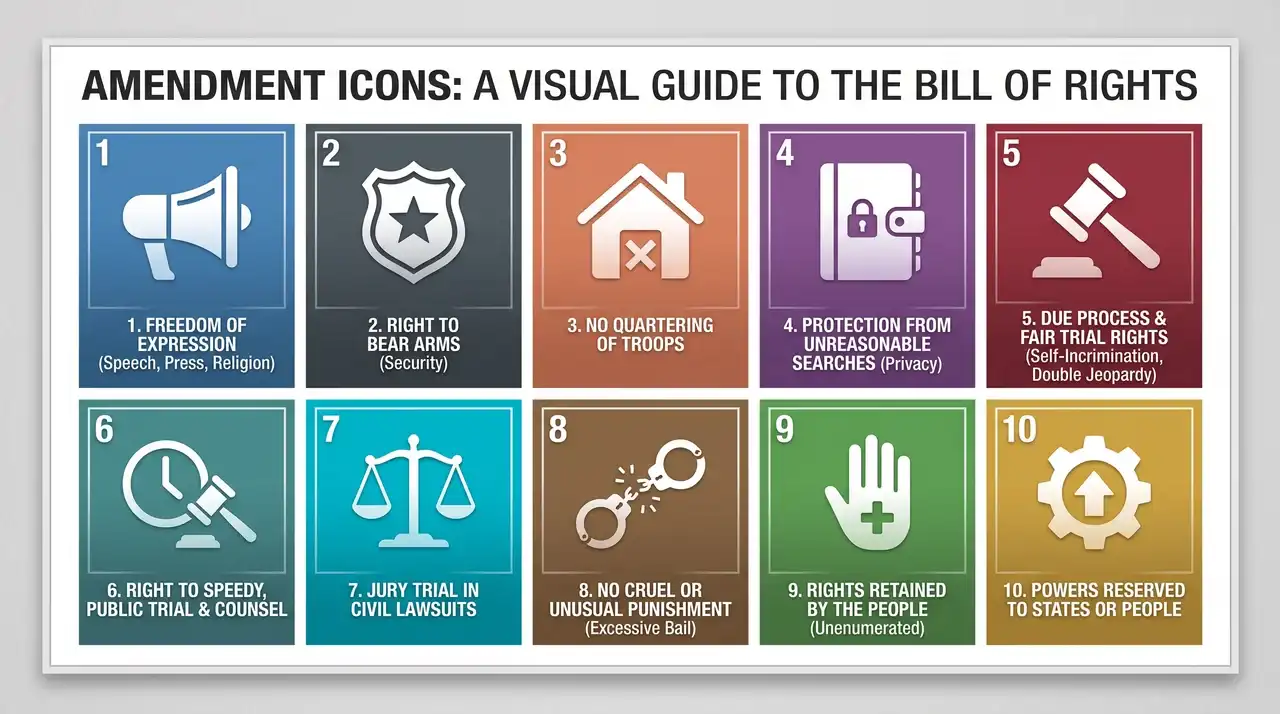
Here is what each Amendment actually says and what it means for your everyday life in America. No legal degree needed.
1st Amendment
Freedom of Religion, Speech, Press, Assembly & Petition. Five rights live inside this one Amendment. It is the most used and most debated of them all.
- You can practice any religion or no religion at all.
- You can say what you think, even if the government hates it.
- The press can report freely, even on powerful people.
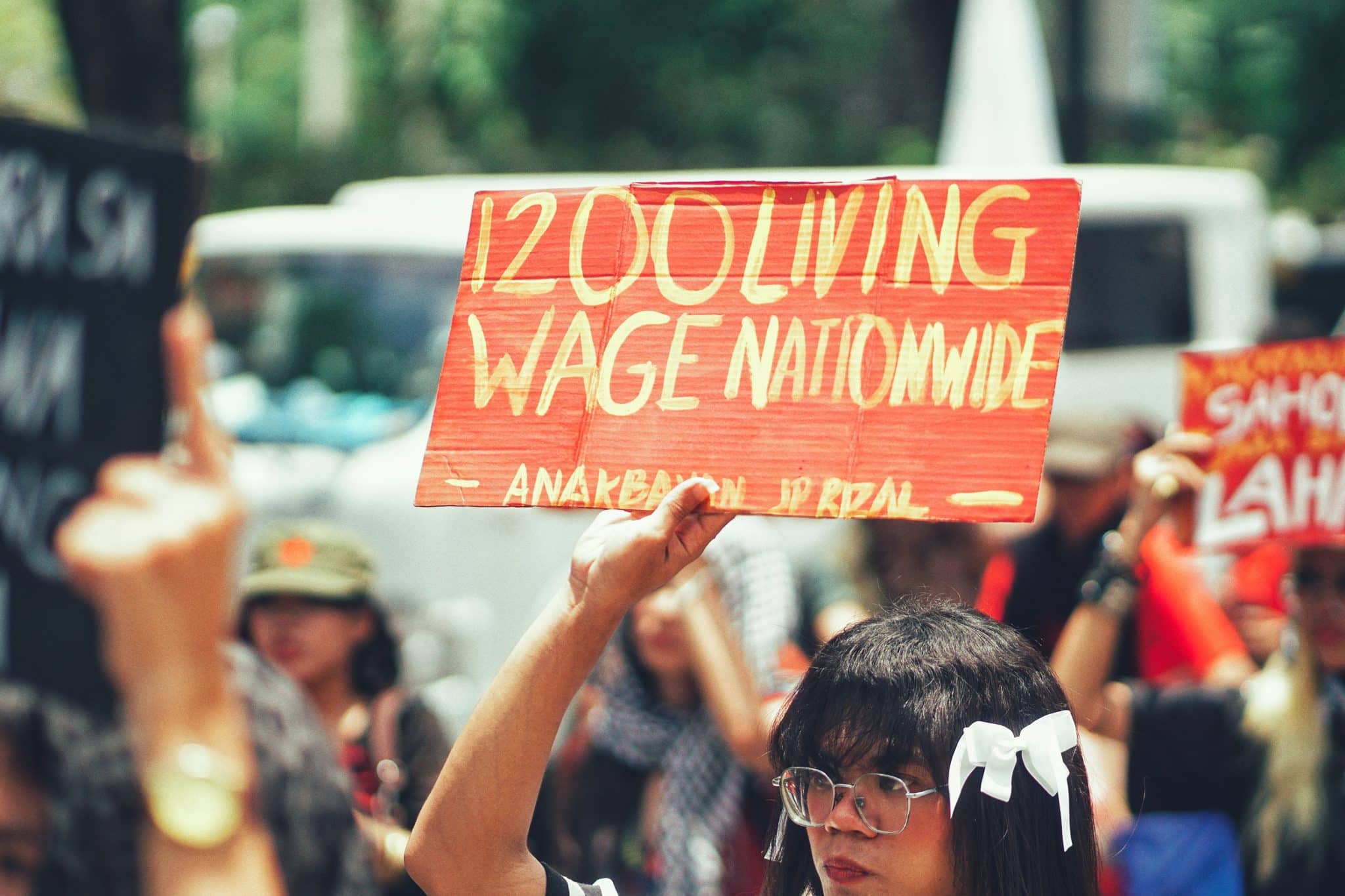
- You can gather peacefully to protest or demonstrate.
- You can ask the government to fix problems.
Pro Tip: This amendment only protects you from government punishment. Your employer is a different story.
2nd Amendment
The Right to Bear Arms. Americans have the right to own and carry firearms. This Amendment was written partly in response to British troops seizing weapons from colonists.
- Law-abiding citizens can legally own guns.
- Courts have ruled that the government can impose some limits, such as background checks and bans on certain weapons.
- The Supreme Court has confirmed this as an individual right, not just a military one.
3rd Amendment
No Forced Housing of Soldiers. The government cannot force you to house soldiers in your home during peacetime.
- During wartime, Congress must first pass a law.
- This Amendment rarely comes up in modern courts.
- It established a key principle, as your home belongs to you.
4th Amendment
Protection from Unreasonable Searches. Police need a warrant to search your home, car, or personal belongings.
- The warrant must describe exactly what they are looking for.
- A judge must approve it based on probable cause.
- Random searches without reason are not allowed.
Pro Tip: Courts have ruled that digital devices get strong Fourth Amendment protection.
5th Amendment
Your Right to Stay Silent. You cannot be forced to testify against yourself in a criminal case. This is where “pleading the Fifth” comes from. Knowing this right matters any time police ask you questions outside of a formal arrest.
- You cannot be tried twice for the same crime (double jeopardy).
- The government cannot take your property without paying fair value.
- You are entitled to due process of law before any punishment.
6th Amendment
The Right to a Fair and Fast Trial. If you are accused of a crime, the government cannot drag it out forever or hide it from the public.
- You get a speedy, public trial.
- A jury of your peers decides your case.
- You have the right to know the charges against you.
- You have the right to a lawyer, even if you cannot pay.
7th Amendment
Jury Trials in Civil Cases. This Amendment extends the right to a jury beyond criminal cases.
- Civil disputes over more than $20 have the right to a jury trial.
- This applies to cases between private citizens, not just citizen vs. government.
- Once a jury decides the facts, a judge cannot simply override them.
8th Amendment
No Cruel or Excessive Punishment. The government cannot go overboard with bail, fines, or punishment.
- Bail must be reasonable for the crime.
- Fines must fit the offense.
- Punishments cannot be cruel or unusual, and torture is prohibited.
9th Amendment
You Have More Rights Than This List. Just because a right is not written in the Constitution does not mean it does not exist.
- The Constitution does not list every right Americans have.
- Courts have used this Amendment to protect rights like privacy.
- It prevents the government from saying, “If it is not in the document, you do not have it”.
10th Amendment
States Keep Their Own Power. Powers not given to the federal government belong to the states or to the people directly.
- This limits Washington’s reach into everyday state decisions.
- States control things like speed limits, education rules, and marriage laws.
- It preserves the balance between state and federal power in the American system.
Freedom of Assembly: What Does It Really Mean?
Freedom of assembly is part of the First Amendment, and it is one of the most misunderstood rights Americans have.
Here is what it actually covers:
- You can peacefully gather with others in a public space.
- This includes protests, marches, town halls, and community meetings.
- The government cannot ban a gathering just because it dislikes the message.
What the government can do:
| Allowed | Not Allowed |
|---|---|
| Set rules on time and location | Ban a gathering based on its message |
| Require permits for large events | Arrest peaceful protesters for speaking |
| Disperse a crowd that turns violent | Shut down a march for political reasons |
Which Rights Do Americans Use Every Single Day?
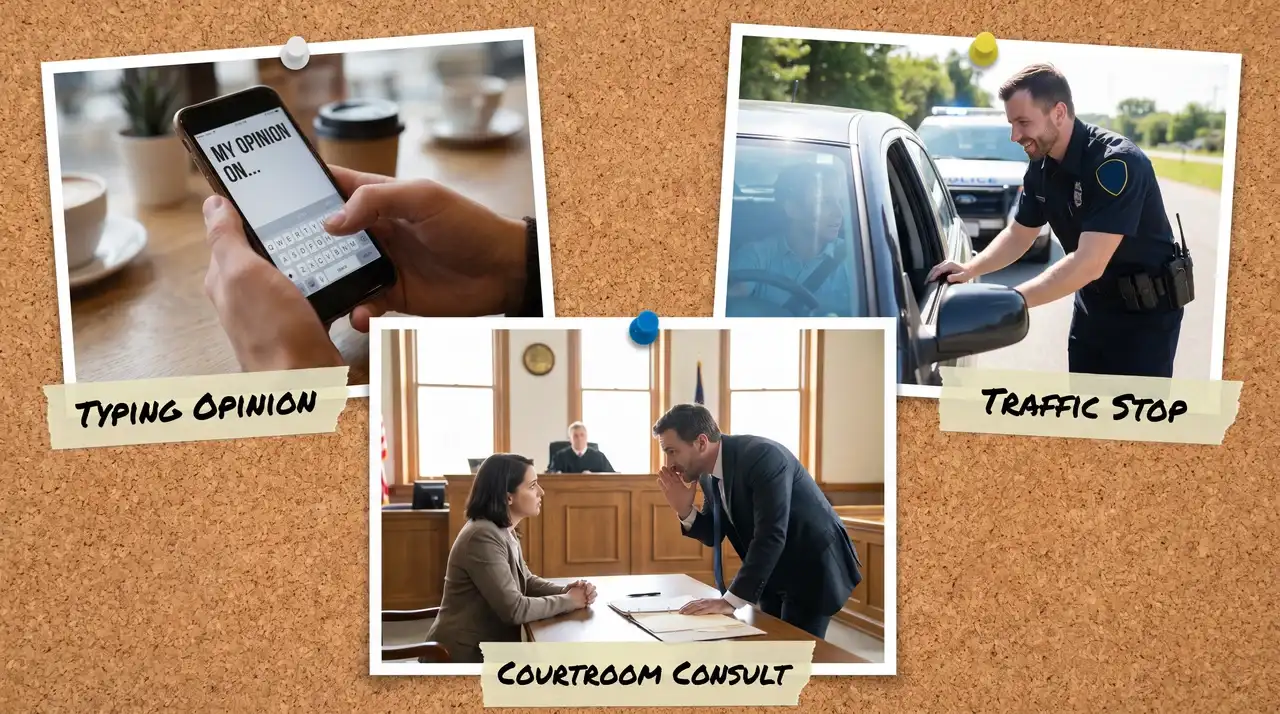
Most people do not realize how often the Bill of Rights shows up in daily life. Here is where it actually touches you.
- 1st Amendment: Every time you post an opinion online, attend a church, or sign a petition.
- 4th Amendment: Every time a police officer pulls you over and asks to search your car.
- 5th Amendment: Every time someone in a criminal case refuses to answer a question under oath.
- 6th Amendment: Every time a court-appointed lawyer stands beside a defendant who could not afford one.
- 8th Amendment: Every time a judge sets bail at a level tied to the actual crime.
Key Consideration: The Bill of Rights limits only government power. A private company, social media platform, or employer is not bound by it. Facebook’s removal of your post is not a First Amendment violation.
What the Bill of Rights Does NOT Cover?
This is the part most simplified guides skip, and it matters.
The Bill of Rights does NOT protect you from:
- Your employer firing you for something you said.
- A private business refusing your entry or removing your post.
- Social consequences: people disagreeing with you or cutting ties with you.
- Speech that directly causes harm: true threats, incitement to violence, and obscenity are not protected.
Why the Bill of Rights Still Matters Today?
Written in 1791. Still argued in courtrooms every week. That tells you everything.
Here is where it shows up in modern American life:
- Digital privacy: Courts have extended 4th Amendment protections to cell phones and email
- Online speech: First Amendment cases now cover social media posts on government platforms
- Criminal justice reform: 5th, 6th, and 8th Amendment debates shape sentencing laws and police conduct
- Religious freedom: 1st Amendment cases still reach the Supreme Court regularly
The founders could not have imagined smartphones, social media, or DNA evidence. But the principles they wrote down have stretched to cover all of it.
The Bill of Rights does not change. How courts apply it does.
Frequently Asked Questions
Who can declare a President Incompetent?
Under the 25th Amendment, the Vice President and a majority of Cabinet members can declare the president unable to perform his duties.
What are Some Criticisms of The Bill of Rights?
Critics argue it excludes women and minorities, protects gun rights too broadly, and leaves too many rights vaguely defined for modern situations.
What are the Four Basic Rights?
Freedom of speech, freedom of religion, the right to a fair trial, and protection from unreasonable government searches are widely considered the four core rights.
Who Wrote the Bill of Rights?
The Bill of Rights was written by James Madison and proposed in 1789 as the first ten amendments to the U.S. Constitution.
What Is the Bill of Rights for Dummies?
The Bill of Rights is the first 10 amendments to the U.S. Constitution that protect basic freedoms and limit government power.
Bill of Rights Simplified: What It All Means
The Bill of Rights comes down to one idea: the government cannot run over your individual freedoms.
Ten amendments. Written over 230 years ago. Still deciding what police can search, what courts can do, and what you are allowed to say in public.
You do not need a law degree to understand your rights. You need them explained clearly, which is exactly what this guide set out to do.
Now you know where each right comes from, what it protects, and where it stops.
Which of the 10 amendments matters most in your daily life? Share your take with us on social media.