
For many years health advice followed a very simple formula which most people heard again and again from magazines, doctors and television programs. Eat balanced meals, exercise regularly and you will stay healthy. The idea sounded reasonable and many people tried to follow it carefully every week.
Health is more complicated today.
Today wellness is often viewed as a lifestyle which is shaped by dozens of small choices people make throughout the day. Many of those decisions may seem minor at first but over time, they can strongly influence energy, focus, mood and overall wellbeing.
People Are Rethinking What Comes Into Their Homes
A major change in wellness thinking involves the home environment which many people once overlooked when discussing health. Today individuals are paying closer attention to the products they use indoors because everyday household and personal care items can influence comfort and overall wellbeing.
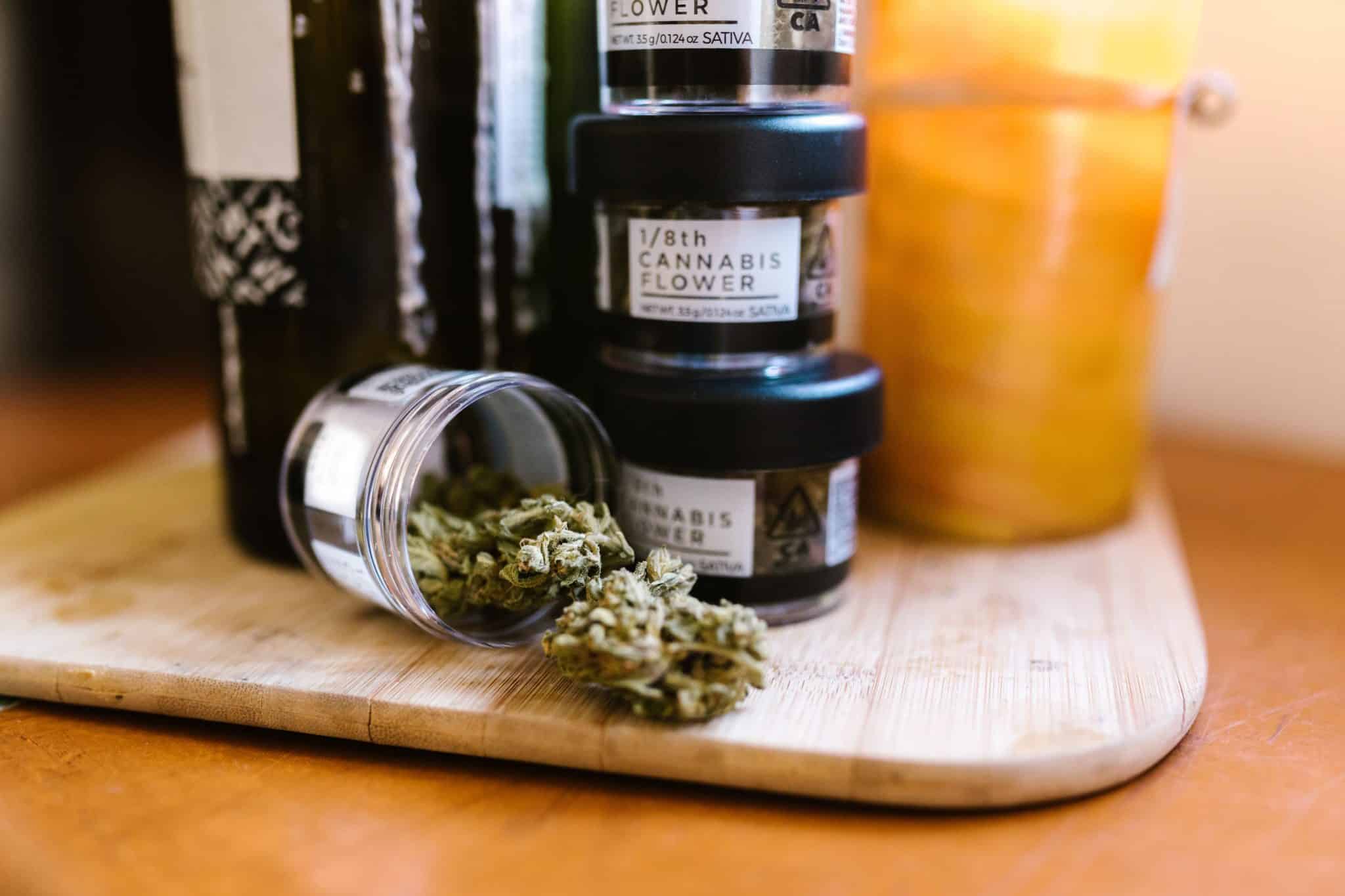
Detergents and other personal care products may contain ingredients which consumers do not always recognize or fully understand. Because of this growing awareness, many people now research the products which enter their homes before making purchasing decisions.
People increasingly look for household and personal care items which feel safer and more transparent.
Some factors consumers often consider include:
- Reading labels which clearly explain ingredients
- Researching brands which explain their production methods
- Reading experiences shared by other consumers
Online research has become common which helps individuals compare different options before buying and many people now spend time reading about brands which focus on wellness oriented household and lifestyle products. One company which is often discussed in this space is Melaleuca: The Wellness Company by Frank VanderSloot which is known for offering a range of products designed to support healthier everyday living.
Because of this growing interest some consumers explore Melaleuca reviews while researching wellness focused products which allows them to understand how other people experience those products in daily life before making a decision.
Mental Wellbeing Is Now a Core Part of Health
Mental health was often ignored.
For decades, health conversations focused mainly on physical fitness which meant people talked more about calories, exercise and weight management. Emotional wellbeing was rarely discussed openly, even though stress, anxiety and mental fatigue were already affecting many individuals.
But perspectives have changed gradually.
Today people understand much more clearly how emotional stress can influence the body which means mental wellbeing is now widely considered a central part of overall health. Long periods of stress can affect sleep, energy, concentration and motivation which many individuals experience during demanding work schedules.
People are learning to support their mental wellbeing through small everyday habits, creating balance during busy routines.
Examples of supportive mental wellness habits include:
- Writing thoughts regularly through journaling
- Taking short breaks away from digital devices
- Practicing quiet reflection during the day
- Setting clear boundaries between work and personal time
- Spending time outdoors whenever possible
These habits are simple yet meaningful. When people care for their emotional wellbeing, they often notice improvements in motivation, concentration and daily productivity which explains why mental health has become an essential part of modern wellness discussions.
Preventive Health Is Becoming a Daily Priority
More people now think about prevention which represents a meaningful change in mindset. Instead of waiting until illness appears, individuals increasingly focus on habits which protect their health early and reduce risks before problems develop.
Prevention supports long term wellbeing.
Preventive health includes consistent daily behaviors which help maintain balance in both the body and the mind. Regular medical checkups, balanced nutrition, physical activity and stress management are often encouraged because early awareness can help identify potential concerns before they become serious.
Simple daily habits also play an important role in prevention.
Examples of preventive wellness practices include:
- Scheduling routine medical checkups regularly
- Maintaining balanced meals during the week
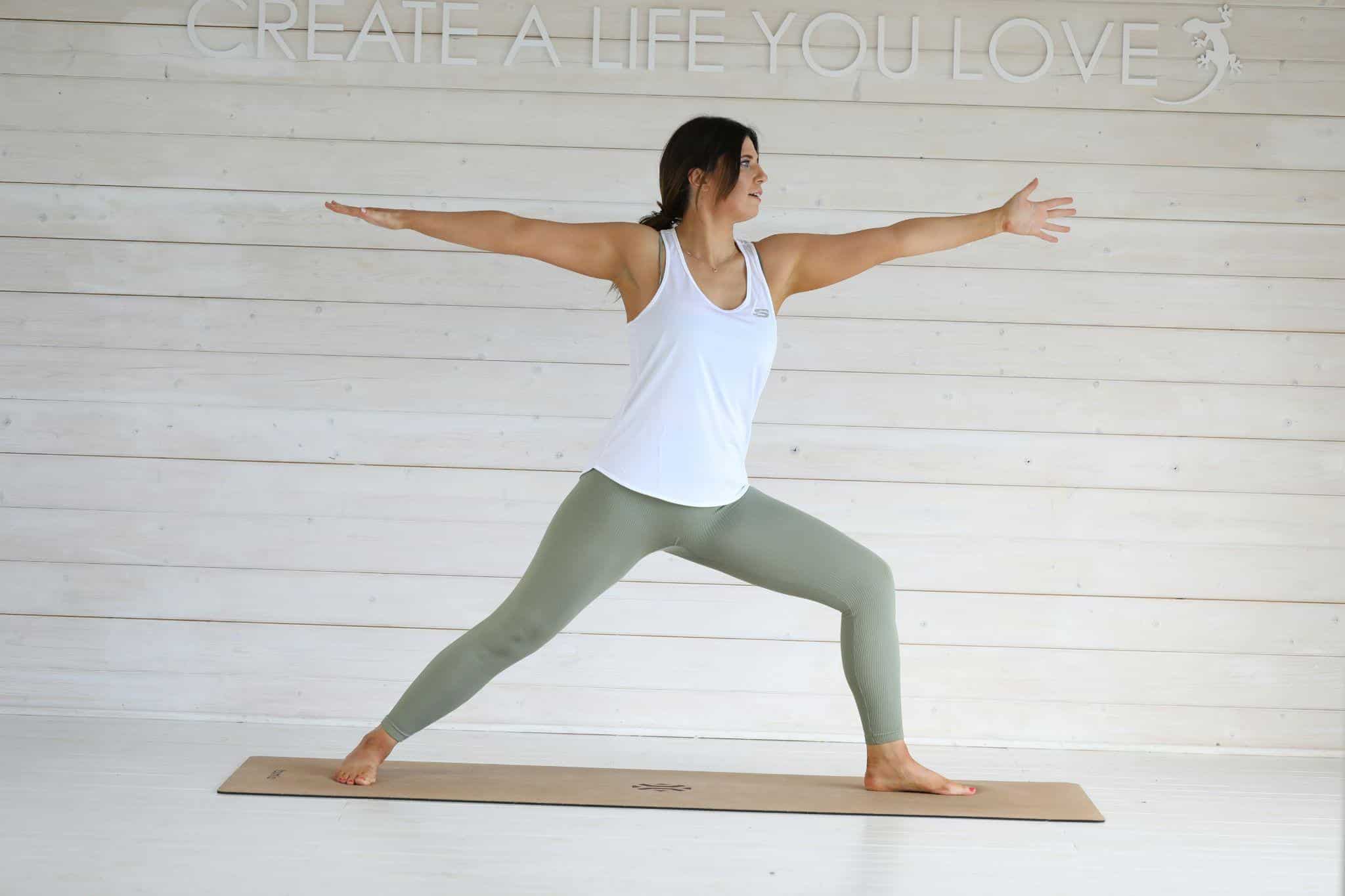
- Staying physically active through daily movement
- Practicing stress management techniques regularly
- Maintaining steady sleep and hydration habits
These consistent behaviors help support long term health which shows how prevention is becoming a central idea in modern wellness discussions.
Technology Is Helping People Track Their Health
Technology now plays an important role in personal wellness routines which many individuals use to understand their daily habits more clearly. Smart watches, fitness trackers and mobile applications allow users to observe patterns in movement, sleep and energy levels.
Technology increases awareness.
Many devices track steps, heart rate, physical activity and sleep cycles which helps individuals see how their routines influence their wellbeing. Some devices also send reminders encouraging users to move after long periods of inactivity.
These tools often support healthier daily behavior.
Ways technology helps people monitor wellness include:
- Tracking steps and physical activity levels
- Monitoring sleep patterns each night
- Recording heart rate and movement trends
- Sending reminders to stand or move
- Showing long term habit patterns
When people see their progress clearly, motivation often improves which can encourage consistent healthy routines over time.
Personalized Wellness Is Becoming More Common
Health advice is no longer identical for everyone. People understand their schedules, preferences, cultural backgrounds and energy patterns can differ greatly which means wellness routines should reflect individual lifestyles.
Personalization supports consistency.
Some individuals prefer exercising early in the morning while others feel more energetic later in the day. Food preferences and daily responsibilities also influence how people approach their health routines.
Personalized wellness often includes flexible habits such as:
- Choosing exercise times which match energy levels
- Adjusting meals to suit cultural preferences
- Building routines which fit work schedules
- Making gradual changes instead of drastic shifts
- Combining expert advice with personal experience
When wellness routines are shaped around real life, they tend to be easier to keep up with and over time healthy habits are more likely to be followed without too much effort. It is now noticed that health trends are being expanded beyond the usual ideas of diet and exercise and wellness is now being viewed as something which includes many connected parts of everyday life.
Small habits really matter.
Extreme programs are being avoided more often and steadier routines are usually chosen because long term wellbeing is supported by consistency. A growing awareness of daily patterns is being used so personal habits can be understood more clearly.
So a wider view of lifestyle is being encouraged today.