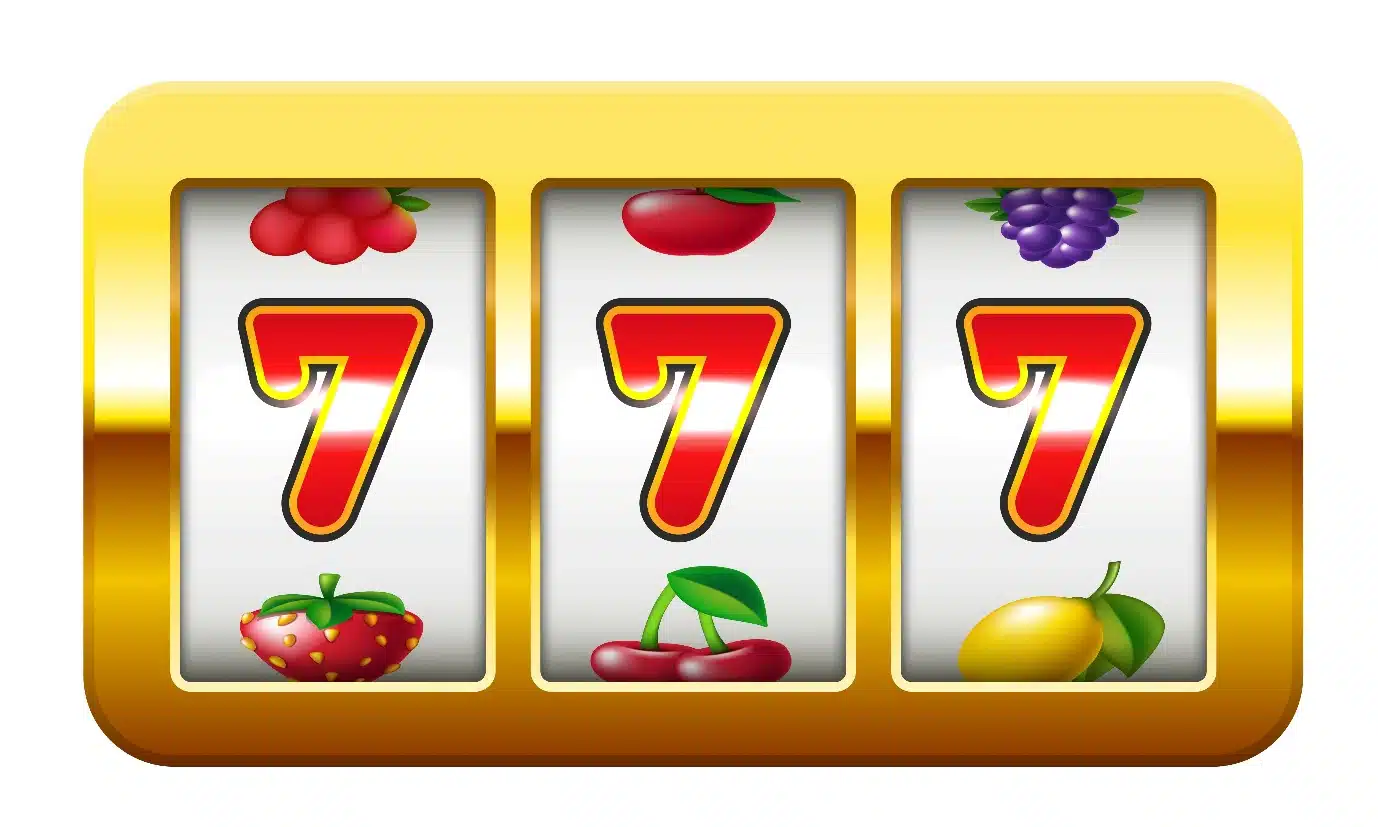
Online Slots are among the most popular games in any UK casino lobby, yet few players stop to think about what happens between pressing spin and seeing the reels land. Modern casino sites bring tables, reels and live games in one place. Table games follow rules you can watch play out, but Slots hide how they work behind bright graphics and sound effects. Here’s a plain-English guide to the technology and maths behind every spin.
The Random Number Generator
At the heart of every online slot is a random number generator, or RNG. This is software that keeps producing numbers, thousands of times a second, even when nobody is playing. The moment you press spin, the game takes the latest number and uses it to decide where each reel stops.
That means the result is settled the instant you start the spin. The spinning animation is just for show. Stopping the reels early or changing when you click makes no difference to the outcome.
In Great Britain, the RNGs in games offered by licensed operators must be independently tested to confirm the results are truly random and can’t be predicted.
What RTP Actually Means
Return to player, or RTP, is the share of all money staked on a game that it’s designed to pay back over time. A slot with an RTP of 96% is expected to return £96 for every £100 staked, across millions of spins.
The key words are “over time”. RTP is a long-term average, not a promise for any one session. In a short spell of play, your results can be far above or below that figure. The remaining percentage is called the house edge, and it’s how the game makes money for the operator.
Volatility: The Shape of The Ride
Two Slots can have the same RTP yet feel completely different to play. That’s down to volatility, sometimes called variance.
Low-volatility Slots tend to pay small wins fairly often, which makes for a steadier game. High-volatility Slots pay out less often, but when wins do come, they can be much bigger. Medium-volatility games sit in between. Many game providers list volatility in the game information, so it’s worth checking before you play.
Paylines, Ways and Clusters
Classic Slots pay out when matching symbols land on set paylines, such as a straight line across the middle row. Many modern games use a “ways to win” system instead. Matching symbols only need to land on reels next to each other, starting from the left, whatever their exact position. Some games offer hundreds or even thousands of ways to win.
Cluster pays games drop traditional reels and reward groups of matching symbols that touch each other on a grid. With cascading or tumbling reels, winning symbols disappear and new ones drop into place, so a single spin can produce several wins.
Bonus Features Explained
Most modern Slots include extra features. Free spins rounds are the most common, and they’re often triggered by landing a set number of scatter symbols. Wild symbols stand in for other symbols to help complete wins, and multipliers increase the size of a payout.
Some games also have progressive jackpots. A small part of each stake goes into a prize pool that keeps growing until someone wins it.
Built-In Safeguards
Slots in the UK also follow design rules that players in other countries might not see. Since 2021, online slots offered in Great Britain must take at least 2.5 seconds per spin. Autoplay is banned, and games can’t celebrate a return that’s smaller than the stake as if it were a win. Stake limits for online Slots were added in 2025.
Know Before You Spin
Knowing how Slots work won’t change the odds, but it helps you choose games that suit you. Check the RTP and volatility in the game rules, set a budget before you start, and remember that gambling is for over-18s