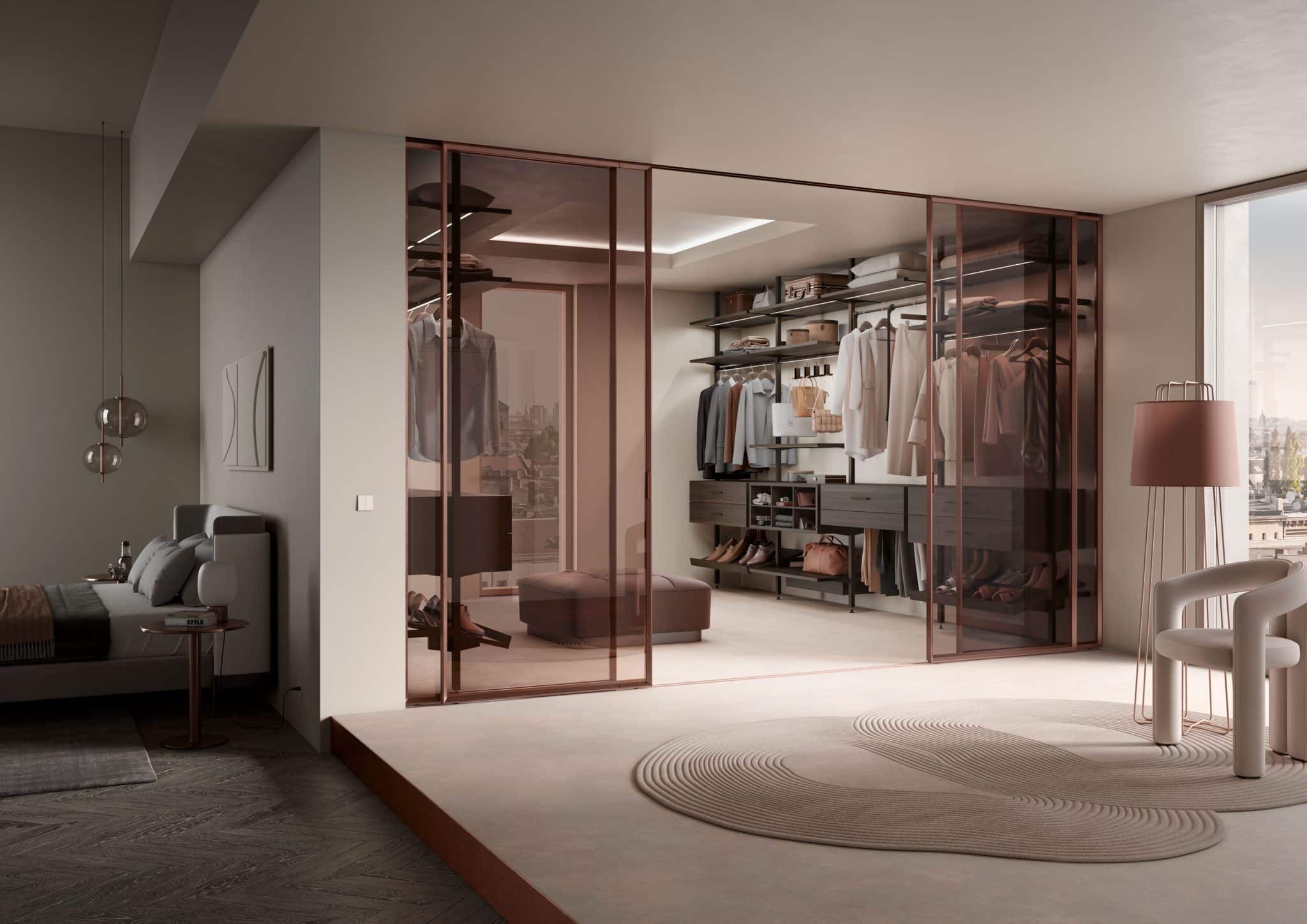
There is a particular kind of closet that tells on its owner. It is packed tight, and yet every morning opens with the same complaint that nothing in there works. The problem is almost never volume. It is that most of what hangs on the rail was bought to answer a mood that had already passed.
Intentional style runs the other direction. It asks a harder question at the point of purchase and accepts fewer, better answers. A wardrobe built that way looks smaller on the rail and behaves much larger in practice, because the pieces cooperate with each other instead of competing for one outing apiece.
What follows is not an argument for buying nothing. It is a practical look at why certain pieces keep paying you back for decades, how to tell real craftsmanship from a convincing impression of it, and which few things deserve the money.
The Quiet Case Against the Micro-Trend Treadmill
Fast fashion did not invent novelty, but it industrialized it. Global clothing production doubled in roughly fifteen years while garments were worn fewer and fewer times, a pattern the Ellen MacArthur Foundation laid out in A New Textiles Economy. The arithmetic is quietly brutal. You pay less per item and considerably more per year.
Regulators have noticed. The European Commission’s Strategy for Sustainable and Circular Textiles sets a 2030 vision in which fast fashion is, in its own blunt phrasing, out of fashion, and everything sold into the EU market is durable and repairable. Whatever you make of policy as a remedy, the direction of travel is clear enough to plan a closet around.
Consumer research points the same way. WRAP’s Valuing Our Clothes study puts extending the life of clothes at the top of the actions that actually move the numbers, ahead of recycling. Keeping good things in rotation beats replacing mediocre ones.
What Craftsmanship Actually Looks Like Up Close
Quality is legible once you know where to look, and most of the tells take about ten seconds. Turn a jacket inside out. Seams should be finished rather than raw, the lining wants a little slack so it travels with your shoulder, and a pattern should match where two panels meet. Then work the zipper, because cheap hardware fails long before the fabric does.
Fine jewelry runs on identical logic with a different vocabulary. With pearls, the thing that matters is nacre, the layered coating the oyster deposits over years of growth. Thick nacre produces a glow that seems to come from somewhere inside the bead. A properly made strand is knotted between every pearl, so the silk does not abrade and a snapped thread costs you one bead instead of forty.
Daily wear is its own discipline, and the small choices compound. Concord p2c’s breakdown of how ring materials hold up to daily wear makes a point about metals that transfers neatly to cloth: a piece you wear constantly has to be engineered for constant wear, not for the display case.
The Short List of Pieces That Earn Their Keep
A serious coat comes first, because it is the garment most people are seen in most often. Look for a wool content high enough to hold structure through rain, a shoulder that sits where your shoulder actually is, and room to layer a sweater.
Then trousers cut for your body rather than a fit model’s, in a mid-weight fabric that presses cleanly and recovers overnight. Then one white shirt of genuinely good cotton, since nothing exposes a bad shirt faster than a plain one. Then leather shoes with a sole that can be replaced, which turns a single purchase into a thirty-year relationship with a cobbler.
And then the finisher. A classic pearl necklace does something none of the clothing can, which is to bounce soft light directly under the face, and it does it in the office at nine and at a dinner table at nine. Layered over a crew-neck sweater it reads as quietly modern; against a blazer it sharpens the whole line. Very few objects change register that easily.
Building the Wardrobe Slowly, and on Purpose
Cost per wear is the only metric worth carrying into a store. A four-hundred-dollar coat worn twice a week for six winters costs less per outing than a sixty-dollar one abandoned in March, and it looks better on every one of those mornings.
Buy into gaps rather than into impulses. Photograph what you already own, note what you reach for, and note honestly what you never touch. The pattern that emerges is your actual taste, which is usually narrower and more consistent than your shopping history suggests.
Then maintain what arrives. Cedar for wool, a soft cloth and a warm rinse for pearls after skin contact, and a tailor on speed dial for the small alterations that make an off-the-rack piece look commissioned. Maintenance is not glamorous, though it is the difference between owning something for three years and owning it for thirty.
A Wardrobe That Ages Well
The reward for all of this is not a moral one. It is the plain daily relief of opening a closet and finding that everything in it fits, works together, and still looks like something you chose on purpose.
It also changes your relationship with trends, which is a pleasant side effect. When the foundation is stable, a loud seasonal piece becomes an experiment you can afford rather than a bet on your whole look.
Start with one piece. Pick the category you wear most, spend properly on it once, and pay attention to how long the satisfaction lasts compared with the last five things you bought quickly. That comparison tends to be persuasive on its own.