
Numerous families often silently withstand the tension of uncertainty about whether an elderly parent is secure at home. You may call more repeatedly than usual or become uncomfortable when they fail to pick up immediately. Even minor accidents, such as a stumble or even a slight fall, can soon transform into life-threatening situations.
Fortunately, medical alert devices provide a convenient means to help alleviate the constant worry. They give the user the availability of instant services in case of an emergency, be it a fall or an unexpected health problem. In fact, this has been added to many systems, which now have such features as automatic fall detection, GPS tracking, and 24/7 monitoring support.
This article discusses the key considerations that should be considered when choosing a medical alert device in Canada.
1. Response Time and Monitoring Reliability
Choosing the best overall medical alert in Canada starts with one key factor: response time. Indeed, anyone who experiences an emergency will want to save their life within a second. Therefore, a device should connect quickly and reliably to a trained monitoring team without delays or any poor signal.
Speed is not the only measure of monitoring reliability. In fact, a reliable system has a stable relationship both through the day and night. This stability would also need to account for power outages or network interruptions. Additionally, other providers are applying redundant systems to minimize the risk of failure. Such a backup can prove to be very useful during a critical time.
Moreover, faster emergency response significantly reduces complications after falls among older adults.
2. Device Comfort and Daily Usability
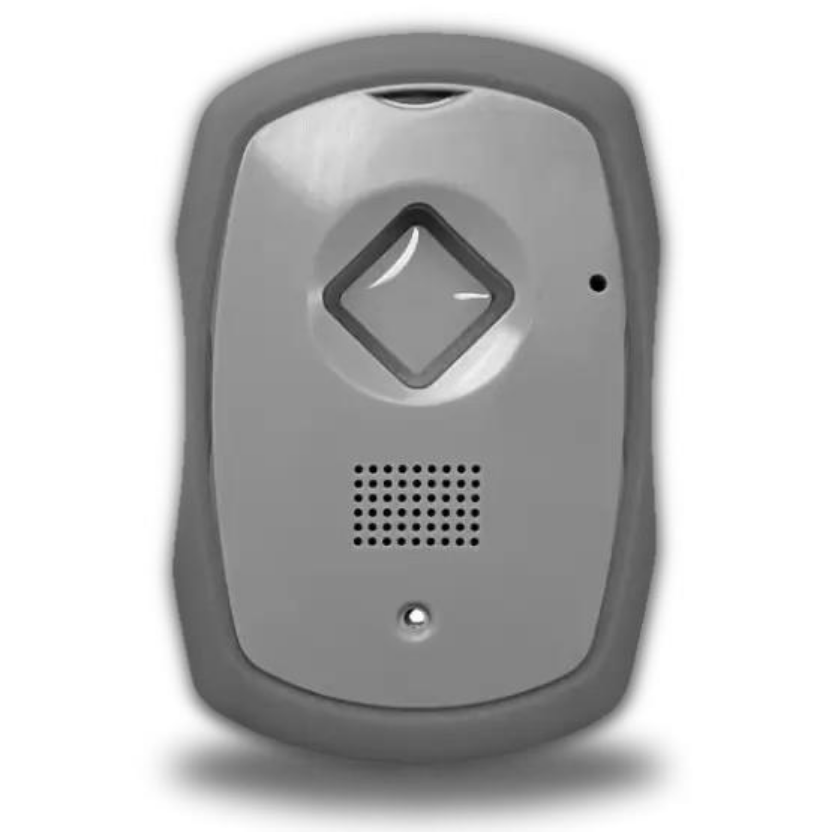
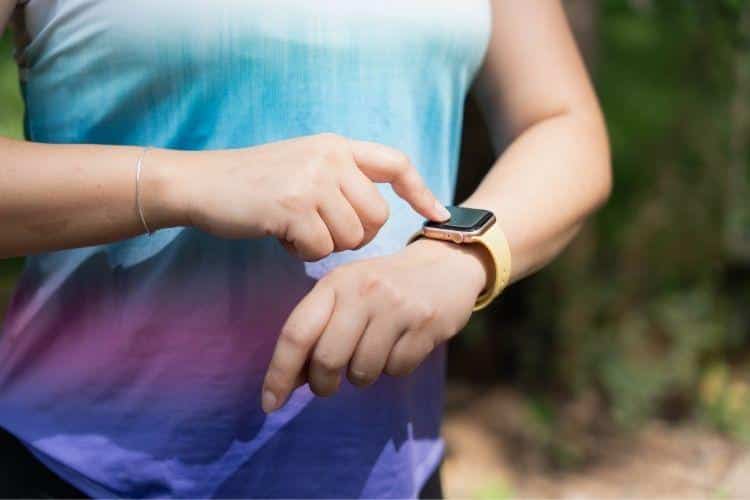
A medical alert device should be comfortable to wear. However, when a device is large and clumsy, the user is likely to remove it. Therefore, consistency is directly dependent on comfort.
Usability is highly affected by design. For example, smaller pendants, wristbands, or clip-ons can be effective in everyday use. In addition, these buttons must be accessible so they can be pressed without much grip strength. Moreover, clarity is also important for users who have hearing difficulties.
The ease of use becomes even more significant over time. Moreover, research also established that the elderly tend to use assistive devices on a regular basis when the interaction is easy and user-friendly.
3. Coverage Range and Mobility Support
The functionality of the device is defined by its coverage. For example, there are systems that are only functional within the home. Meanwhile, others include GPS tracking and mobile connectivity so they can be used outdoors.
Mobility support is a must, especially in the case of active seniors. In fact, nationwide coverage can be achieved by a device that enables safe movement outside the house. This includes a walk or an errand in Canada or even traveling. Without such flexibility, safety is confined to one place.
The signal strength is also important within the home. For instance, connectivity may be compromised by a large layout or thick walls. Therefore, a powerful base unit or cellular system can contribute to reliable coverage over various spaces.
4. Fall Detection Accuracy and Sensitivity
One of the most valuable features in modern devices is fall detection. Specifically, it has the ability to send an alert automatically, which is essential when the user is unable to press the help button. As a result, this capability would help a lot in emergency response time.
However, some devices may trigger false alarms, while others may miss actual falls. Therefore, a well-calibrated system balances sensitivity and precision, reducing unnecessary alerts while still catching real emergencies.
Performance is also enhanced with a proper setup. In fact, detection is affected by device location, body motion, and calibration parameters. Therefore, frequent testing and servicing of the device can also help make sure that fall detection is effective throughout the duration of its operation.
5. Pricing Clarity and Contract Terms
Cost often shapes the final decision, but pricing is not always straightforward. Clear pricing should include equipment costs, monitoring fees, and optional add-ons.
Transparency can also prevent post-sign-up surprises and make fair comparisons between providers. Furthermore, a more accurate response to the question of affordability is to compare total costs over the first year instead of just monthly rates.
Contract terms deserve close attention. Trial periods and cancellation policies also provide reassurance when testing a new system. Look for providers that allow plan upgrades, device replacements, or easy cancellations, so users are not locked into unsuitable arrangements.
6. Customer Support and Service Quality
Customer support becomes critical once a device is in use. Questions may arise during setup or daily operation, and fast, knowledgeable assistance can prevent frustration. Prompt support can also reduce the risk of device misuse or delayed emergency response, ensuring safety is never compromised.
Support should be available through multiple channels, with phone support prioritized for urgent situations. Trained staff familiar with medical alert systems can resolve issues efficiently. Having 24/7 availability and multilingual support can further improve accessibility and peace of mind for users and their families.
Long-term reliability also manifests in service quality. For instance, regular supportive experiences have been repeatedly noted in positive user reviews, and over time, this fosters trust. Consequently, a service provider with a high rating on the reliability of their service can play a huge role in retaining user trust and satisfaction.
Conclusion
Choosing a medical alert device in Canada is a critical decision. Several factors contribute to this choice, including response time, device comfort, coverage, and accuracy. In addition, the level of pricing and support also adds another layer of consideration to the decision. Altogether, all factors lead to general safety and calmness.
To start, begin by determining the daily habits and dangers of the user. Next, compare those requirements with the features of the devices that can provide good protection. Ultimately, a wise decision can save you from a lot of hardship in the future.