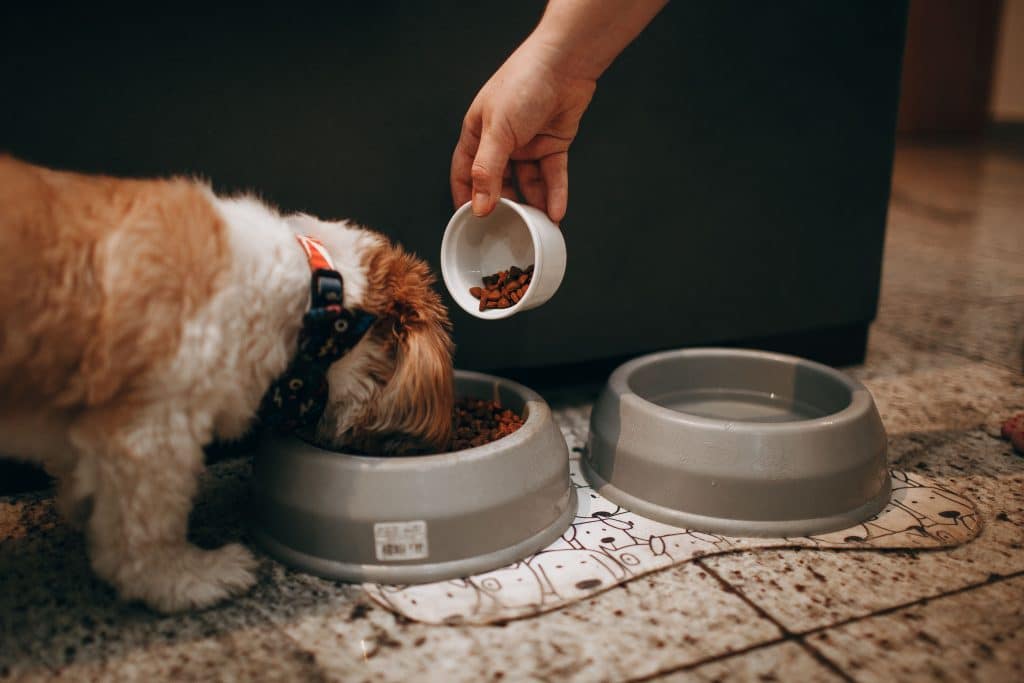
Feeding your pet may seem straightforward, but even well-meaning owners can make mistakes that affect their pet’s health and wellbeing. Nutrition plays a vital role in maintaining a healthy weight, supporting energy levels, and preventing long-term health issues. By understanding common feeding mistakes, you can make better choices and help your pet live a happier, healthier life.
Overfeeding and Portion Control Issues
One of the most common feeding mistakes is giving pets too much food. Many owners rely on visual estimates rather than measuring portions accurately, which can lead to weight gain over time. Obesity in pets can increase the risk of joint problems, diabetes, and heart-related conditions.
To avoid overfeeding, follow the feeding guidelines provided on your pet’s food packaging and adjust portions based on their age, activity level, and overall health. Using a measuring cup or kitchen scale can help ensure consistency. Regular weigh-ins and veterinary checkups can also help you determine whether your pet is maintaining a healthy weight.
Giving Too Many Treats
Treats are a great way to reward good behavior and strengthen the bond between you and your pet. However, excessive treats can quickly add unnecessary calories to their diet. Many pet owners underestimate how much treats contribute to daily calorie intake.
A good rule of thumb is to keep treats to no more than 10% of your pet’s daily calories. Choose healthy options whenever possible and remember that praise, playtime, and affection can be just as rewarding as food-based treats.
Feeding Human Foods Without Research
It can be tempting to share table scraps with your pet, especially when they give you those irresistible pleading eyes. However, not all human foods are safe for animals. Some foods that are harmless to people can be toxic to pets.
Before introducing any new food, take the time to research whether it is safe. Questions such as can cats eat dog treats highlight how important it is to understand the nutritional differences between species. What may be suitable for one animal may not be ideal for another.
Sudden Changes in Diet
Switching your pet’s food abruptly can cause digestive upset, including vomiting, diarrhea, and reduced appetite. Pets often need time to adjust to a new formula, flavor, or brand.
When changing foods, gradually transition over seven to ten days. Start by mixing a small amount of the new food with the old food and slowly increase the proportion each day. This allows your pet’s digestive system to adapt more comfortably.
Ignoring Life Stage Nutritional Needs
A puppy or kitten has very different nutritional requirements than a senior pet. Feeding the wrong type of food for your pet’s age can result in nutrient deficiencies or excesses that impact their health.
Always choose a diet formulated for your pet’s life stage. Growing animals need higher levels of certain nutrients to support development, while older pets may benefit from formulas designed to support joint health, weight management, or reduced activity levels.
Not Providing Enough Fresh Water
Nutrition is about more than food alone. Hydration is essential for healthy organ function, digestion, and overall wellbeing. Some pet owners focus heavily on feeding routines while overlooking water intake.
Make sure your pet always has access to clean, fresh water. Wash water bowls regularly and refill them throughout the day. If your pet seems reluctant to drink, consider additional water stations around the home or incorporating moisture-rich foods into their diet when appropriate.
Feeding Based on Habit Instead of Observation
Pets change over time, and their dietary needs can change as well. A feeding routine that worked perfectly a few years ago may no longer be suitable. Activity levels, health conditions, and aging can all influence nutritional requirements.
Pay attention to your pet’s body condition, energy levels, coat quality, and appetite. Regular veterinary checkups can help identify whether dietary adjustments are needed. Being proactive allows you to make changes before minor issues become bigger health concerns.
Final Thoughts
Proper nutrition is one of the most important aspects of responsible pet ownership. By avoiding common feeding mistakes such as overfeeding, excessive treats, sudden diet changes, and inappropriate food choices, you can help support your pet’s long-term health. Taking the time to understand your pet’s unique nutritional needs will go a long way toward ensuring they enjoy a happy and active life.