
The idea of the American Dream has always been tied to progress. It’s been about owning a home, building a career, and creating a better life than the generation before. But for many people today, that path feels less certain. Millions are beginning to wonder about a growing question: Is the American Dream still alive, or has it simply become harder to reach?
The honest answer is that it hasn’t died. But according to a Rocket Mortgage Survey of house hunters, it has changed significantly, and pretending otherwise doesn’t serve anyone. Let’s explore this shift in more detail to better understand what’s happening at the ground level, and how it’s impacting everything else around it.
What the Dream Used to Look Like
For much of the 20th century, the American Dream had a fairly consistent look and feel. It went like this:
- You graduated from high school or college
- Entered a stable job market
- Got married
- Bought a house in the suburbs
- Raised a family
- Retired with a pension
For most of our nation’s history, the next generation expected to do better than the one before it. That was just a given, based on the trajectory of the economy, job market, etc. It was a byproduct of the entire financial ecosystem.
For one thing, housing was affordable relative to income. A single earner could support a household in many parts of the country. College was also largely accessible without taking on decades of debt. Unfortunately, those conditions no longer exist in the same form. And that shift is at the root of why the dream feels different today.
The Economic Shifts That Changed Everything
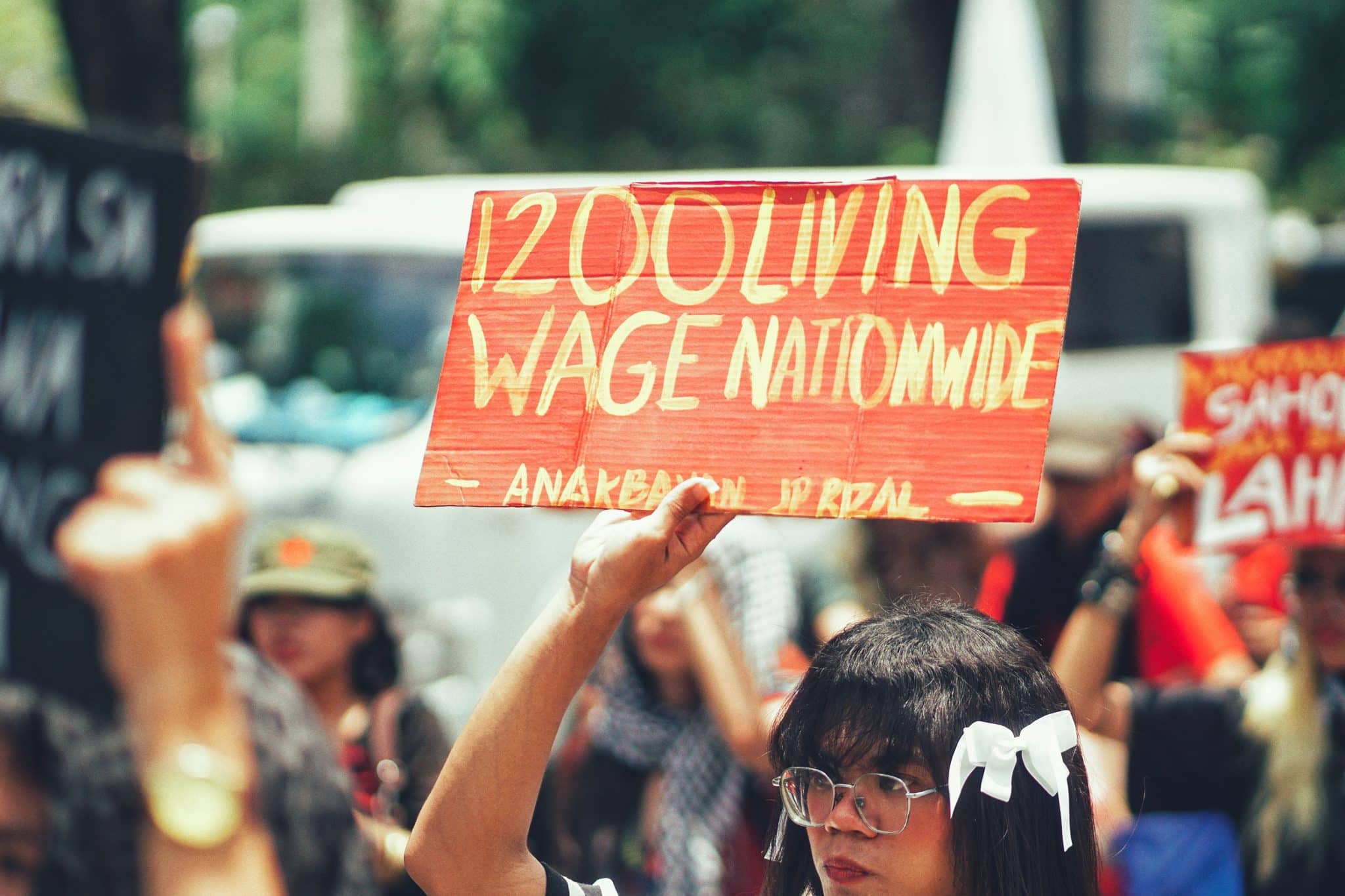
The gap between wages and the cost of living has widened considerably over the past few decades. Housing prices in most major markets have grown way faster than incomes. Plus, college tuition has risen dramatically while the job market for graduates has become much more competitive.
None of this is anyone’s fault, necessarily. These are just structural shifts that have changed the landscape for everyone. And, unfortunately, they’ve fallen hardest on younger generations who entered adulthood after things had already changed. Millennials and Gen Z aren’t struggling because they lack ambition or work ethic. They’re just navigating a different set of conditions than their parents did. (Often without the same safety nets.)
Homeownership in a New Era
Homeownership has always been one of the most tangible symbols of the American Dream, and it’s also where the strain is most visible right now. Rising home prices, higher interest rates, and limited inventory have combined to make the traditional path to ownership difficult for first-time buyers. For many people, the question isn’t just when they’ll buy. It’s if they’ll be able to at all using conventional approaches.
What’s interesting is how people are responding. Rather than giving up on ownership, many younger Americans are rethinking what buying a home looks like. One of the more interesting trends is friends purchasing homes together. They’re doing it as a way to share the financial burden and make the numbers work.
When Rocket Mortgage surveyed potential home buyers, the results pointed to a major shift in how people are approaching co-buying. Roughly 60 percent of respondents indicated openness to purchasing a home with a friend or non-romantic partner. That reflects a major response to a market that has made purchasing a house on your own difficult for many buyers.
The reality is that two incomes make qualifying for a mortgage much more achievable. A shared down payment reduces the upfront barrier, while split housing costs make monthly ownership so much more sustainable. It’s definitely not the way previous generations bought homes, but it’s a creative and practical option today.
The Career Path Has Changed Too
The idea of climbing a single career ladder at one company over forty years is largely something of the past. The modern career path is way more fluid and entrepreneurial than previous models. For example:
- Switching employers (and even career fields) has become a legitimate strategy for income growth.
- Remote work has become the norm in a lot of fields.
- Side businesses and freelance income have become normal supplements.
The trade-off here is stability. A career that gives you flexibility and growth potential also requires you to manage your own benefits and build your own financial safety net. That trade-off suits some people well and others poorly, but it’s the reality of the current landscape.
What the Dream Looks Like Now
The version of the American Dream that’s emerging today looks a lot different than it did in previous decades. That much we know is true. However, it doesn’t mean the dream has ceased to exist. It’s just more fluid than it has been in the past.
At the core, the belief that effort and discipline can move your life forward remains intact. What’s changed is the route. The people who are finding their version of it today are largely the ones who let go of what the path was supposed to look like and are focused on what’s actually possible today.