A home does not suddenly become outdated. It begins with small, something-needs-attention thoughts, when systems feel strained or spaces stop working the way they once did. That shift is often subtle. It is noticed in rising bills, in repairs that come too often, or in the quiet realization that the home is no longer keeping up with daily needs.
A future-ready lifestyle is not built through one major upgrade. It is shaped through thoughtful investments that support comfort, efficiency, and long-term stability. These choices are not rushed. They are considered, measured, and aligned with what the home will require in the years ahead.
When Today’s Comfort Starts Hinting At Tomorrow’s Needs
Comfort is often taken for granted until it begins to change. A home that once felt balanced may start showing signs of wear. Temperature shifts become noticeable. Maintenance becomes frequent. These signals suggest that adjustments are needed.
Have you ever wondered why some homes age gracefully while others struggle to keep up? The answer often lies in early investment decisions. When homeowners begin to think ahead, they move beyond quick fixes and start planning for durability.
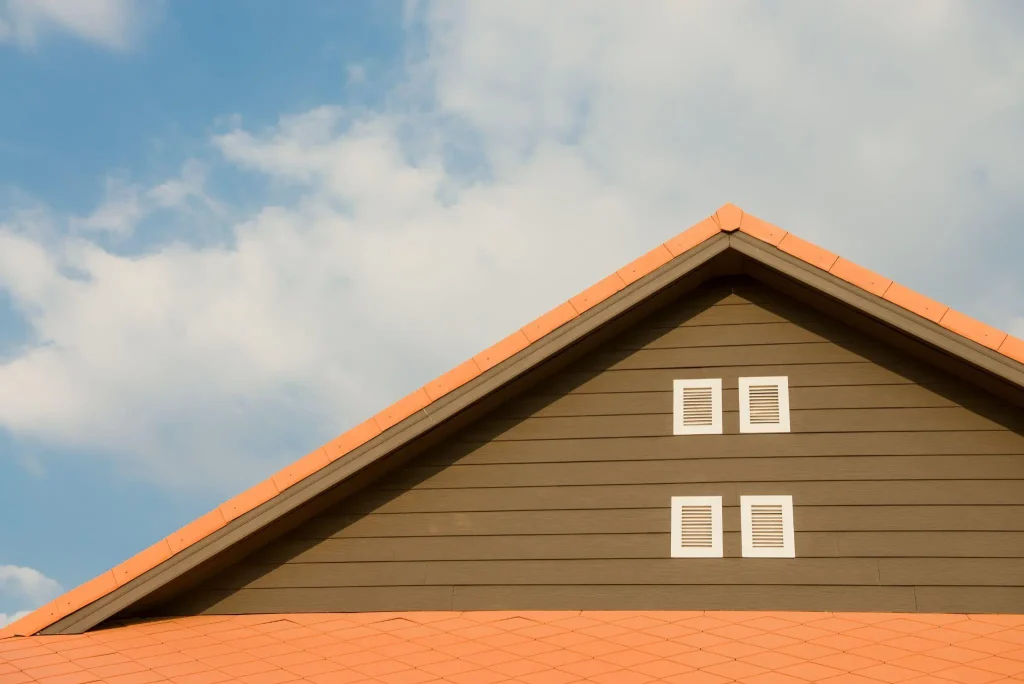
Consider a homeowner who notices small leaks during heavy rain. The issue is patched temporarily, though it keeps returning. Instead of repeating repairs, a long-term solution is chosen, such as installing new roof systems to improve protection and efficiency. That decision does more than fix a problem. It prepares the home for future conditions.
A future-ready lifestyle begins when attention shifts from reacting to planning. It is not about waiting for problems to appear. It is about preventing them before they take shape.
Investing Smart Without Overcomplicating It
Home investments do not need to feel overwhelming. When approached with clarity, they become manageable. The focus should remain on what adds lasting value rather than temporary convenience.
Priorities must be defined early. Structural integrity, energy efficiency, and system reliability often come first. These areas support the entire home. When they are strong, everything else becomes easier to maintain.
A homeowner deciding between cosmetic upgrades and functional improvements may feel uncertain. A new paint job may improve appearance, though upgrading insulation or roofing strengthens the home itself. That distinction matters.
Is it better to invest in what looks good now, or in what performs well for years? That question often guides smarter decisions.
Planning also involves timing. Upgrades should not all be done at once. They should be scheduled in phases, allowing each improvement to be completed properly. This approach reduces stress and ensures that resources are used effectively.
The Core Upgrades That Truly Matter
Not all home investments carry the same impact. Some upgrades create immediate improvement, while others support long-term performance. Knowing the difference helps homeowners focus on what truly matters.
Key areas often include:
- Structural improvements that strengthen the foundation
- Roofing upgrades that improve durability and protection
- Energy-efficient systems that reduce long-term costs
- Insulation enhancements that maintain indoor comfort
- Ventilation systems that improve air quality
These investments create a solid base. They reduce the need for frequent repairs. They also improve how the home responds to environmental changes.
A homeowner who focuses on these areas builds a property that performs reliably. The home becomes easier to manage. Maintenance becomes less frequent. Comfort becomes more consistent.
Adapting Spaces With Purpose and Flexibility
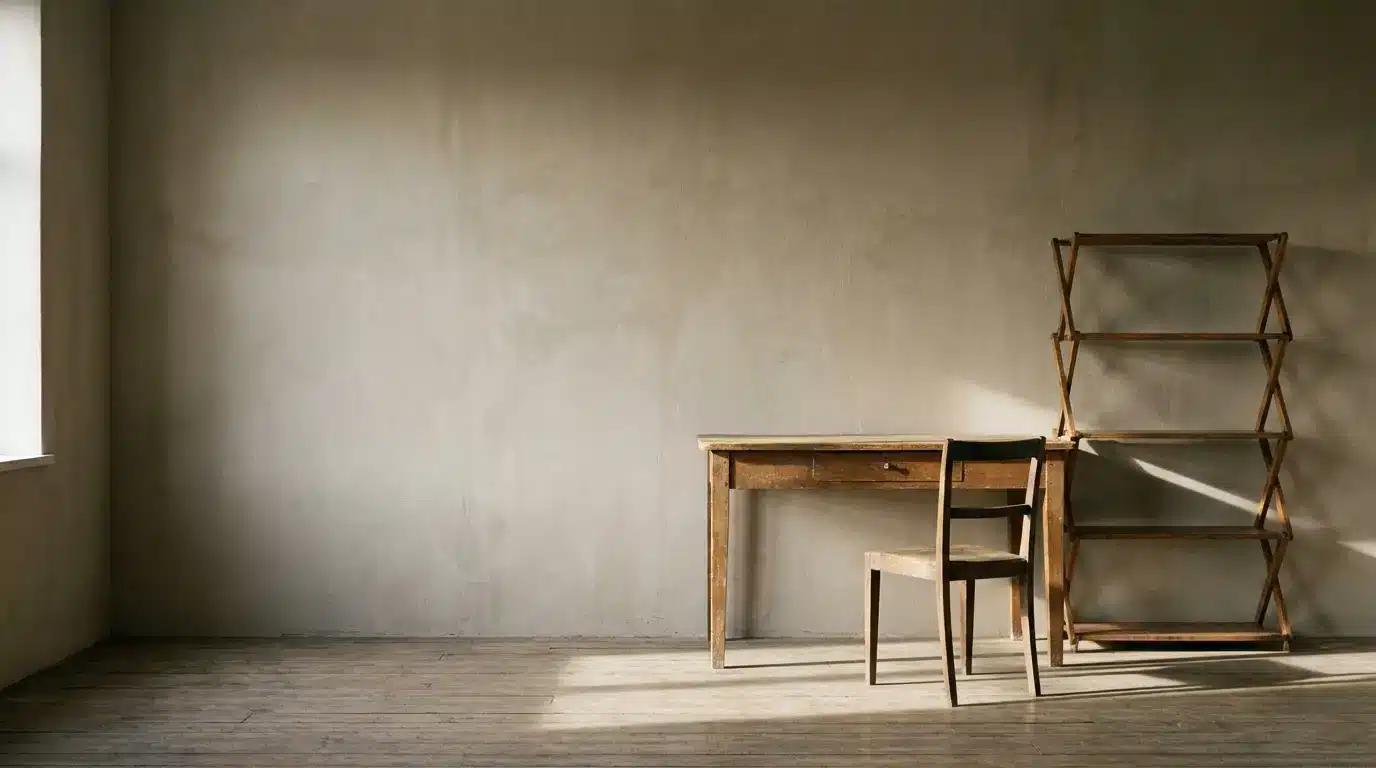
A future-ready home must adapt to changing needs. Spaces that serve one purpose today may need to serve another tomorrow. Flexibility becomes an important part of long-term planning.
Picture a family adjusting to new routines. A spare room becomes a workspace. Storage needs increase. Layouts are reconsidered. Without adaptable spaces, these changes create stress.
Smart design choices allow spaces to shift without major renovations. Multi-use areas, efficient storage solutions, and thoughtful layouts support this adaptability. They allow the home to evolve without losing functionality.
Have you considered how your current space would handle a major change in routine? That question highlights the importance of flexibility.
Adaptability does not require constant remodeling. It requires thoughtful planning that allows spaces to serve multiple roles when needed.
Managing Costs Without Losing Long-Term Value
Cost is often the first concern when planning home investments. Budgets must be respected, though cutting corners can create bigger expenses later. A future-ready approach requires balance. Spending should be controlled, though quality should not be compromised.
Short-term savings may feel appealing, though they often lead to repeated repairs. A lower-cost material might solve a problem temporarily, though it may fail sooner than expected. This creates a cycle where money is spent again and again. Breaking that cycle requires a shift in thinking.
Consider a homeowner choosing between a basic repair and a durable upgrade. The repair costs less upfront, though it needs attention every year. The upgrade requires a higher initial investment, though it lasts much longer. Over time, the upgrade proves more efficient. That scenario highlights the value of thinking beyond immediate costs.
Have you noticed how repeated small expenses can add up quickly? That pattern often points to decisions made without long-term planning.
Managing costs effectively means focusing on value rather than price alone. When investments are made with durability in mind, the home becomes easier to maintain. Expenses become more predictable. And the overall lifestyle becomes more stable.
Building a Lifestyle That Stays Ahead
A future-ready lifestyle is not defined by constant upgrades. It is defined by the ability to stay ahead of change. When investments are made with intention, the home remains stable even as conditions shift.
Consistency plays a role here. Maintenance must continue after upgrades are completed. Systems must be monitored. Small adjustments must be made when needed. These actions protect the value of earlier investments.
What defines a home that stands the test of time? It is not just its appearance. It is its ability to perform under changing conditions.
A well-prepared home supports daily life without disruption. It reduces unexpected repairs. It creates an environment where comfort is reliable.
When homeowners invest with purpose, they build more than a structure. They create a lifestyle that adapts, supports, and continues to perform. And that is what defines a future-ready home.