
How did a young athlete from Oklahoma become one of the richest names in country music history?
Garth Brooks built an empire that extends far beyond hit songs and sold-out concerts.
His financial success story combines smart career moves, calculated risks, and business decisions that set him apart from his peers.
From his early struggles to landing a record deal to becoming a household name, his path offers lessons in perseverance and strategy.
In this blog, I’ll show you how Brooks accumulated his massive fortune and where he stands among other country music legends today.
What Is Garth Brooks’ Current Net Worth?
Garth Brooks holds a net worth of $400 million as of 2026. This amount includes assets shared with his wife, country singer Trisha Yearwood.
However, Brooks personally accounts for $300 to $350 million of this total. Sources like Celebrity Net Worth confirm this makes him one of country music’s richest artists.
Annual Earnings Breakdown
- Touring years: Up to $90 million
- Non-touring periods: Around $45 million
His wealth stems from selling albums worldwide. Record-breaking tours and lasting catalog value keep his finances strong. Market changes rarely affect his stable financial position.
How Garth Brooks Built His Wealth?
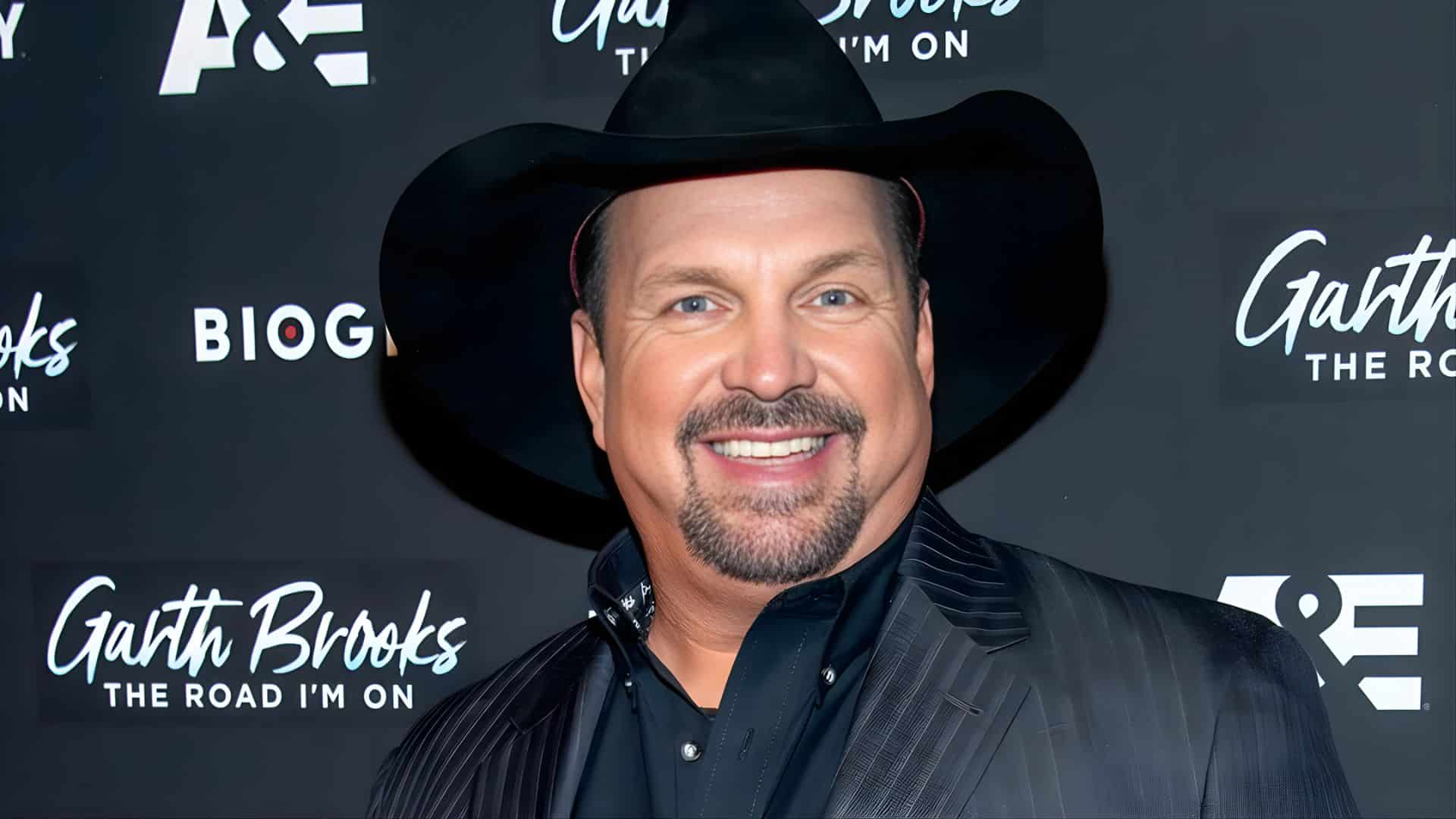
Brooks built his core fortune through album sales and live concerts. He holds the title of best-selling solo artist in U.S. history.
His catalog includes over 162 million albums sold worldwide. This generates ongoing royalties that form his financial foundation.
Major Album Milestones:
- No Fences sold 17 million copies
- Ropin’ the Wind became the first country album to debut at #1 on the Billboard 200
Concert Revenue: His 2014 to 2017 World Tour brought in $364 million. Stadiums consistently set new attendance records across the country.
His blend of rock and country attracted fans from both genres. Planned comebacks after his 2001 hiatus kept revenue streams flowing. This mix of records and tours formed the base of his long-term success.
What Are the Other Sources of His Income?
Beyond music and touring, Brooks earns income from several separate ventures. These non-music sources support his wealth during periods without touring.
Additional Income Sources:
✓ Merchandise Sales: Concert and residency products generate substantial revenue.
✓ Brand Endorsements: His star power attracts lucrative partnership deals.
✓ Streaming Royalties: Limited releases maintain exclusivity and boost value.
✓ Catalog Licensing: Usage rights provide ongoing passive income.
These diverse revenue channels ensure steady cash flow during non-touring periods. Each source contributes to his financial stability without overlapping with his primary music career earnings.
Career Breakthrough and Rise in Country Music
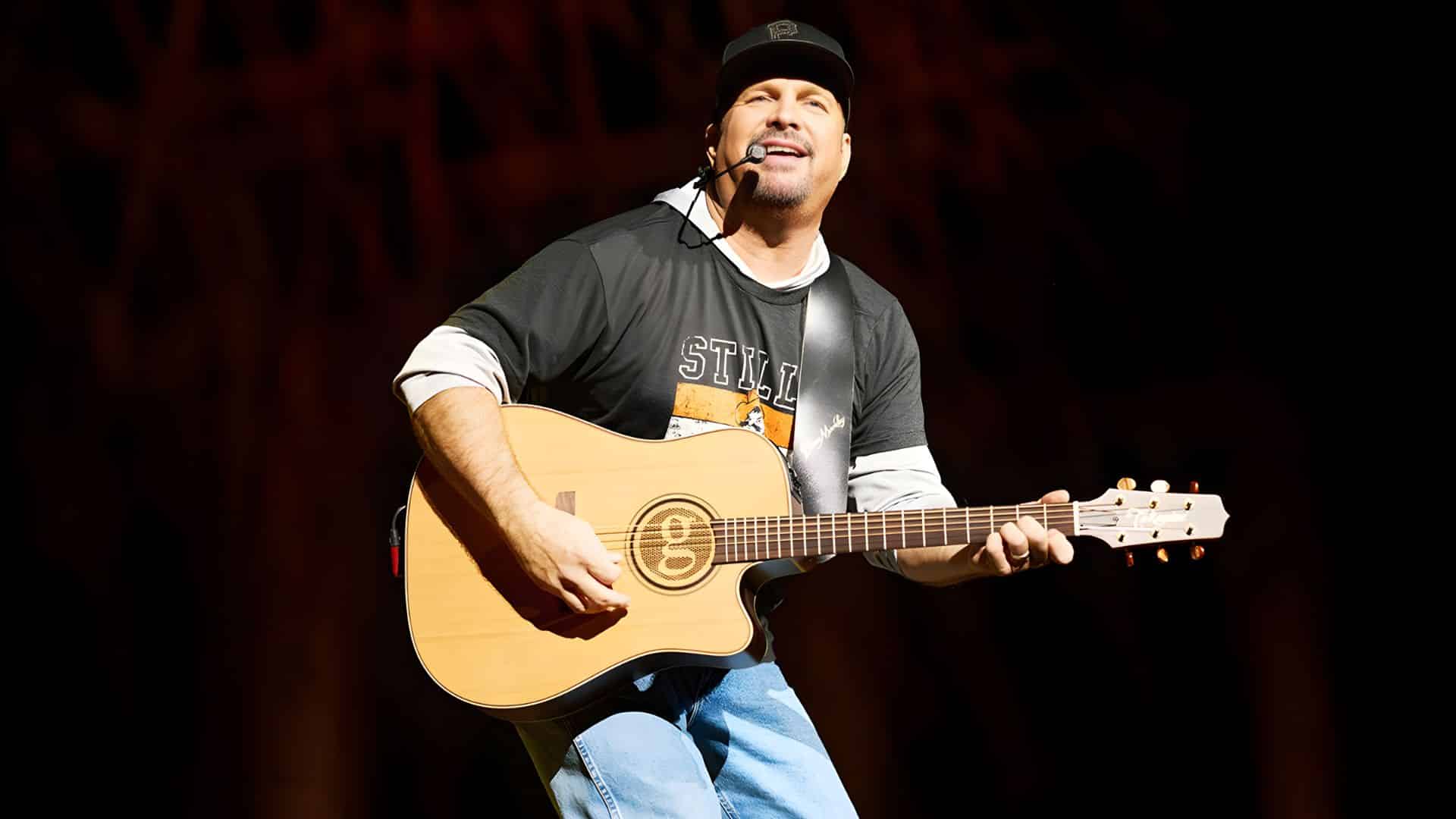
Brooks released his first album in 1989 through Capitol Records. The self-titled debut produced four Top 10 hits and launched his career successfully.
No Fences arrived in 1990 and sold 17 million copies. His 1991 release Ropin’ the Wind debuted at #1 on the Billboard 200.
1990s Achievements:
→ Seven CMA Entertainer of the Year awards
→ 148 million U.S. albums sold
→ High-energy arena shows with pyrotechnics
His rock-influenced performances attracted a wider and younger audience. This crossover appeal reshaped country music and defined his artistic identity.
Garth Brooks Diversified Investment
Brooks expanded his portfolio beyond performing and recording music. His business ventures span multiple industries and provide long-term financial security.
Business Ventures:
Pearl Records gives him full creative control over releases. His independent label generates higher profit margins than traditional recording contracts.
GhostTunes was co-founded to support fair artist royalties. This online music store reflected his commitment to improving industry payment structures.
Strategic Investments:
Real estate holdings include luxury homes and appreciating properties. These assets provide stable value growth and contribute to his overall wealth portfolio.
Early entrepreneurial work included managing a cowboy boot store. This experience demonstrated his business instincts before achieving fame in music.
Early Life & Career Beginning
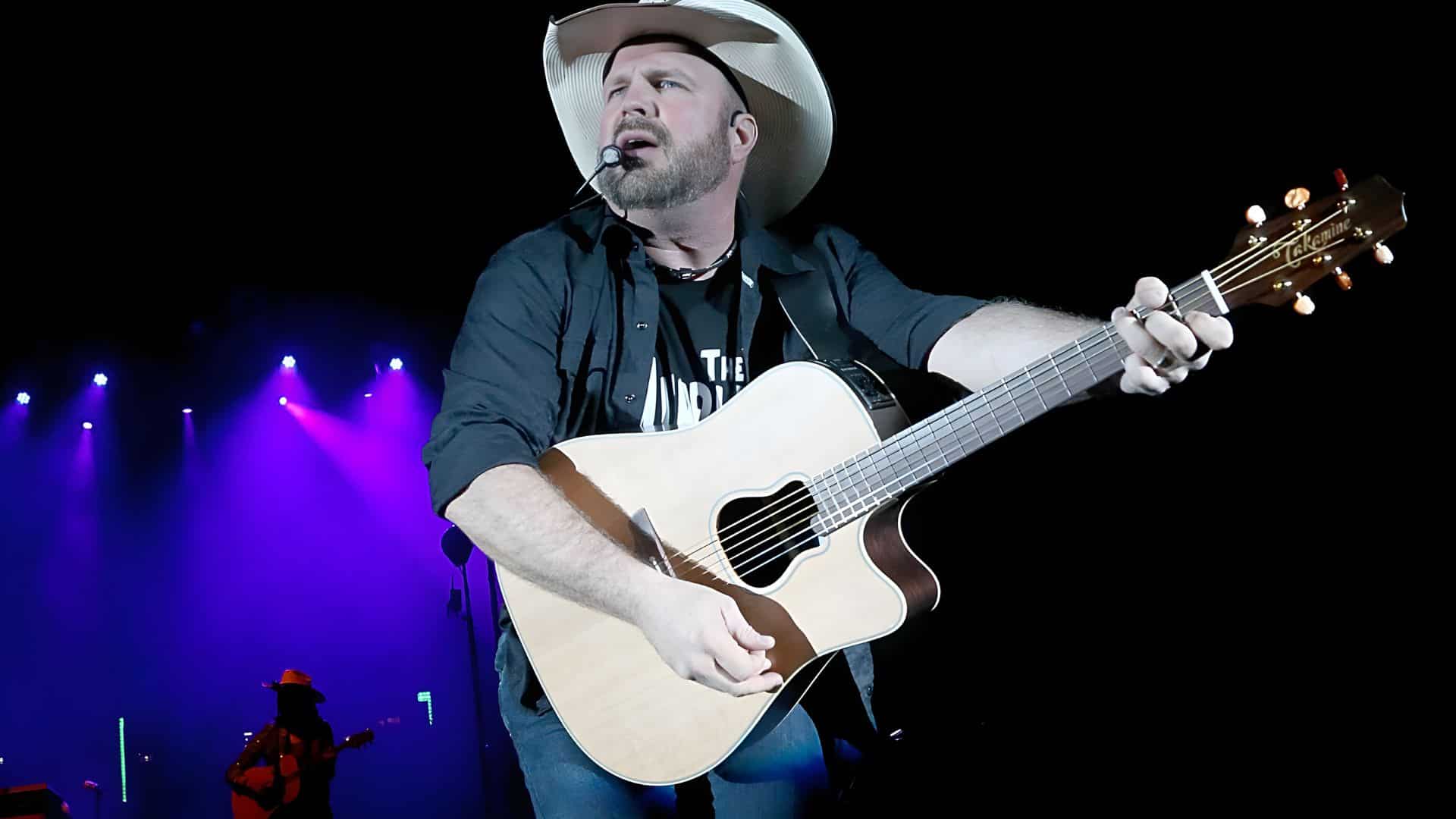
Garth Brooks was born on February 7, 1962, in Tulsa, Oklahoma. He grew up as the youngest of six children in a musically inclined family.
Early Influences & Education:
→ Mother: Former Capitol Records singer who inspired his musical passion
→ Athletics: High school track star who earned a javelin scholarship
→ Education: Graduated from Oklahoma State University in 1984 with an advertising degree
Post-college, Brooks performed at local bars with his band Santa Fe. A 1985 trip to Nashville failed to secure a record deal, leaving him disappointed and heading back to Oklahoma.
Personal Life & Breakthrough:
- Married Sandy Mahl in 1986
- Welcomed three daughters
- Returned to Nashville in 1987 with fresh determination
- Signed with Capitol Records in 1988
This persistence changed him from a local bar performer into a signed professional artist ready for national stardom and commercial success.
Garth Brooks Net Worth Compared to Other Country Singers
Brooks ranks among country music’s wealthiest artists at $400 million in 2026. His fortune places him in the top three alongside industry legends.
| Rank | Singer | Net Worth (2026) |
|---|---|---|
| 1 | Dolly Parton | $650–675 million |
| 2 | Shania Twain | $400–410 million |
| 3 | Garth Brooks | $400 million |
| 4 | George Strait | $300 million |
| 5 | Kenny Chesney | $180 million |
Dolly Parton leads through business ventures and Dollywood theme park ownership. Shania Twain consistently matches Brooks in record sales and in successful Las Vegas residency performances.
Disclaimer: The information shared here is based on publicly available sources and current estimates. This content is for general informational purposes only and should not be taken as exact or official data.
Wrapping It Up
Garth Brooks proves that talent alone doesn’t create lasting wealth in the music industry.
His financial empire rests on multiple pillars that work together to create stability and growth over decades.
Smart investments, strategic career decisions, and diverse income sources separate him from artists who rely solely on record sales or touring revenue.
While he ranks near the top of country music’s richest performers, his approach to building and protecting wealth offers valuable insights for fans and aspiring artists alike.
His story shows how combining artistic excellence with business intelligence creates lasting success.
What aspects of his financial strategy surprise you most? Share your thoughts in the comments below!