
Capital punishment in America is not a national policy in any practical sense; it is a patchwork of state decisions, political climates, and legal cultures that produce wildly different outcomes depending on where a condemned inmate happens to be housed.
Twenty-seven states still authorize the death penalty, but only a small handful actually carry out executions with any regularity.
The rest either have moratoriums in place, lack the legal infrastructure to move cases forward, or choose not to act on the sentences their courts hand down.
The result is a system where geography, more than any other single factor, determines whether a death sentence ever becomes an execution.
Texas: The Undisputed Leader All-Time
No state comes close to Texas when it comes to total executions carried out since the death penalty was reinstated in 1976. Texas has executed more than 590 inmates in that period, over a third of the entire national total.
Oklahoma ranks second with around 126 executions, followed by Virginia with 113, though Virginia abolished the death penalty in 2021 and will carry out no more.
Florida sits fourth with over 100 executions, and Missouri and Alabama round out the top six.
Together, just seven states account for roughly 75% of every execution carried out in the United States since 1976, according to the Death Penalty Policy Project.
What sets Texas apart is not just volume but pace. The state averages over 11 years between sentencing and execution, significantly less than the national average, which has climbed past 19 years.
This is partly due to Texas lacking a statewide public defender system, which affects the quality and speed of appellate representation, and partly due to its elected appellate judges, who tend to move capital cases more efficiently than appointed counterparts in other states.
For inmates like Eric Lyle Williams, sentenced to death in December 2014 for the murders of Kaufman County DA Mike McLelland, his wife Cynthia, and prosecutor Mark Hasse, Texas’s track record makes the question of when, not if, loom large.
2025: Florida Surges to the Front
While Texas holds the record, the current picture looks somewhat different. In 2025, Florida emerged as the most active executing state, carrying out nine executions in a single year, the most of any state.
Texas and South Carolina followed with four each, while Alabama executed three and Oklahoma and Tennessee two apiece. In total, 47 people were executed across the United States in 2025, making it the highest annual total since 2009.
Several forces drove this surge. Florida Governor Ron DeSantis signed death warrants at an unprecedented pace, working through a backlog of cases that had stalled during the COVID-19 pandemic and prior moratorium periods.
Political momentum also played a role. President Trump signed an executive order upon returning to office in January 2025, directing state attorneys general to pursue the death penalty more aggressively, particularly in cases involving law enforcement officers or undocumented individuals charged with capital offenses.
The order also promised federal assistance in securing lethal injection drugs, removing a supply-chain obstacle that had delayed executions in multiple states.
New execution methods have been added to the activity.
Alabama and Louisiana authorized nitrogen gas as an execution method, and South Carolina reintroduced firing squads, carrying out three such executions in 2025, the first in the country since 2010.
These shifts opened pathways for states that had previously been blocked by drug shortages or legal challenges tied specifically to lethal injection protocols.
Many of the inmates executed in 2025 had been on death row for 20 years or more; their executions were a delayed consequence of death sentences handed down in the 1990s and early 2000s.
These death row wait times tell a striking story about how long it can take for justice to arrive.
Why Most Death Penalty States Rarely Execute Anyone
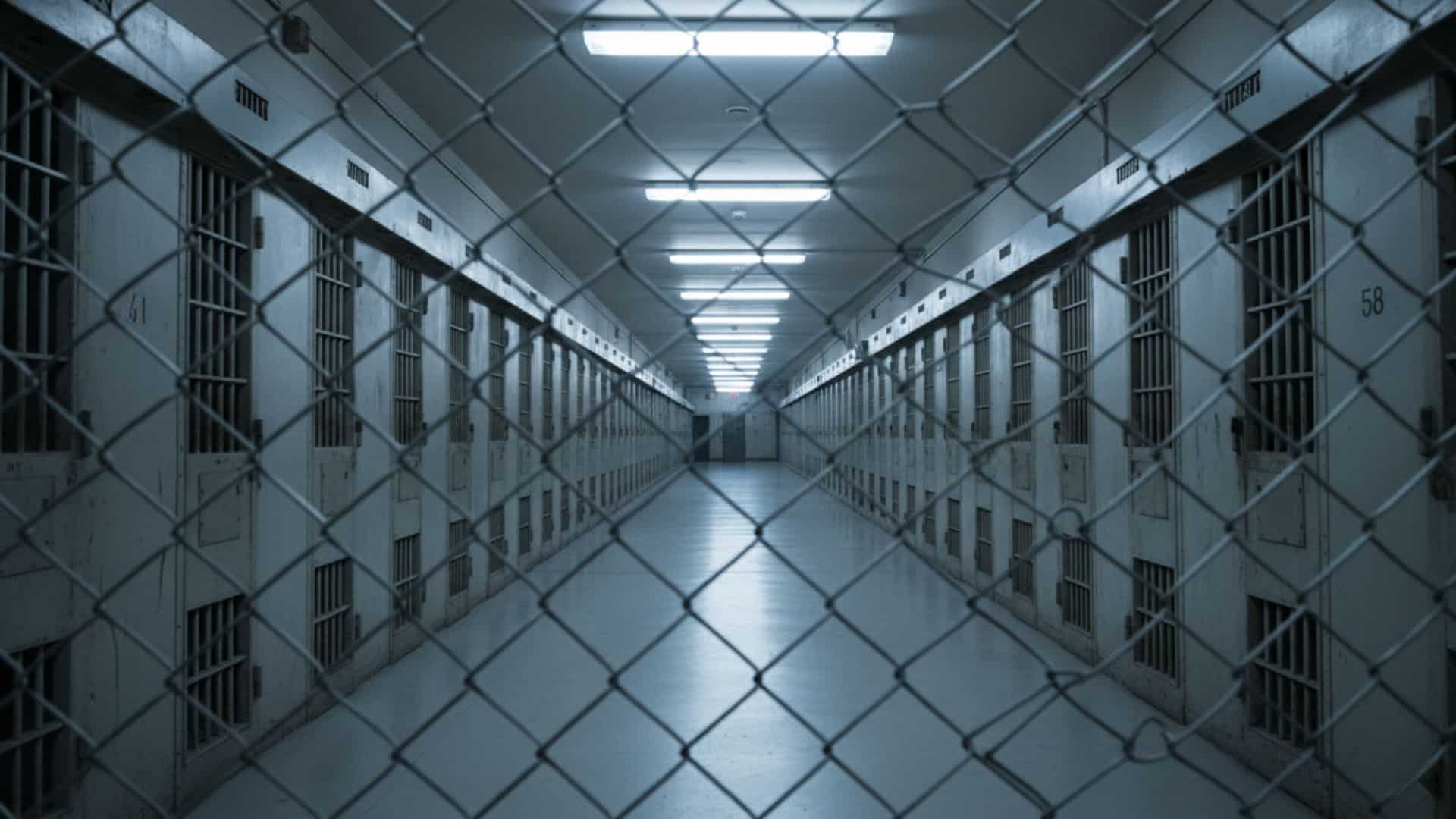
The gap between states that authorize the death penalty and those that actively use it is enormous.
California has the largest death row population in the country, nearly 600 inmates, yet has not carried out a single execution since 2006 and remains under a formal moratorium.
Pennsylvania has over 100 inmates on death row and has not executed anyone since 1999. Ohio halted all executions in 2019 over concerns about its drug protocol and has not resumed.
This creates a situation where the death penalty functions less as an active punishment and more as a permanent legal status for hundreds of inmates who are unlikely ever to be executed under current conditions.
The prolonged delays’ reasons are rooted in the same legal, political, and logistical factors that have pushed national averages to levels not seen in more than two decades.
Still, in the least active states, those factors have effectively brought the machinery of capital punishment to a standstill.
Conclusion
Today, the answer to which state executes the most death row inmates depends on the timeframe.
Historically, Texas dominates by a wide margin.
At the moment, Florida has taken the lead, driven by political will and a backlog of long-pending cases.
Both states share a consistent willingness to move capital cases forward. This willingness sets them apart from the majority of death penalty states, where condemned inmates grow old waiting for a fate that may never come.