A death sentence does not end the legal process; it restarts it. As of 2021, the average American death row inmate had spent more than 20 years behind bars before execution, exoneration, or death by natural causes.
In 1984, that figure was just over six years.
Cases like that of Eric Lyle Williams, the former Texas justice of the peace sentenced to death in December 2014 for the murders of DA Mike McLelland, his wife Cynthia, and prosecutor Mark Hasse, show exactly how this plays out.
Over a decade later, Williams remains on death row with no execution date set.
So what is causing these extraordinary delays?
The Multi-Layered Appeals Process
The single biggest driver of long death row stays is the appellate process, which is not just permitted under American law; it is built into it.
After a death sentence is handed down, the condemned inmate automatically enters a series of mandatory and voluntary legal reviews that can span well over a decade on their own.
The first stage is the direct appeal, in which the defendant challenges errors made during the original trial, such as jury selection issues, improper evidence, or judicial misconduct.
This appeal goes to the state’s highest criminal Court. If it fails, the defendant can then petition the U.S. Supreme Court to review the case, though the Court accepts only a tiny fraction of these petitions.
The second stage is state post-conviction review, sometimes called a collateral appeal.
This is where entirely new claims can be introduced, claims that weren’t part of the original trial record. Ineffective assistance of counsel is one of the most common claims raised at this stage.
So is newly discovered evidence, or evidence that prosecutors withheld material information. These proceedings can take years to schedule, and the litigation that follows can extend for many more.
The third stage is the federal habeas corpus petition, filed in a federal district court.
This allows the condemned person to argue that their constitutional rights were violated at some point in the state proceedings.
Federal habeas litigation is notoriously slow. Courts are backlogged, lawyers take time to build extensive records, and rulings can be appealed all the way up through the federal circuit courts and, once again, to the U.S. Supreme Court.
Each of these stages involves briefings, hearings, responses, and waiting. It is not uncommon for an inmate to spend five to seven years in a single stage of this process.
Challenges Beyond the Courtroom
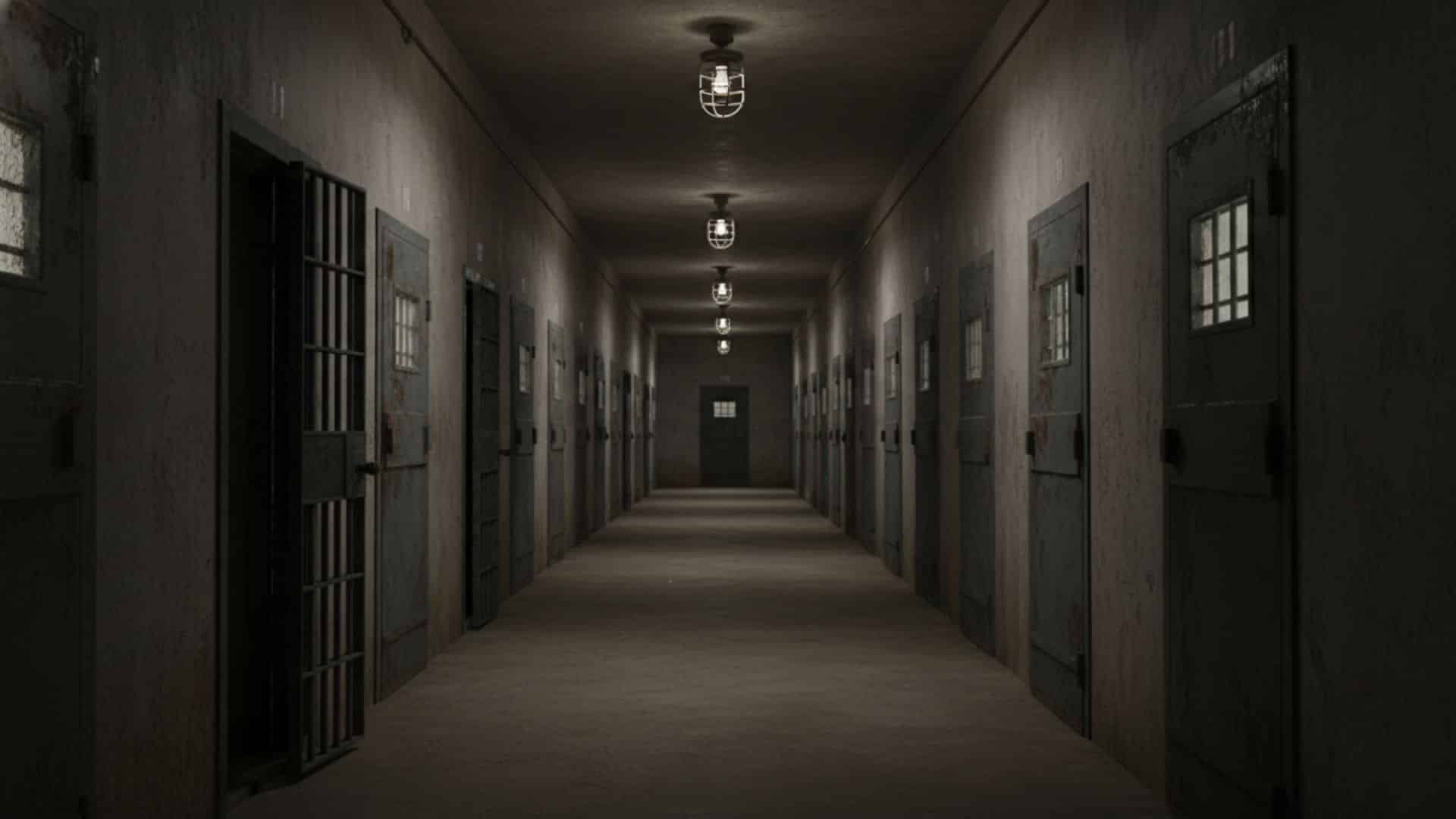
The legal appeals system alone does not account for all the delays.
Several additional factors have pushed death row wait times even further, and each one reveals a different crack in how America administers capital punishment.
One major factor is mental competency. The U.S. Supreme Court has ruled that the government cannot execute a person who does not understand that they are about to be executed and why.
This means that if an inmate develops severe mental illness or cognitive decline during their time on death row, which is increasingly common as the prison population ages, the execution must be paused until competency is restored or the Court resolves the issue. In some cases, this process adds years.
Another growing factor is the lethal injection drug shortage. Since the early 2010s, European pharmaceutical companies have restricted the export of drugs used in lethal injections, citing ethical objections.
American states have scrambled to find alternative drug suppliers, often relying on compounding pharmacies whose products face legal challenges from defense attorneys.
When courts grant stays to examine whether a particular drug cocktail constitutes cruel and unusual punishment under the Eighth Amendment, executions can be delayed for months or years while the litigation plays out.
Legislative and political changes also play a role. When a new governor takes office who opposes capital punishment, moratoriums may be declared.
When courts identify systemic problems in how a state handles death penalty cases, all executions in that state may be halted pending review.
California, for instance, has had formal or informal moratoriums that have affected hundreds of death row inmates for extended periods.
The Growing Reality of Dying Before Being Executed
One of the most striking consequences of these prolonged waits is that a significant number of death row inmates never reach the execution chamber at all, not because they were exonerated, but because they died first.
Nearly a quarter of all inmates on death row in the United States die of natural causes while awaiting execution, according to Wikipedia’s synthesis of Bureau of Justice Statistics data.
In California, more death row inmates have died from natural causes or suicide than from state-ordered executions since 1978.
The average age of death row inmates nationally was 51 as of 2020, according to the Bureau of Justice Statistics.
Many of these individuals were arrested in their twenties or thirties and have spent so long in the system that they are now elderly, suffering from chronic illness, and costing the state substantially more in medical care than younger inmates.
A System Still Wrestling With Itself
The long wait on death row is not accidental. It is the byproduct of a legal system that has tried, imperfectly, to balance the finality of execution with the demand for certainty.
Every additional layer of review was added in response to a real failure of an innocent person wrongly condemned, a constitutional right that went unprotected, a process that moved too fast to catch its own errors.
For inmates like Eric Lyle Williams, the wait continues.
For the families of victims like Mike and Cynthia McLelland and Mark Hasse, the wait continues too.
And for a justice system still unable to agree on what capital punishment should look like, the delays are likely to grow longer still.
Frequently Asked Questions
What Is the Craziest Last Meal Request from Death Row?
Weirdest death-row last meals range from single, unusual items like a single olive or a lump of dirt to massive, excessive feasts like 20 tacos and 20 enchiladas, or KFC.
What Is the Longest Time Spent on Death Row?
The record for the world’s longest-serving death row inmate belongs to Iwao Hakamada of Japan, who spent 46 years on death row.
Why Do They Execute People at Midnight?
Death row inmates are often executed around midnight (specifically 12:01 AM) to utilize the single-day validity of death warrants.