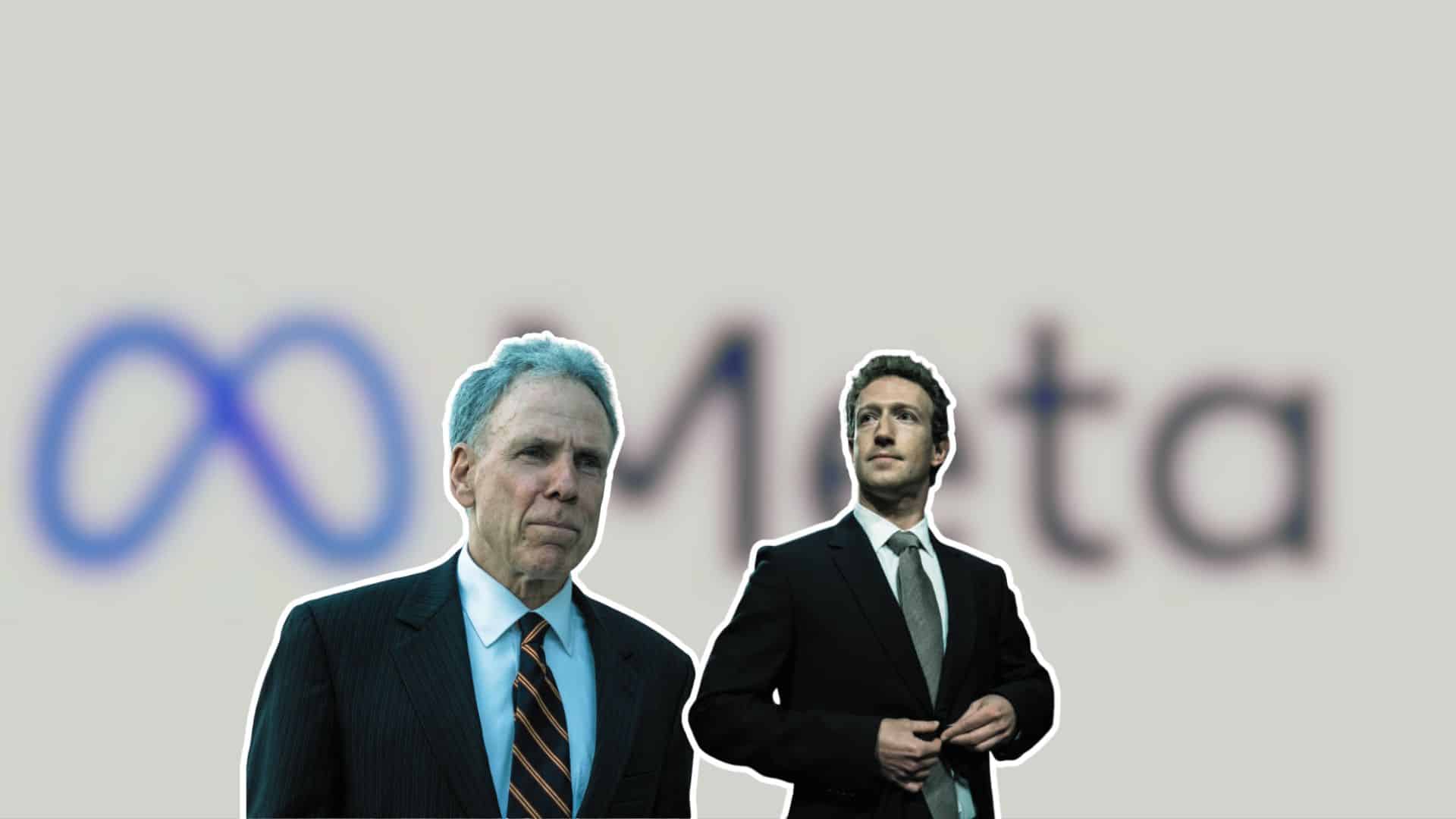
In April 2025, Meta CEO Mark Zuckerberg walked into a federal courthouse in Washington, D.C. and took the witness stand.
The case was one of the most serious legal threats Meta had ever faced. The Federal Trade Commission sought a court order forcing the company to sell Instagram and WhatsApp. A loss could have cut Meta’s advertising revenue in half.
The outcome came down, in large part, to the quality of the legal team. Meta won. Here is who Mark Zuckerberg’s lawyer is and why that choice made a real difference.
Who Is Mark Zuckerberg’s Lawyer?
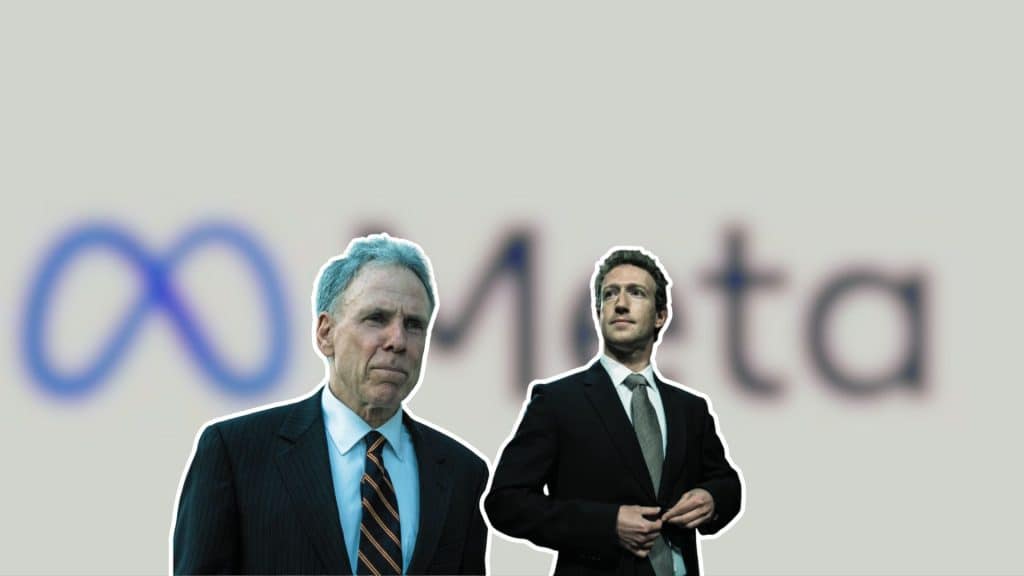
Mark Hansen is the lead outside attorney representing Mark Zuckerberg and Meta in major litigation.
Hansen is a name partner at Kellogg, Hansen, Todd, Figel and Frederick, a litigation firm based in Washington,n D.C.
The firm was founded in 1993 by Hansen and two Harvard Law School classmates. Supreme Court Justice Neil Gorsuch is among its former associates, having worked there for 10 years.
Elite litigation at this level does not come cheap. Attorneys like Alex Spiro,who charge up to $3,000 per hour for high-profile defense work, sit in the same tier of the legal market as Kellogg Hansen.
Kellogg Hansen represented Meta across multiple stages of the FTC dispute. For this trial, Hansen served as lead trial counsel alongside partners Aaron Panner, Leslie Pope, and Alex Parkinson.
What Was the FTC Case Against Meta?
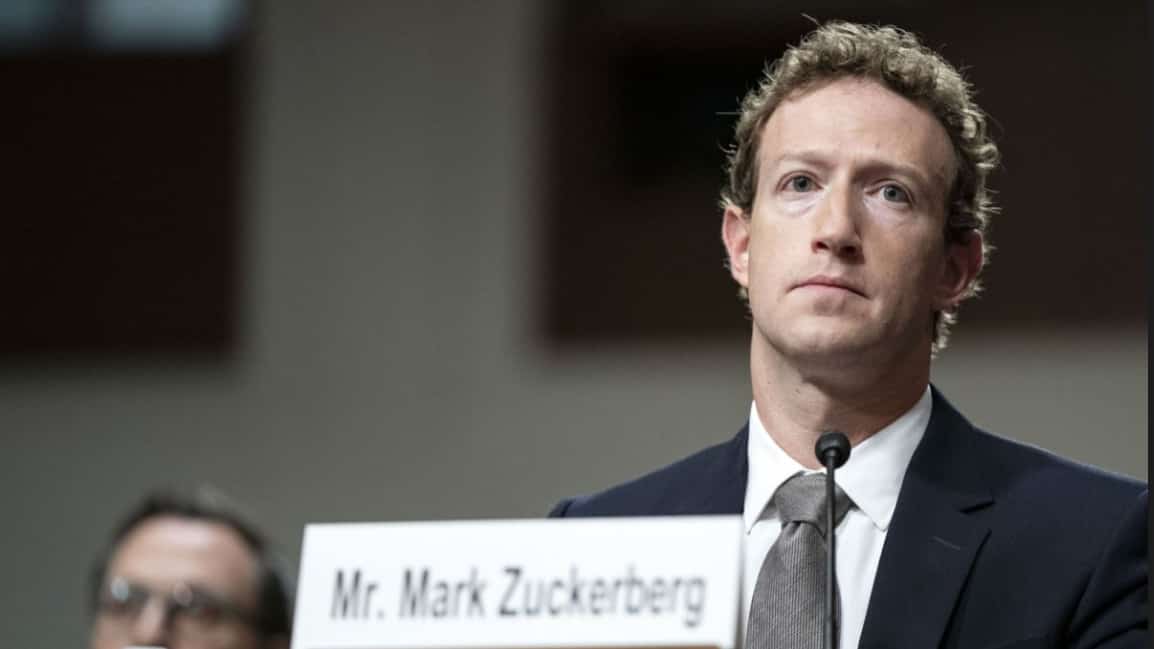
The Federal Trade Commission filed its antitrust lawsuit against Meta in December 2020.
The FTC claimed Meta had illegally built a monopoly in “personal social networking.” It argued Meta did this by acquiring Instagram in 2012 for $1 billion and WhatsApp in 2014 for $19 billion.
The goal, according to the FTC, was to buy out rivals rather than compete with them.
If the FTC had won, a judge could have forced Meta to spin off both apps. That would have threatened the business behind over $160 billion in annual advertising revenue.
The case had a long path. A judge dismissed the initial complaint in 2021. The agency filed an updated version. That version survived a second dismissal attempt. The trial finally began on April 14, 2025.
What Did Hansen Argue in Court?
Hansen led Meta’s defense with a direct strategy.
In opening statements, he called the FTC’s case a “grab bag” of theories that were “at war with facts and at war with the law.”
His main arguments were:
- Meta is not a monopoly. It has never charged users for its apps and faces real competition from TikTok, YouTube, and other platforms.
- The FTC’s market definition was too narrow. Excluding TikTok and YouTube from the competitive market made the numbers look far worse for Meta than they actually were.
- The acquisitions improved both apps. Instagram and WhatsApp have grown significantly under Meta’s ownership.
Hansen also pushed back in internal emails the FTC used as evidence, arguing they reflected early-stage thinking rather than a final plan to eliminate competition.
What Was the Final Outcome?
Meta won.
U.S. District Judge James Boasberg ruled in Meta’s favor in November 2025. He found the FTC had failed to prove Meta illegally held a monopoly.
His ruling noted that the social media market had shifted dramatically since 2020. TikTok, which did not even appear in the original complaint, had become what the judge called Meta’s “fiercest rival.”
Kellogg Hansen partner Aaron Panner later described it as a massive team effort. Led by Hansen, the legal team worked closely with Meta’s in-house counsel to build the factual record needed to win a trial of that scale.
Why the Choice of Lawyer Matters
For a company the size of Meta, which gets hired to fight legal battles, it shapes the outcome before the first witness takes the stand.
Hansen and Kellogg Hansen fit this case for clear reasons. The firm has handled major antitrust battles for decades. It already had a working relationship with Meta from earlier stages of the same dispute.
And unlike many large firms, it goes to trial when needed.
This pattern holds across major legal fights involving high-profile figures. Alec Baldwin, for example, spent nearly three years fighting a criminal charge in the Rust shooting case. His entire case was dismissed with prejudice after his lawyer exposed withheld evidence during cross-examination, a result that legal observers called some of the sharpest courtroom work they had seen in years.
Conclusion
Mark Zuckerberg’s lawyer for Meta’s landmark antitrust case was Mark Hansen of Kellogg, Hansen, Todd, Figel, and Frederick. Hansen led a defense that produced a full win for Meta in November 2025.
The FTC had argued that Meta was a monopoly and wanted it broken up. Hansen’s team showed the market was far more competitive than the government claimed. Judge Boasberg agreed.
For Zuckerberg, the right legal team protected the future of a trillion-dollar company. In high-stakes litigation, who gets hired matters just as much as the facts of the case.
Frequently Asked Questions
Who is Mark Zuckerberg’s lawyer?
Top-tier attorneys at major law firms represent Mark Zuckerberg. His legal team handles antitrust cases, privacy lawsuits, and government investigations involving Meta.
Why does Zuckerberg need a high-profile lawyer?
Meta faces major legal battles, including antitrust suits and data privacy cases. A powerful lawyer helps protect the company and Zuckerberg’s personal interests in court.
How does a lawyer’s reputation affect Zuckerberg’s legal cases?
A well-known lawyer brings credibility and courtroom experience. This can influence settlement outcomes, public perception, and judges’ and regulators’ responses to Meta’s defense.