Steakhouses have earned admiration for their skill in preparing meat dishes that captivate diners. This reputation rests on expertise, care, and respect for ingredients. Learning what sets steakhouse cooking apart reveals methods and traditions that inspire both chefs and guests. Mastering these techniques requires practice, attention, and a dedication to quality.
Selecting Premium Ingredients
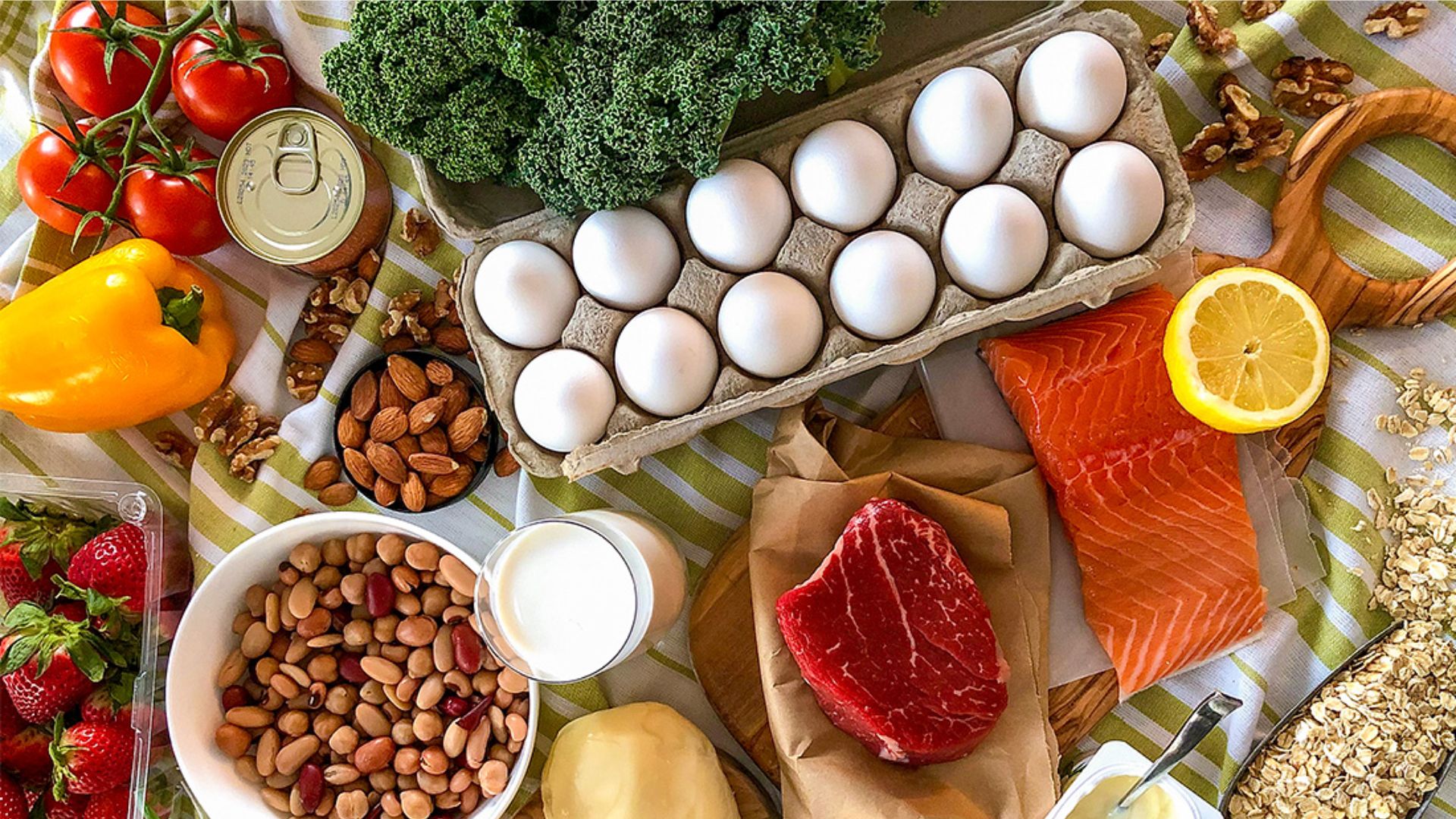
Now the best steak starts with the best meat. The chef selects these cuts with consideration for marbling, color, and freshness. This attention helps the finished dish be tender and flavorful! By selecting the appropriate provider and developing relationships with reputable sources, you can ensure consistency. Mastering all the cooking techniques in the world cannot fix bad ingredients. Dining at a Dayton, Ohio, steakhouse showcases the artistry of chefs who balance tradition with innovation.
Aging for Flavor and Tenderness
It is often through aging that the superior qualities of beef can be encouraged to be displayed in places other than great steakhouses. Dry aging is a fancy way to say that meat loses moisture as it dries, which means flavor is more concentrated, but also, this process aids in the breaking down of connective tissues. It could take weeks in facilities with strict controls. The other method, known as wet aging, seals the meat in a vacuum-type package to produce a more mellow result. Both methods supplement tenderness and flavor, providing guests with a memorable experience.
Expert Butchery and Preparation
Butchery skills are very valuable in a steakhouse kitchen. Cut faithfully to maximize yield and retain full pieces. Those little things make a difference in how thick it all comes out and, thus, how evenly it cooks. It attains a balance of richness by trimming much of the excess fat and, at the same time, ensuring that some of it is retained to keep it moist. The fruits of diligent preparation will manifest themselves on the grill.
Mastering the Grill
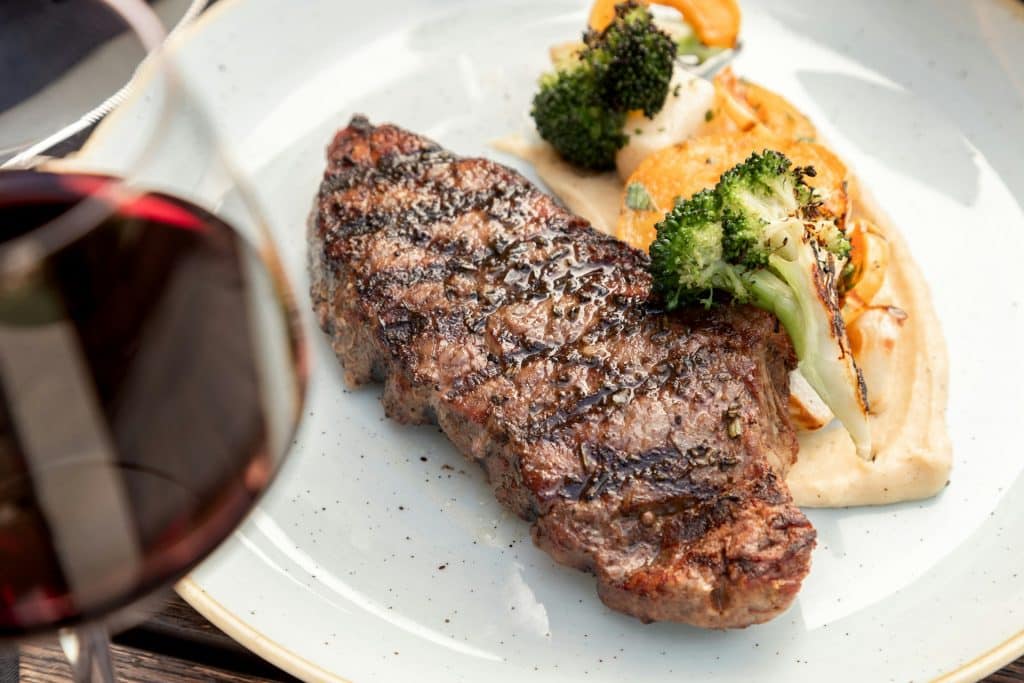
The technique of using a short whip is central to the operation of a steakhouse. A hot sear makes the meat crust. Yes, chefs are working on it; they will still play with points away from the first before the flames will burn, and they will leave it until the first rip-up occurs due to the purpose of the heat. Time is sensitive here, as overcooking will ruin texture & flavor. Perfect grill marks give visual appeal and also indicate careful technique.
Seasoning with Precision
For premium cut steaks, the seasoning itself is very simple. Salt and pepper accentuate and enhance flavors without fogging them. Others include herbs or spices to add a pinch of their signature flair. Seasoning it immediately before putting it on the grill draws some moisture out of it, which helps form the savory crust. Enough can hide the meat well, but too much can lead the meat to wear.
The Role of Resting
Letting steak rest before slicing is crucial. Allowing juices to redistribute after resting prevents dryness and delivers a moist bite. It loses valuable moisture if you slice immediately after grilling. After a few minutes of waiting, peanut butter can reward the patience with a richer mouthfeel and a more developed taste. Such practice indicates respect for the ingredients and for the guests.
Attention to Sides and Sauces
Even though steak is the star of the show, the sides matter too. Well-balanced side dishes accompany the richness of the meat. Plain veg or potatoes bring some balance, and sauces add another layer of flavor without competing with the star of the show. Everything should complement the steak rather than compete with it.
Consistency in Every Dish
Achieving consistent results forms the backbone of steakhouse cooking. Chefs follow established procedures, monitoring temperatures and cooking times closely. Training and teamwork help maintain high standards, so every guest receives the same level of care. Attention to detail at each step reinforces a reputation for quality.
Honoring Tradition While Innovating
Generations have passed down recipes and methods to countless establishments. Meanwhile, others embrace innovation, combining traditional preparations with contemporary elements. This equilibrium maintains an element of surprise in menus while also giving chefs room to flex their creativity. Tradition accounts for validation and authenticity, whereas innovation brings new excitement to guests who might have dined with you previously.
Conclusion
The excellence of steakhouse cooking rests on a foundation of skill, discipline, and dedication to quality. Each step, from selecting meat to serving the finished dish, demands care and precision. This craft continues to garner admiration and satisfy appetites, bringing people together over memorable meals.