Table of Contents
- Understanding Termite Attraction
- Natural Preventive Measures
- Eco-Friendly Treatment Options
- Benefits of Natural Termite Control
- When to Seek Professional Help
Termites are among the most destructive pests for homeowners, silently compromising the structural integrity of wood-frame structures. Often, these insects go undetected until they have already caused significant damage, making prevention and early intervention essential. Fortunately, you do not have to rely solely on chemical treatments to protect your home. Several natural solutions are readily available, reducing risk to your family and the environment while keeping termites at bay. If you are searching for a reliable inspection, consider scheduling a termite inspection Columbia, SC for professional support.
Understanding the specific conditions that attract termites and implementing targeted, eco-friendly measures can make a substantial difference in safeguarding your home. With the right prevention strategies, you can ensure your living space remains termite-free without resorting to harsh chemical interventions. This approach is particularly important for families with young children or pets, as well as for those concerned about environmental impact.
Preventive maintenance requires ongoing vigilance. Even if your home has not had issues in the past, routine inspections and natural defenses can reduce the likelihood of an infestation. Homeowners are encouraged to stay informed and proactive, as early action often leads to easier, more affordable control.
Understanding both why termites are attracted to your property and which natural deterrents are most effective is the key to comprehensive prevention. By combining education, vigilance, and accessible solutions, you can preserve your home’s condition and avoid costly repairs.
Understanding Termite Attraction
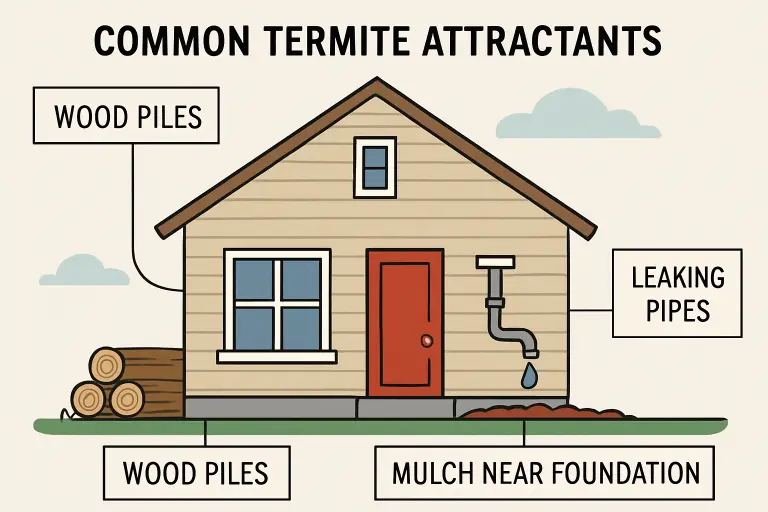
Termites thrive in environments that provide ample moisture, warmth, and their primary food source: cellulose found in wood and certain plant-based materials. The most common attractants for termites are often present in or around the average home. Keeping an eye on these risk factors can dramatically reduce the chance of an infestation.
- Persistent moisture from leaking pipes or improper drainage
- Stored wood and debris in direct contact with the soil
- Poor ventilation, leading to damp crawl spaces, basements, or attics
- Unsealed cracks or gaps in the home’s foundation or exterior walls
- Piles of paper, cardboard, or mulch near the house
Addressing these issues regularly and promptly is fundamental for keeping termites away. The Environmental Protection Agency also provides guidelines on maintaining a termite-resistant home, which is a useful resource for further reading.
Natural Preventive Measures
Early interventions and a few simple changes in your home care routine can help prevent termite infestations without using hazardous substances. Key steps include:
- Maintain Dry Conditions: Eliminate any sources of moisture by fixing leaks and assuring good airflow. Keep wood and insulation as dry as possible.
- Proper Storage: Store firewood, lumber, and even old newspapers or cardboard well away from your home’s perimeter. This denies termites easy access to food sources.
- Regular Inspections: Check for mud tubes, discarded wings, or damaged wood in crawl spaces, basements, and attics. Performing monthly checks can provide early warning signs before a colony becomes established.
- Seal Entry Points: Close up cracks and gaps in foundations, windows, and exterior doors. Keep soil, mulch, and landscaping at least several inches below any wooden exterior parts.
Eco-Friendly Treatment Options

Should termites appear despite your best preventive efforts, there are several naturally derived solutions that are safe for both people and pets:
Neem Oil
Neem oil is derived from the seeds of the neem tree, and it disrupts the hormonal systems of termites, impacting their ability to feed and reproduce. Applying neem oil to infested wood can gradually eliminate minor colonies, though reapplication every few days is often necessary.
Orange Oil
Extracted from orange peels, orange oil contains D-limonene, which is toxic to termites but far safer for humans and animals. It is ideal for localized infestations; injecting the oil directly into affected wood can kill termites on contact.
Diatomaceous Earth
Diatomaceous earth is a natural, powdery substance made from the fossilized remains of aquatic organisms. It lacerates termites’ outer shells and dehydrates them, killing them without the need for toxins. Apply a dry layer around most at-risk areas and reapply after heavy rains.
Beneficial Nematodes
Beneficial nematodes are microscopic roundworms that seek out and kill subterranean termites in the soil. They are environmentally safe and effective for managing outdoor populations. Simply mix nematodes with water, then apply them to the soil near the infested area.
Benefits of Natural Termite Control
Adopting natural approaches to pest management can offer numerous advantages over conventional chemical methods:
- Environmental Safety: Biodegradable natural treatments reduce contamination and risk to soil and water sources.
- Health Considerations: Natural solutions do not emit toxins or leave behind harmful residues, creating a safer environment for households with children and pets.
- Cost-Effectiveness: Many natural products can be easily sourced and applied without the need for professional-grade equipment or expertise.
When to Seek Professional Help
While natural solutions are well-suited for minor or early-stage termite issues, professional intervention may become necessary for more severe infestations. If you notice advanced wood damage, persistent termite activity, or widespread colony growth, it is wise to consult a professional with expertise in integrated pest management. Prompt expert help can prevent further damage and provide peace of mind.
With routine vigilance, awareness of termite behavior, and the strategic use of natural treatments, homeowners can effectively defend their properties. For lasting protection and added security, combining personal preventive efforts with an occasional professional check-up is the best plan for a termite-free home.