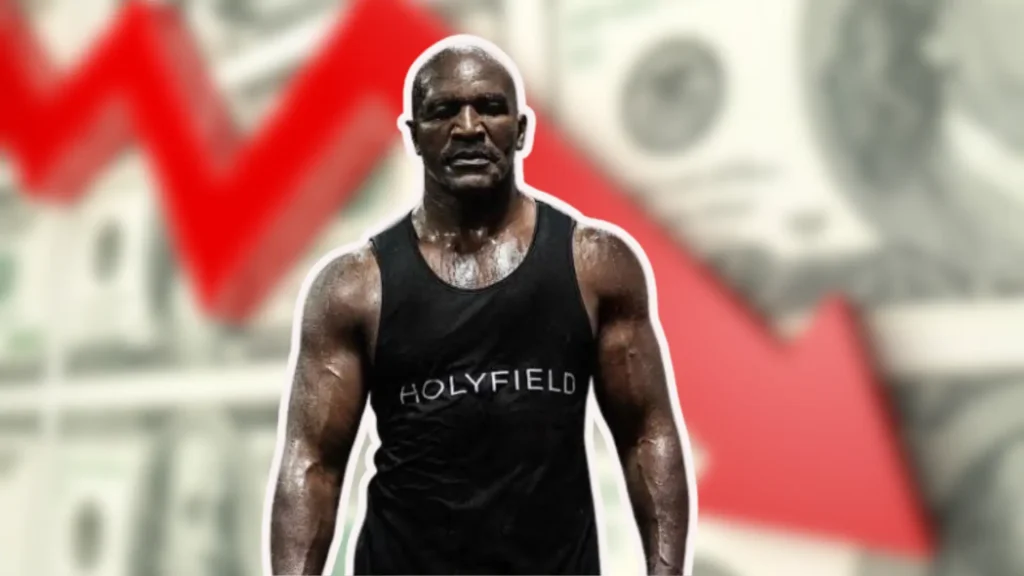
Evander Holyfield made more money in one night than most people see in ten lifetimes. The 1997 rematch against Mike Tyson alone put $34 million in his pocket.
By the time he retired, he had collected somewhere between $230 and $250 million in prize money across a 26-year career. Today, according to Celebrity Net Worth, his estimated net worth sits at roughly $1 million.
That gap, $230M earned, $1M remaining, is what makes Holyfield’s financial story one of the most striking in sports history.
This isn’t just a cautionary tale. It’s a window into how the sports industry of the 1990s chewed through athletes’ money, and how one man has spent the years since trying to rebuild.
From Bowen Homes to the Olympic Stage
Holyfield grew up in the Bowen Homes Housing Projects in Atlanta, Georgia, after his family relocated from Atmore, Alabama. Money was tight.
He started boxing at age seven at the local Boys Club, not as a hobby, but as a way to channel something, to build discipline in a place that didn’t offer many paths forward.
By thirteen, he was competing in the Junior Olympics. At fifteen, he won the Southeastern Regional Championship.
At twenty-one, he was on the world stage at the 1984 Los Angeles Olympics, where he took home a bronze medal in light heavyweight, a result many felt should have been gold, given a controversial stoppage in his semifinal bout.
He turned professional that same year. The hunger that came from those early years in Atlanta never left him. It also later contributed to some of the decisions that cost him everything he had earned.
The Boxing Career That Built a Fortune
Source: Evanderholyfield.com
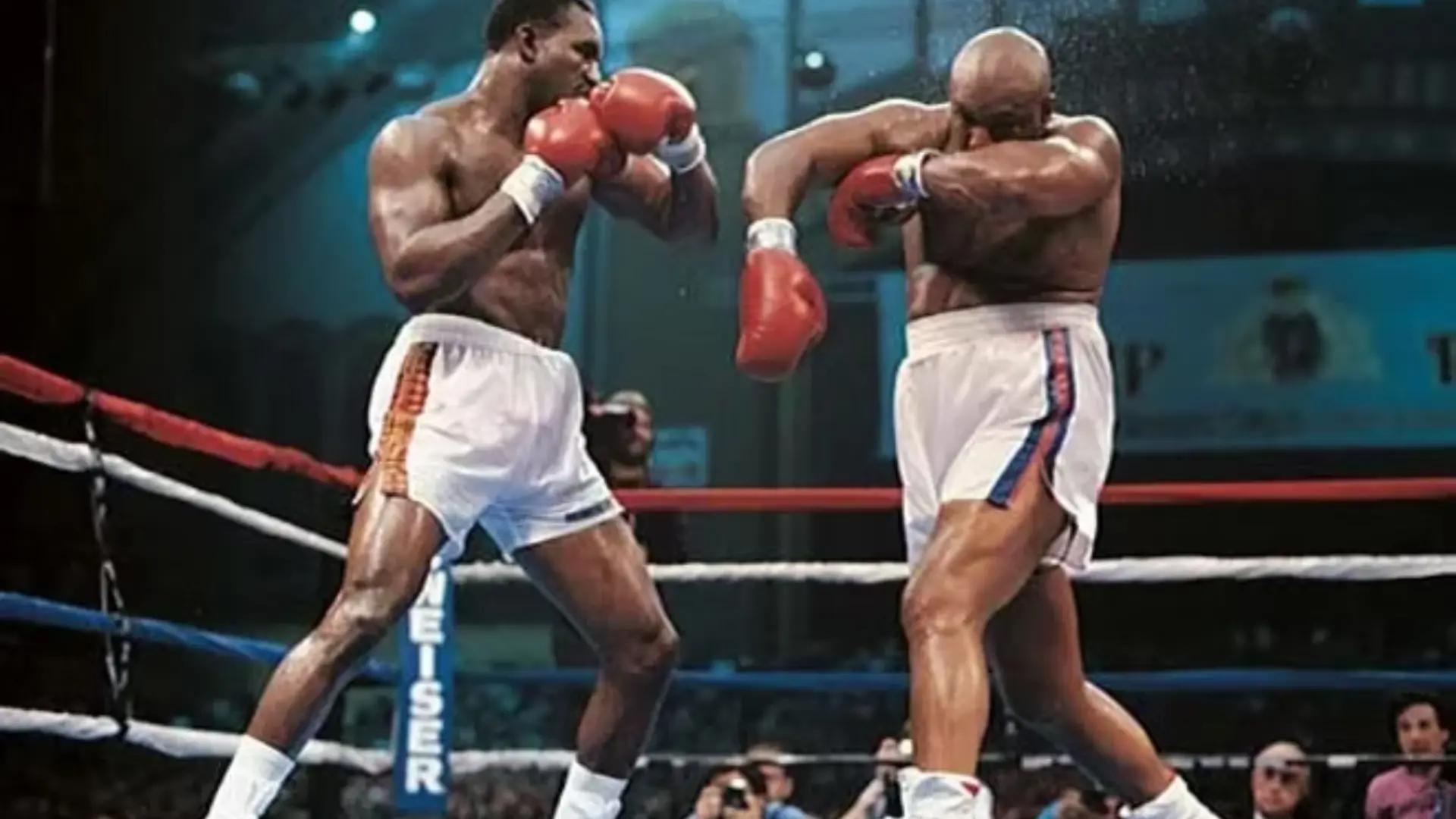
Holyfield’s professional rise was methodical and relentless. He swept through the cruiserweight division, becoming the undisputed champion by 1988 after beating Dwight Muhammad Qawi, Ricky Parkey, and Carlos De León in succession. Then he moved up to heavyweight, a far more dangerous, far more lucrative arena.
In 1990, Holyfield defeated James “Buster” Douglas to win the heavyweight title. He became the only four-time world heavyweight champion, capturing versions of the crown in 1990, 1993, 1996, and 2000.
He is also one of only two boxers, alongside Oleksandr Usyk, to become undisputed champion at both cruiserweight and heavyweight.
His notable wins include Mike Tyson (twice), George Foreman, Larry Holmes, Riddick Bowe, Michael Moorer, and John Ruiz. Holyfield was inducted into the International Boxing Hall of Fame in 2017.
Evander Holyfield’s Career Earnings: Fight-by-Fight
The money followed the legacy. Here’s a look at his biggest paydays:
| Fight | Year | Estimated Purse |
|---|---|---|
| vs. Mike Tyson I | 1996 | ~$20 million |
| vs. Mike Tyson II (“Bite Fight”) | 1997 | ~$34 million |
| vs. Lennox Lewis I | 1999 | ~$20 million |
| vs. Lennox Lewis II | 1999 | ~$15 million |
| vs. Riddick Bowe I | 1992 | ~$10 million |
| vs. George Foreman | 1991 | ~$8 million |
| vs. Vitor Belfort (exhibition) | 2021 | ~$1 million |
Beyond the base purses, the big fights generated massive pay-per-view revenue, and Holyfield, like the top names of that era, received a percentage of the PPV buy rate on top of his guaranteed fee.
The Tyson rematches were among the highest-selling PPV events in boxing history. That revenue share is often what separates the headline number from the even larger real total.
His endorsement work appearances for brands, international exhibition bouts, and event fees added to his income during his peak years.
Evander Holyfield Business Ventures

Source: Evanderholyfield.com
After the ring, Holyfield tried to build businesses. Most of them failed, and failed expensively.
- Real Deal Records (1999): Launched a music label that reportedly lost about $2.3 million before closing.
- Restaurant Venture: Attempted to build a restaurant chain, resulting in estimated losses of $7.6 million.
- Consumer Products: Released Real Deal grills, barbecue sauce, and fire extinguishers, but none became profitable.
- Holyfield Foundation: Continued supporting underprivileged children through education, mentorship, and financial aid.
- Media & Speaking Career: Earned income through TV appearances, acting cameos, and motivational speaking after retirement.
How $230 Million Became $1 Million
Most people assume there was one major mistake, but the reality is more complicated. A mix of costly assets, failed business ventures, family obligations, tax issues, legal expenses, and poor financial management gradually eroded Holyfield’s fortune.
1. The Costly Fayetteville Mansion
Source: Evanderholyfield.com
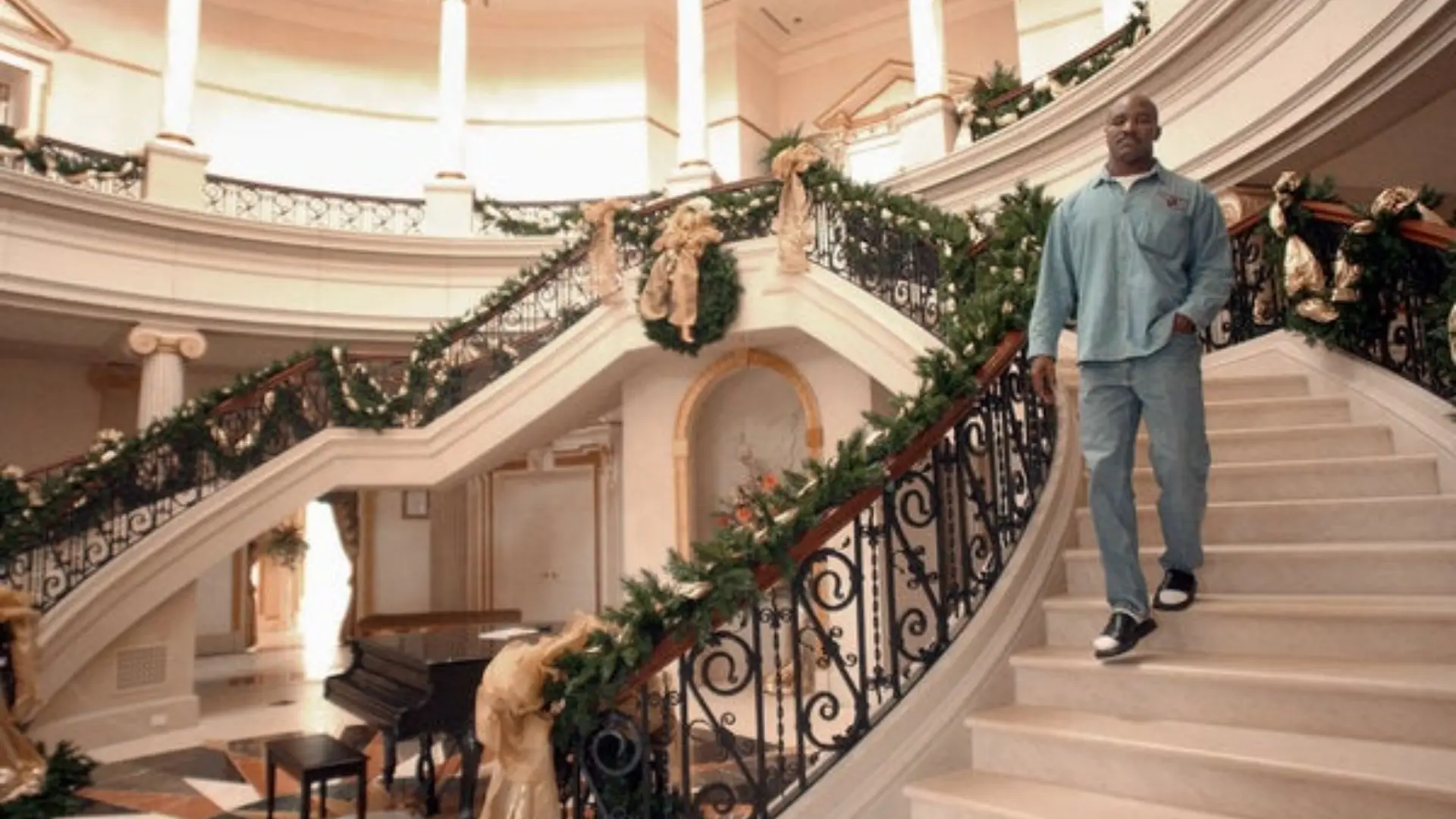
Holyfield built a 109-room, 54,000-square-foot estate on 235 acres in Fayetteville, Georgia. The property reportedly costs about $1 million per year to maintain.
In 2008, it went into foreclosure and was later sold at auction for $7.5 million, far below the outstanding mortgage balance.
In 2014, rapper Rick Ross purchased the estate for approximately $5.4 million and renamed it “Promise Land.”
2. Child Support and Family Expenses
Source: AJC
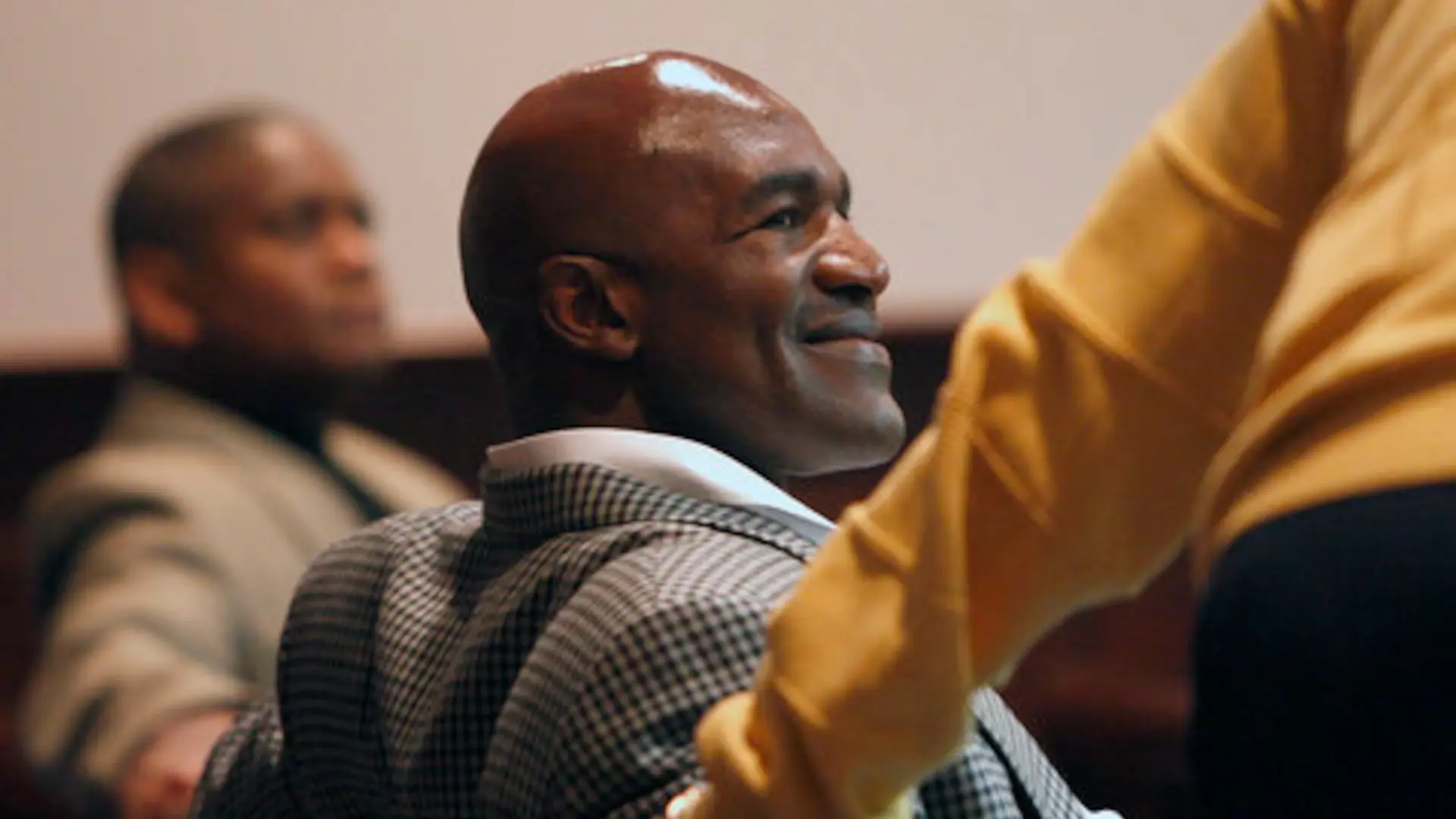
Holyfield has eleven children from six relationships, leading to substantial child support obligations over the years.
In 2012, the Georgia Department of Human Services pursued legal action after he reportedly fell more than $372,000 behind on payments for one child.
3. IRS Debt and Legal Costs
Source: NY Times
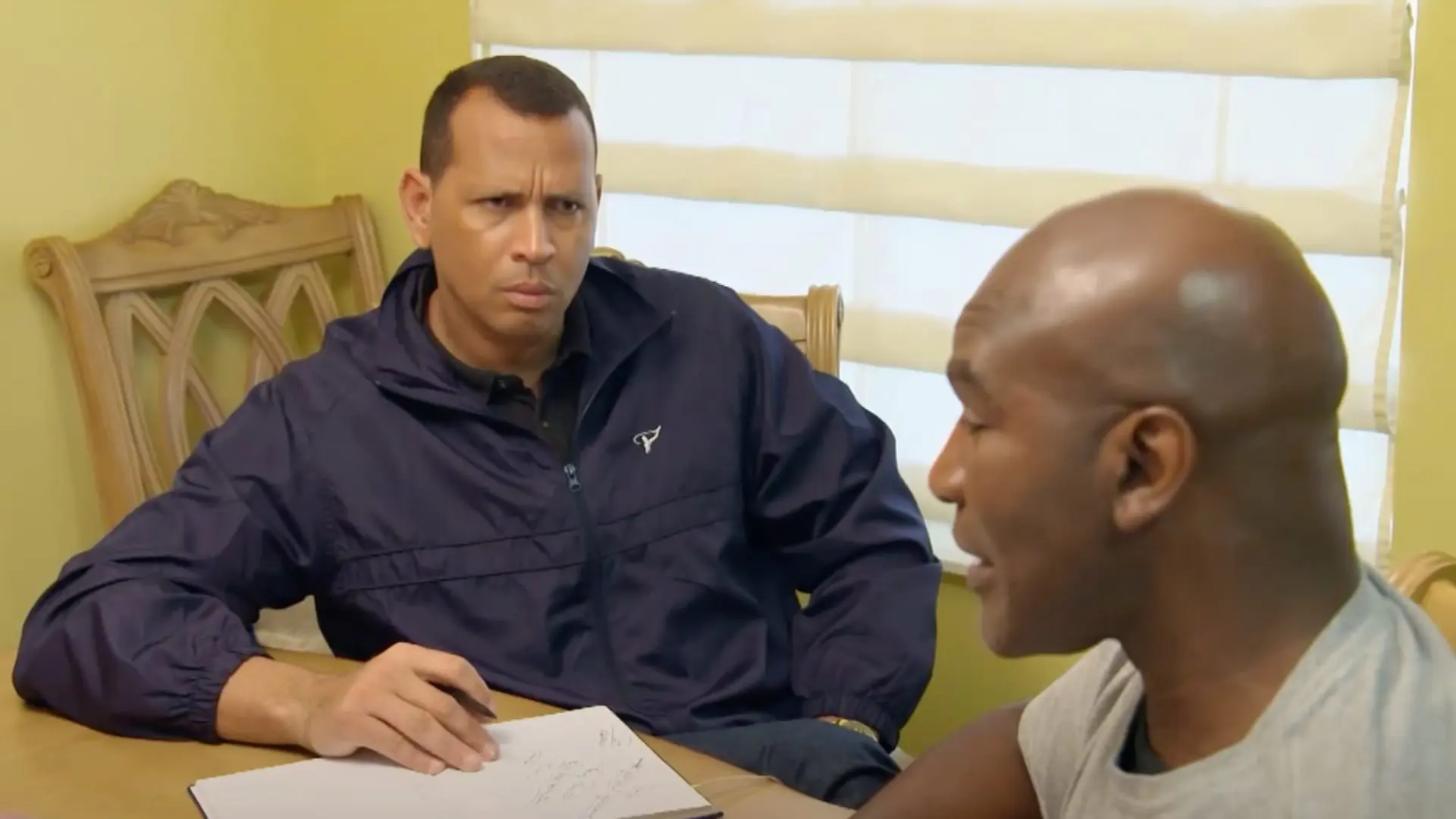
Back taxes and ongoing legal disputes placed additional pressure on Holyfield’s finances. These expenses continued to accumulate during the years after his peak earning period in boxing.
4. Problems With Financial Advisors
Source: NY Times
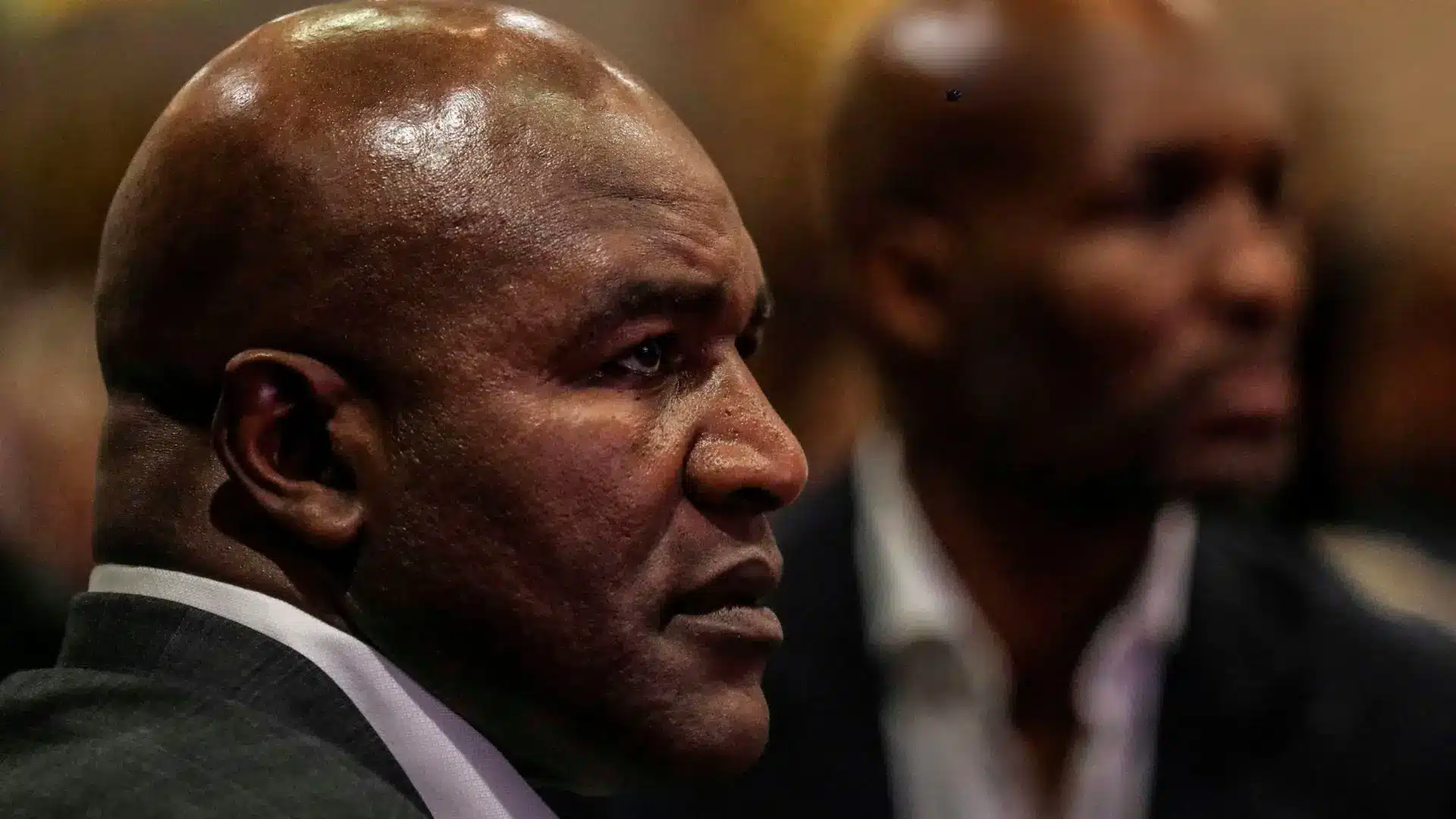
Holyfield has publicly criticized some of the people who managed his finances during his career. In interviews, he claimed that trusted advisors mishandled money and failed to provide the financial oversight needed to protect his wealth.
5. Fighting Longer for Financial Reasons
Source: NY Times
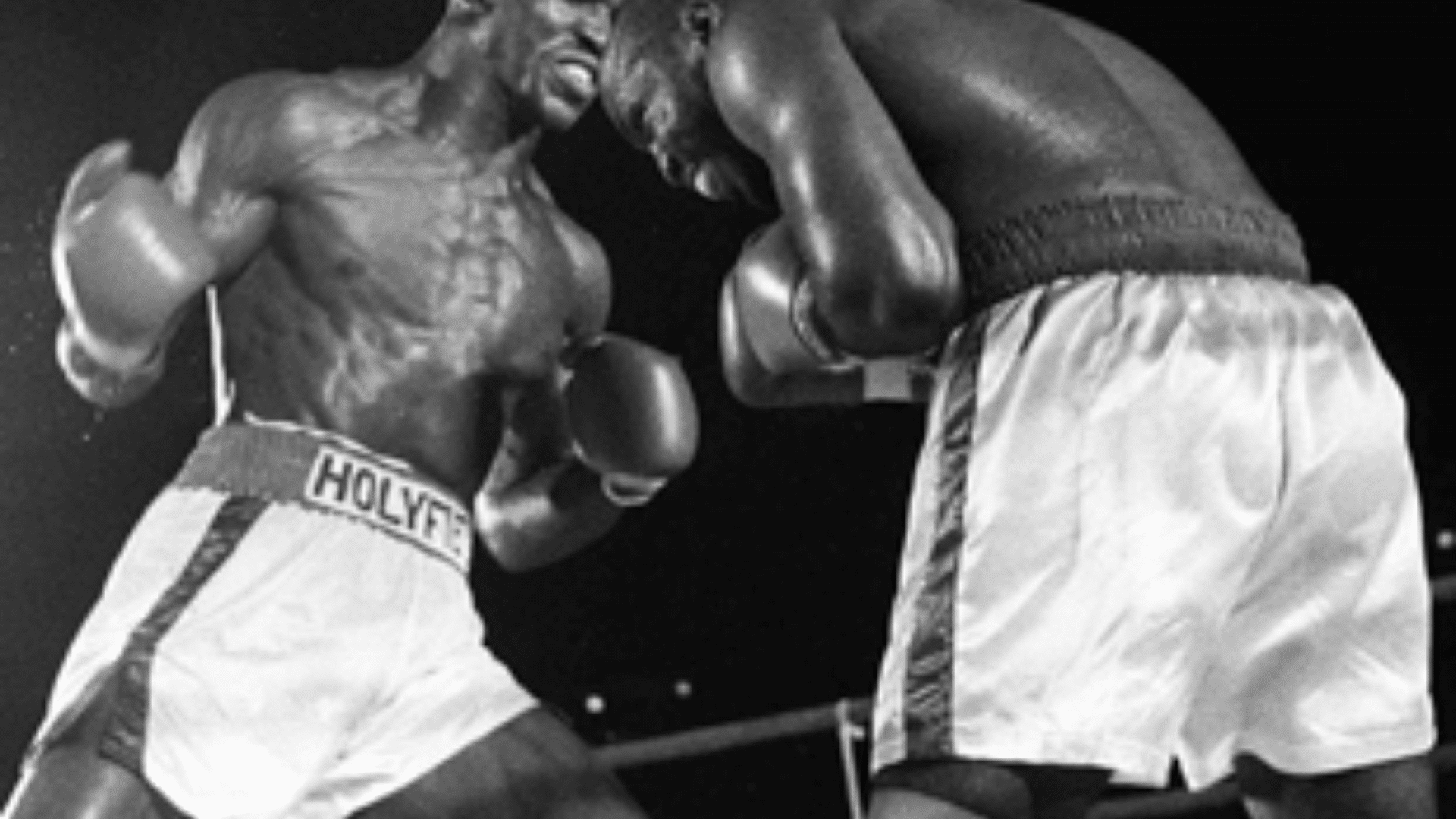
Unlike many champions who retire at their peak, Holyfield continued boxing into his late forties. The later fights brought smaller purses and greater physical risks. He officially retired in 2011 at age 48 and returned for an exhibition bout against Vitor Belfort in 2021 at age 58, reportedly earning around $1 million.
By 2012, he filed for bankruptcy, listing debts that exceeded his assets. He had sold his Olympic bronze medal. Essentially, everything that could be liquidated had been.
Holyfield vs. His Peers: A Net Worth Comparison
| Boxer | Est. Net Worth (2025–26) |
|---|---|
| Floyd Mayweather Jr. | ~$1 billion+ |
| Lennox Lewis | ~$140 million |
| Mike Tyson | ~$30 million |
| George Foreman | ~$300 million (pre-death) |
| Evander Holyfield | ~$1 million |
The comparison with George Foreman is particularly sharp. Foreman earned significantly less from boxing than Holyfield did, but the George Foreman Grill generated over $200 million in royalties alone.
His financial team structured the deal properly. Holyfield’s business ventures never had that kind of structure or return.
Floyd Mayweather’s wealth is a product of negotiating leverage, promotional ownership, and a financial team that treated every fight as a business transaction.
The contrast isn’t about talent in the ring; it’s about what happens outside it.
Where Holyfield Stands Today (2026)
Source: Boxing News
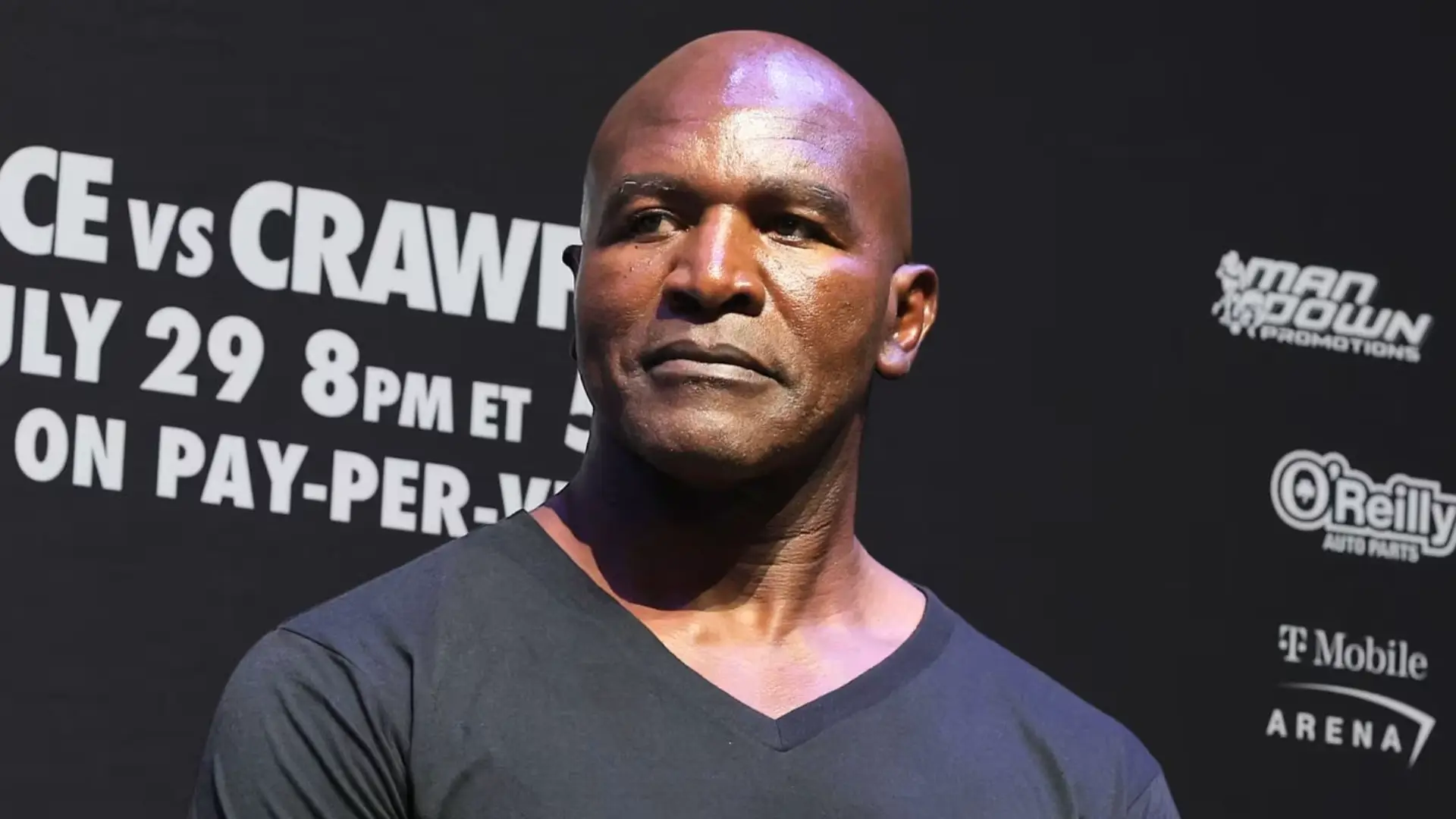
Holyfield’s current income comes from several sources: speaking fees, brand licensing under the Real Deal name, media appearances, and foundation-related activities.
He is not broke in the destitute sense; the $1 million estimate from Celebrity Net Worth reflects modest stability, rebuilt from the low point of the 2012 bankruptcy.
One addition to his legacy that receives little attention is his son, Evan Holyfield, who has followed him into professional boxing.
Evan has built a respectable professional record and fights under the same name that once filled arenas. That’s a form of wealth that doesn’t show up in net worth estimates.
What Holyfield’s Financial Arc Actually Teaches
Four things stand out when you look at his story honestly:
- Earning vs. Managing Money: Excelling in sports does not automatically translate to financial success or business expertise.
- The Importance of Trusted Advisors: Poor financial advice and mismanagement can quickly undermine even massive earnings.
- High Lifestyle Costs: Expensive assets, such as Holyfield’s mansion, created ongoing costs that drained wealth over time.
- Fighting Beyond Peak Years: Continuing to compete for financial reasons brought smaller paydays and greater physical risks.
- A Changing Industry: Modern athletes generally have better access to agents, financial advisors, and money-management education than previous generations.
Conclusion
Evander Holyfield earned enough money to fund several lifetimes. The fact that roughly $229 million of it is gone says less about his worth as a person and more about the broken financial systems that surrounded elite athletes in his era: bad advisors, a lack of wealth infrastructure, and businesses never set up to succeed.
What remains is $1 million, a Hall of Fame plaque, a son carrying the family name into professional boxing, and a foundation still doing real work for kids who grew up the way he did. That’s nothing.
The ring gave Holyfield everything. What happened outside it is a story the sports world keeps repeating, generation after generation, because nobody builds the safety net until after someone falls through it.
FAQs
Where Does Holyfield Live Now?
Evander Holyfield is believed to still live in the Atlanta, Georgia area. He has kept a relatively private life in recent years, often staying close to where he built his former Fayetteville estate.
How Much Did Evander Holyfield Pay in Child Support?
Holyfield’s total child support payments aren’t publicly confirmed, but he reportedly fell about $372,000 behind for one child in 2012, with long-term obligations across multiple children adding up significantly.
Who is Considered the Greatest Boxer Ever?
There’s no single official answer, but Muhammad Ali is widely considered the greatest boxer of all time for his impact, skill, and legacy.