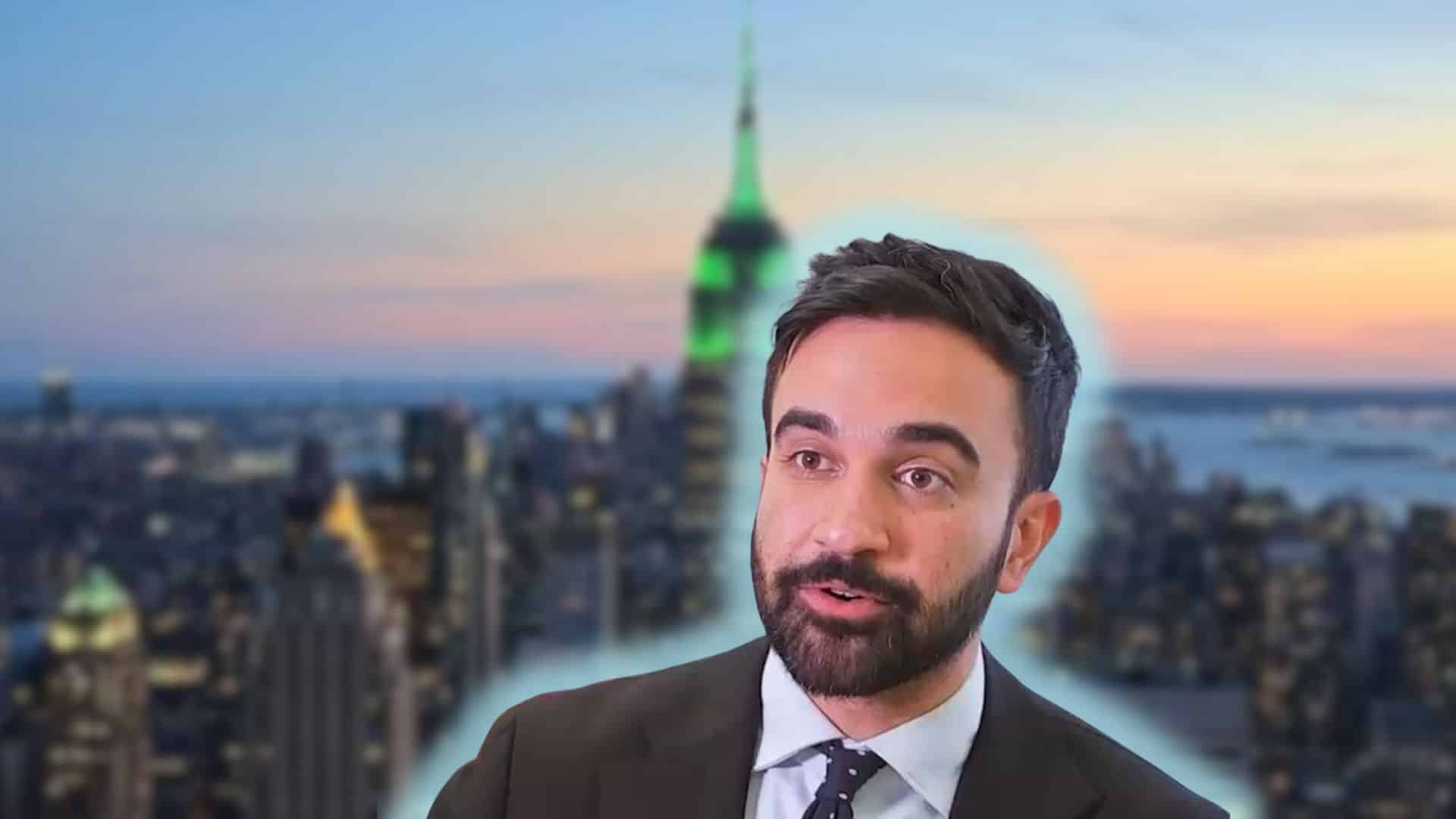
When Zohran Mamdani launched his mayoral campaign in October 2024, he was polling at just 1%. By November 2025, he had won the election, and on January 1, 2026,
He officially became the 112th Mayor of New York City, making history as the first Muslim, first South Asian, and first Millennial to hold the office.
During the campaign, most coverage focused on his promises and proposed policies. Now that Mamdani is governing, the focus has shifted to what is actually happening under his leadership.
The victories his administration has achieved, the challenges and setbacks encountered along the way, and the ongoing battles and debates that lie ahead.
This article provides a current, detailed look at his policies in action and the impact on the city.
Who is Zohran Mamdani?
Born in Kampala, Uganda, Mamdani moved to New York City at age 7. He attended the Bronx High School of Science and later graduated from Bowdoin College.
Before entering politics, he worked as a foreclosure-prevention housing counselor in Queens, helping low-income homeowners navigate a system stacked against them.
His activism began well before his first election. He participated in a hunger strike alongside taxi drivers, which secured over $450 million in debt relief for drivers buried in predatory medallion debt.
That experience shaped the kind of politician he became, one whose instincts lean toward direct action over negotiation.
He won his first New York State Assembly seat in 2020, representing the 36th district in Astoria, Queens.
He is the son of Columbia University professor Mahmood Mamdani and Indian filmmaker Mira Nair.
He is a card-carrying member of the Democratic Socialists of America and the Working Families Party. He married Rama Duwaji in 2025 and took office on January 1, 2026.
Zohran Mamdani’s Policy Agenda
Zohran Mamdani’s policies cover every major pressure point in New York City: the cost of rent, the cost of getting to work, the cost of raising a child, the fear of deportation, the state of public housing, and the relationship between communities and the police.
Some of those policies are moving. Some are waiting on Albany. Some are waiting for money. All of them are being watched closely by supporters who want more, critics who want less, and a federal administration that has made clear it considers him an adversary.
What’s certain is that Mamdani’s first year in office will tell more about his policies than his entire campaign did. And unlike the articles written before January 2026, this story is still being written.
Zohran Mamdani’s Policies in Action
Zohran Mamdani began his term as NYC’s 112th mayor in January 2026, marking a historic milestone for the city.
His administration is tackling housing, childcare, public safety, and immigration, with some policies moving fast and others still facing hurdles.
This section outlines the key wins, challenges, and ongoing efforts shaping his early months in office.
1. Housing
Source: MADISON SWART/Hans Lucas/AFP via Getty Images
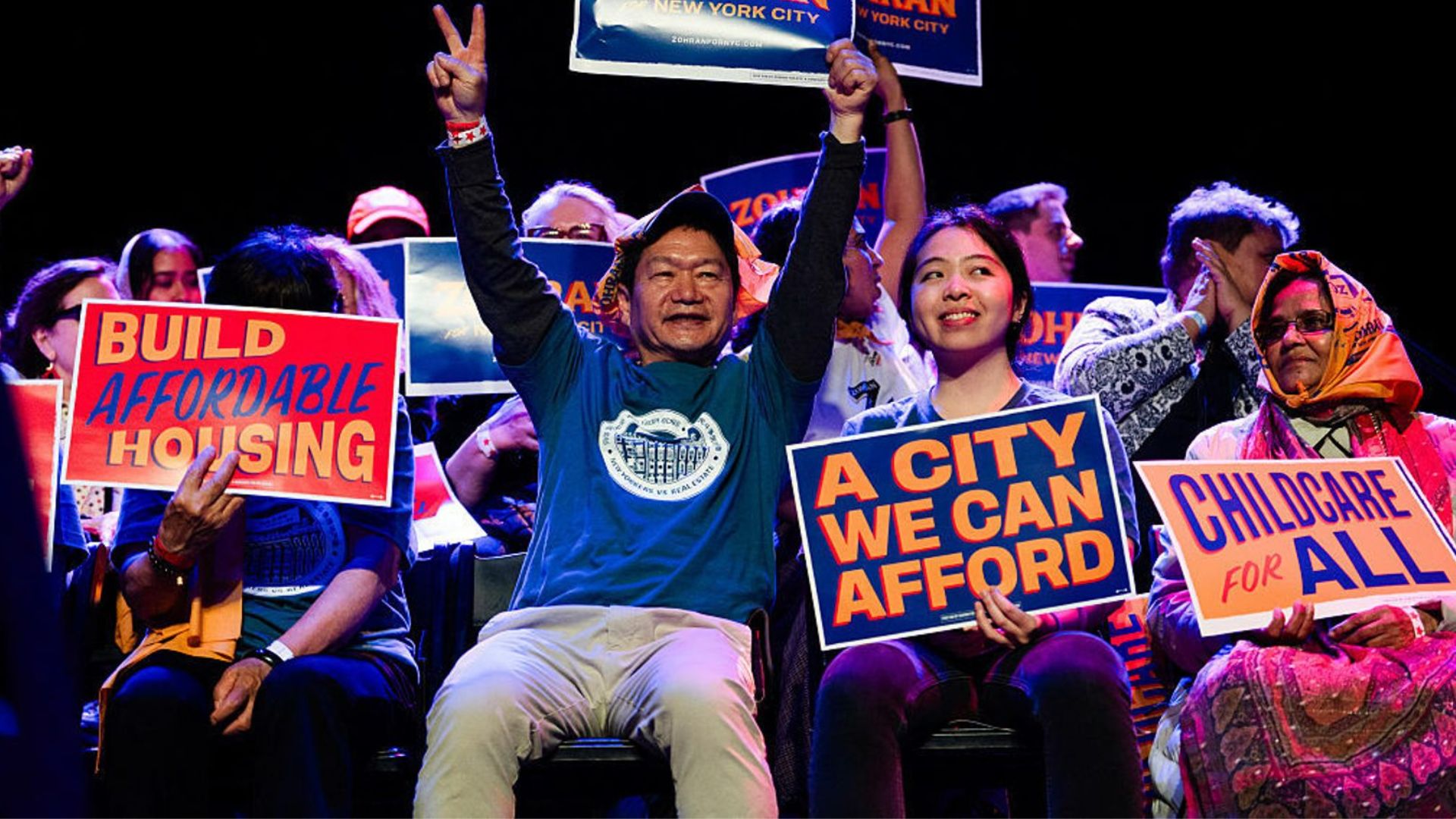
Housing sits at the center of Zohran Mamdani’s mayoral agenda, and it’s where his administration has moved the fastest since taking office.
Rent Freeze for Stabilized Tenants
Mamdani came into office promising to freeze rent for the more than two million New Yorkers living in rent-stabilized apartments.
The previous administration’s Rent Guidelines Board had allowed rents to climb by 9%. Mamdani appointed a new board with a clear mandate: stop the increases.
Professor Maliha Safri of Drew University, an economist who has studied New York’s housing economy, puts the stakes plainly: 68% of New Yorkers are renters, and the majority face a serious cost burden.
A rent freeze, she argues in her analysis for the Democracy Collaborative, isn’t a radical idea it’s a response to a decades-long squeeze on working people.
Block by Block: A Full Housing Blueprint
In May 2026, the Mamdani administration released “Block by Block: The Housing Plan for a New Era.” This is not a campaign document; it’s a governing one, and it goes further than anything his competitors covered during the race.
The plan has three parts: building new homes, strengthening tenant protections, and overhauling the New York City Housing Authority (NYCHA).
Under the first plank, the city has committed to building 200,000 new affordable, rent-stabilized homes and preserving another 200,000 existing ones over the next decade. The price tag is $22 billion over five years.
The plan launches “Our Home,” creating permanently affordable co-ops and doubling the Open Door program for homeownership. For NYCHA, it marks the largest city investment in recent history, though full repairs would cost $80 billion.
2. SPEED Reforms: Cutting Red Tape
Source: Eyewitness News
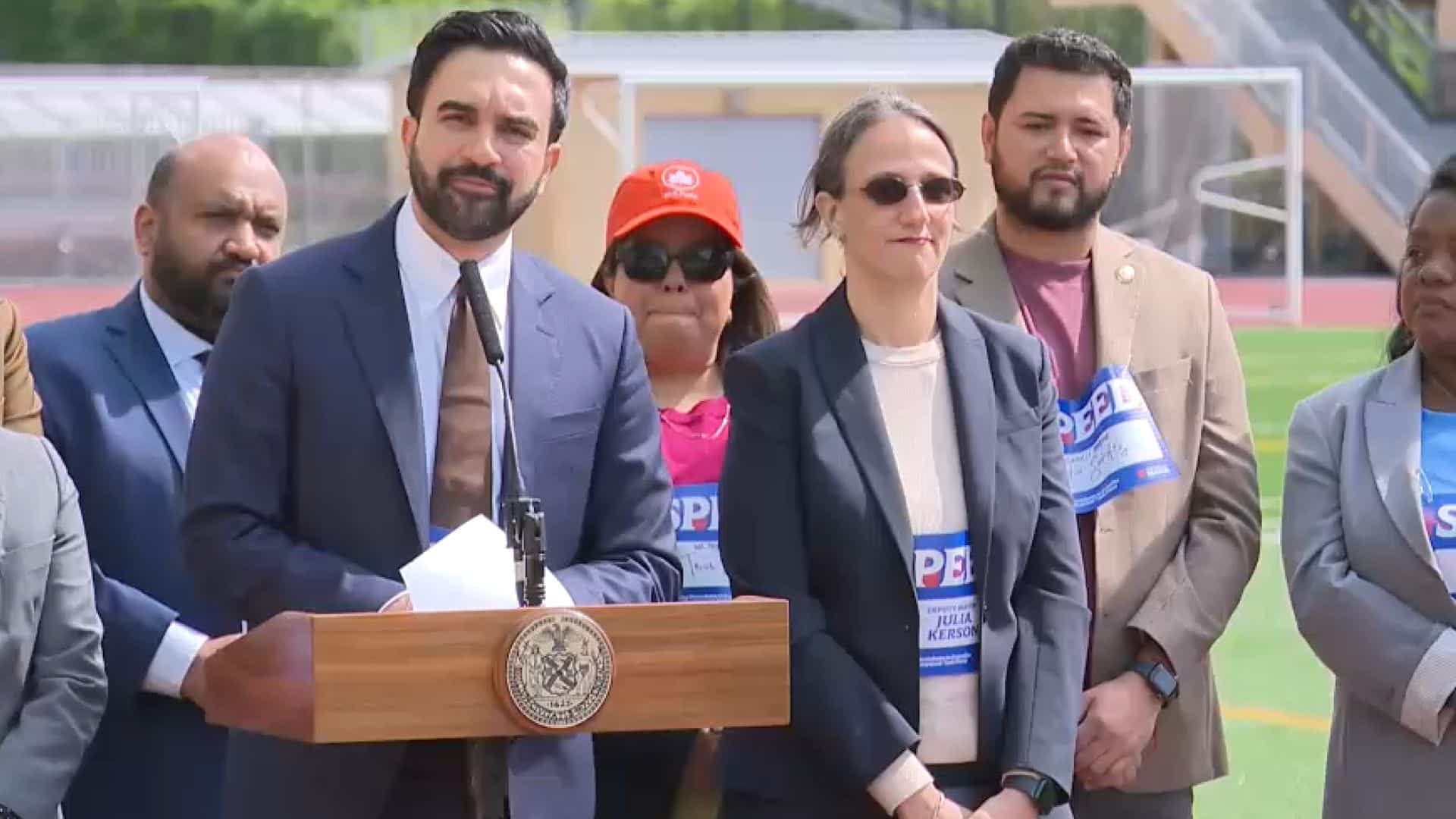
Also released in May 2026, the SPEED reforms Streamlining Procedures to Expedite Equitable Development target the bureaucratic delays that have slowed affordable housing construction for years.
The reforms cut timelines for all affordable housing projects by eight months. For projects that require a zoning change, timelines shrink by as much as two years.
The administration is also implementing the Construction Justice Act, which sets a $40-per-hour minimum wage and benefit standard for construction workers on city-financed projects.
3. Free Buses: The Vision vs. The Reality
Source: Politico
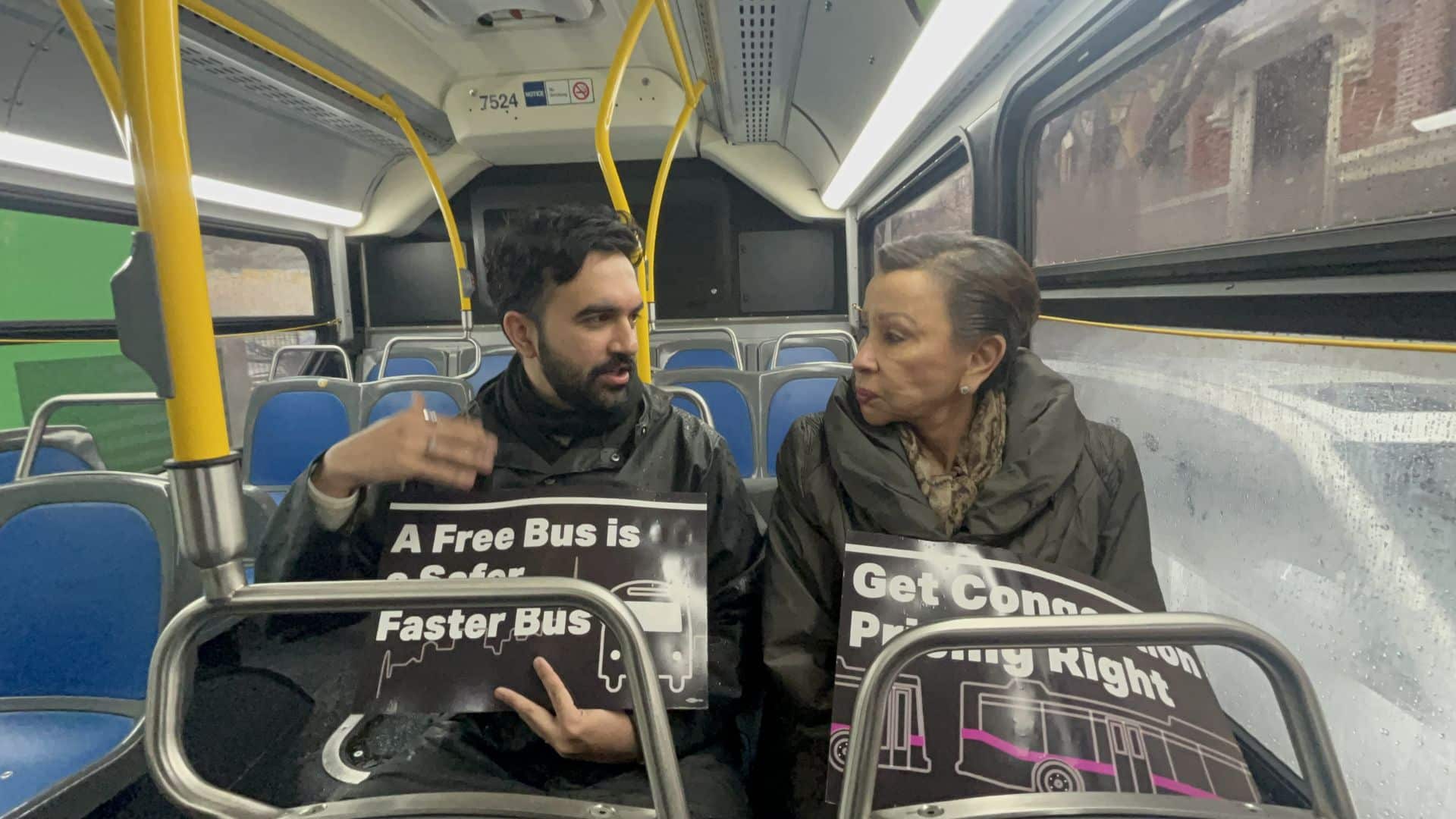
During the campaign, free city buses became one of Mamdani’s most recognized proposals: fare-free transit with dedicated bus lanes and expanded service.
He also supports maintaining congestion pricing and improving pedestrian access within the congestion zone.
The honest update from 2026: it’s not happening yet, at least not fully.
Governor Kathy Hochul declined to include free bus funding in the state budget. Both legislative houses did include language supporting a free-bus pilot program, which gives the mayor something to work with.
Mamdani has said he’s “absolutely committed” to making buses fast and free, and that conversations with the governor and state legislators are ongoing.
The core challenge is structural: the mayor can’t make buses free without Albany. The funding and authorization both live at the state level.
What Mamdani can do and is doing is keep the pressure on and lay the groundwork for pilots that could scale later.
4. Universal Childcare: Progress at a Slower Pace
Source: The Hechinger Report
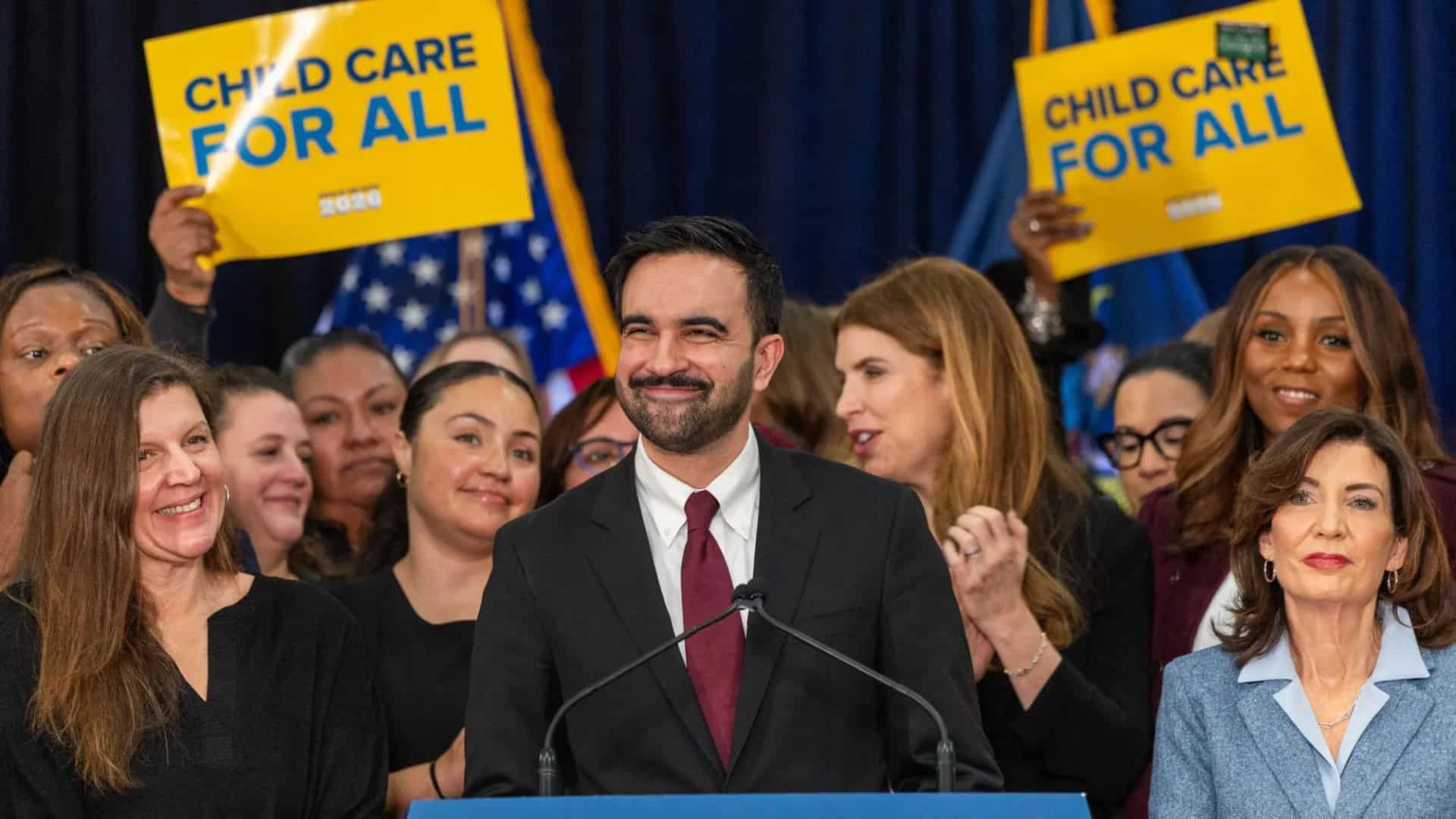
Mamdani proposed free universal childcare for every child from six weeks to five years old. The program, estimated to cost around $6 billion annually, would expand existing pre-K and 3-K programs and raise salaries for early childhood workers.
If fully implemented, it would be the most ambitious municipal childcare program since Mayor Bill de Blasio launched universal pre-K.
The good news is that the state has invested. A $1.2 billion state investment in early childhood education is now funding the rollout of programs for younger children under the direction of the Mamdani administration.
The partnership with Albany on this front has been more productive than on transit.
The honest caveat: full universal childcare in 2026 isn’t realistic. Budget pressures and the pace of program development mean the city is running pilots and expanding incrementally rather than flipping a switch.
5. City-Owned Grocery Stores
Source: The Week
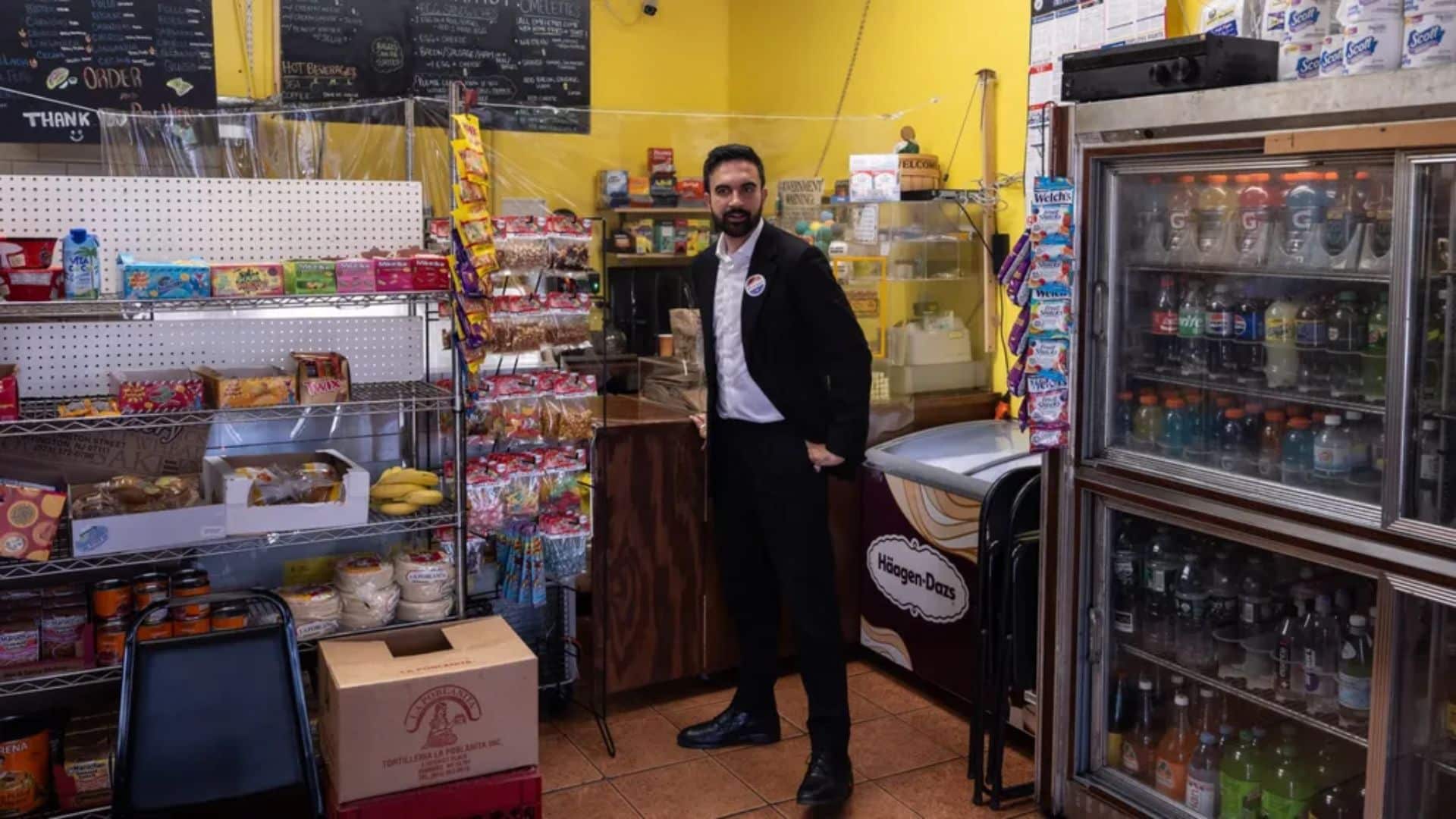
Mamdani wants to open city-controlled supermarkets to address food insecurity and bring down costs for working-class residents.
The idea is modeled on a public utility approach to the city as a grocer for neighborhoods where private retailers have pulled out or never came.
Critics call it logistically difficult and politically contentious. Supporters point to New York’s own history: the free public library system that debuted in 1911.
The tuition-free City College that ran for most of the 20th century, and the NYCHA housing projects that still house hundreds of thousands of New Yorkers.
These weren’t radical at the time; they were responses to need, funded publicly, and built to last. No city-owned supermarkets have opened yet. The proposal remains in the planning stage.
6. Immigration: Policies Under Federal Pressure
Source: Jacobin
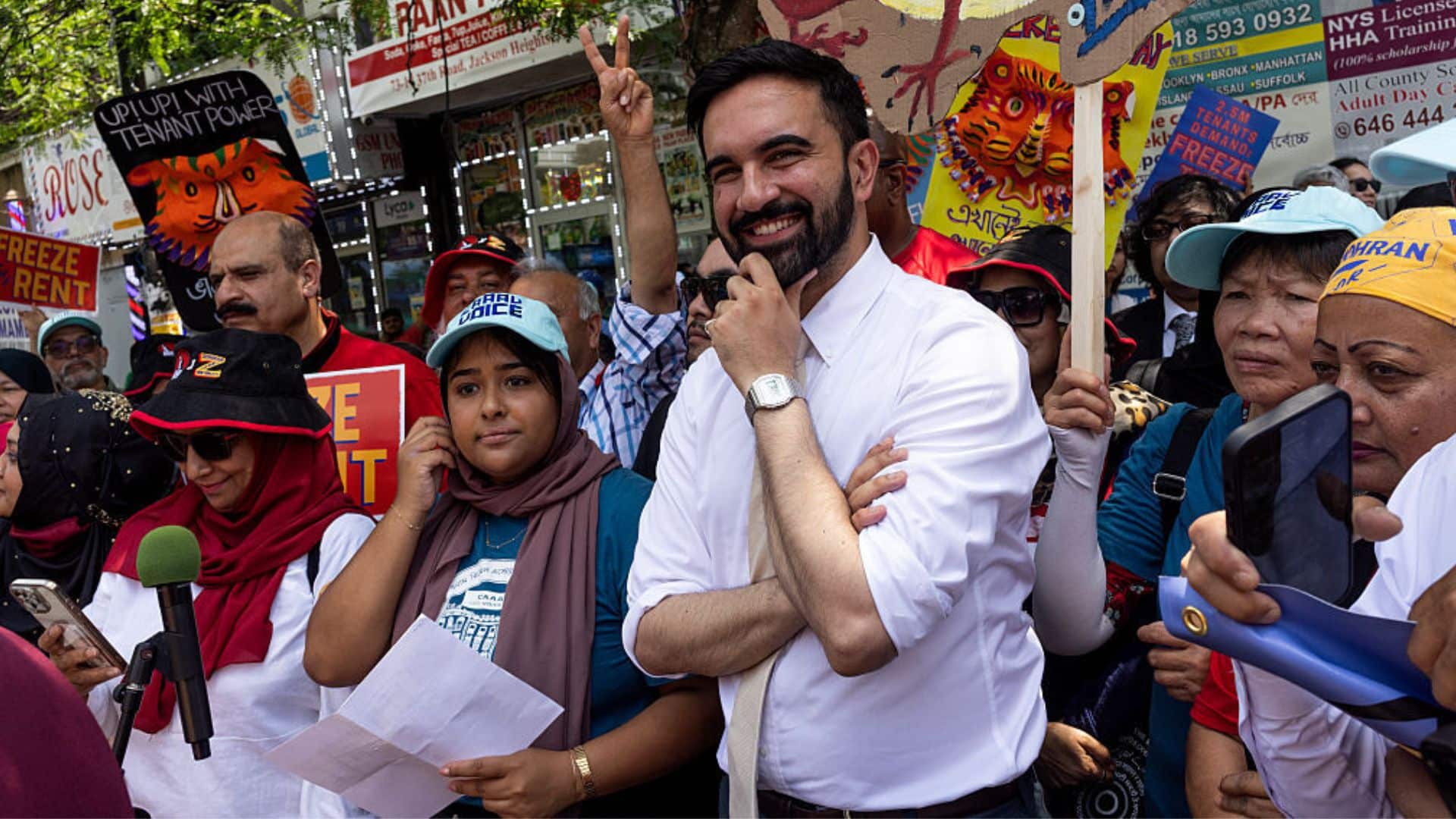
Mamdani has been among the most vocal mayors in the country in standing up to federal immigration enforcement. His position on immigration is one of the areas where his governance has already produced concrete policy.
In February 2026, he signed Executive Order 13, mandating a citywide audit of all policies and protocols governing interactions between City agencies and federal immigration authorities.
The audit’s recommendations are being implemented in the coming months, with the stated goal of strengthening protections for immigrant New Yorkers across all city agencies.
He has directed the NYPD not to assist ICE on civil immigration enforcement, drawing a clear line between criminal and civil immigration matters. His message to ICE agents has been direct: “Everyone will be held to the same standard of the law. If you violate the law, you must be held accountable.”
The Trump administration has pushed back hard. Federal officials threatened to withhold funding from New York City and accused Mamdani of “encouraging illegal aliens to evade arrest.” Mamdani has said he is “prepared for any consequence” that comes from standing up for New Yorkers.
The federal pressure is real and ongoing. But so far, the administration has held its position.
7. Policing and Public Safety
Source: New Republic
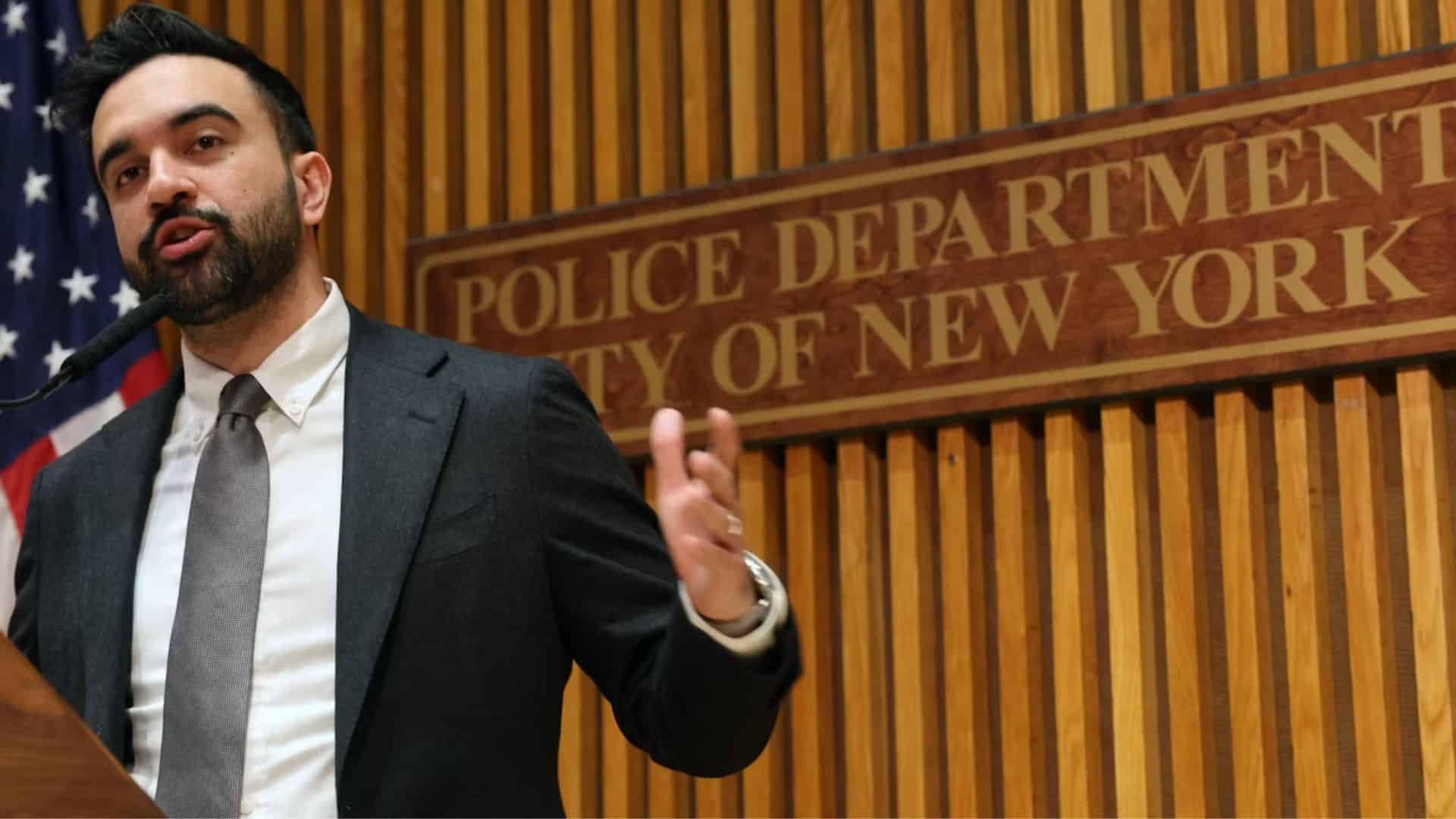
Mamdani’s relationship with the NYPD has been one of the more complicated parts of his political history. In 2020, he publicly called the department “racist, anti-queer & a major threat to public safety,” comments he later apologized for.
During the campaign, he faced repeated accusations that he wanted to defund the police, which he rejected.
Mamdani’s key early move in policing was retaining Jessica Tisch as police commissioner, reassuring moderates but drawing criticism from pro-Palestinian groups.
He plans a Department of Community Safety for mental health 911 calls, which hasn’t launched yet. In his first week, he signed orders requiring the Department of Corrections to meet minimum standards and directed the Law Department to implement a ban on solitary confinement.
How Does He Plan to Pay for the Policies
Mamdani has proposed raising taxes on large corporations and the wealthiest New Yorkers to fund his programs. That’s the short answer. The longer answer is more difficult.
Most of his biggest proposals, free buses, universal childcare, and the grocery store network, require either state-level approval, state funding, or both.
Albany has been a mixed partner. The state stepped up on childcare. It held back on transit. Future proposals will face the same dynamic.
Fiscal critics have argued from the beginning that the math doesn’t work without Albany’s cooperation, and that cooperation isn’t guaranteed.
Supporters counter that previous generations of New Yorkers said the same thing about public housing, public libraries, and public universities, and those programs were built anyway when there was political will.
Conclusion
Zohran Mamdani came into office carrying one of the most ambitious agendas any New York City mayor has put forward in decades.
His policies on housing, transit, childcare, immigration, and public safety aren’t just talking points anymore; they’re active work in progress, moving at different speeds, facing different walls.
The housing agenda is the furthest along. Transit reform is waiting on the state. Childcare is building slowly. Immigration protections are holding under real federal pressure.
Whether you see Mamdani’s policies as long-overdue corrections to a city that’s been failing its working class, or as promises that will buckle under fiscal and political reality, one thing is clear.
New York City hasn’t had a mayor quite like this before. The next few years will determine which version of this story turns out to be true.