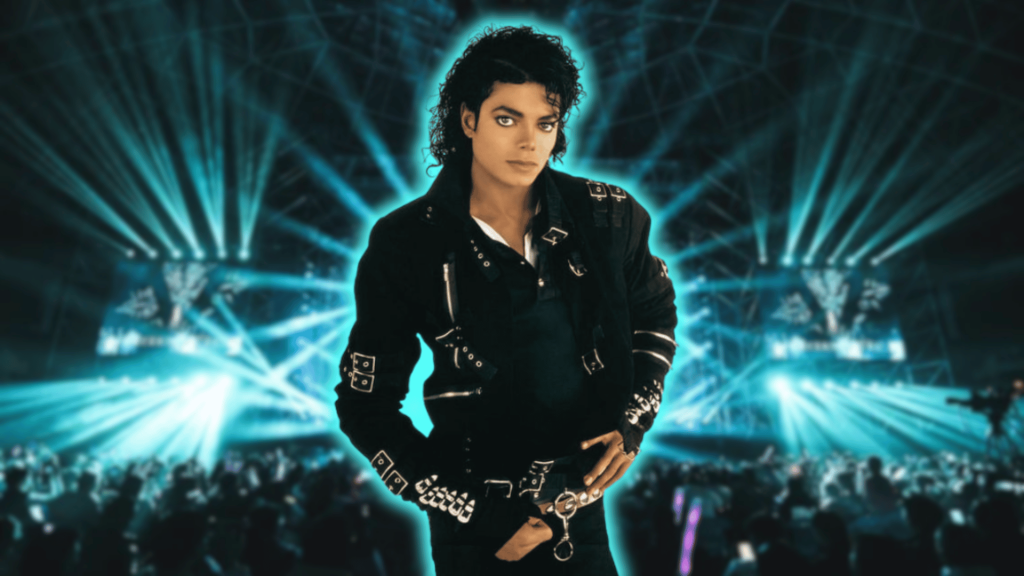
The Michael biopic came out on April 24, 2026, and it ends with Jackson performing at his 1988 Bad Tour. Full crowd, lights, peak fame.
His death is not in the film. Neither is Conrad Murray, the propofol, nor anything that happened on June 25, 2009.
That’s not an accident. And it is why questions about how Michael Jackson actually died are spiking again.
Here is the full account.
He did not die in a hospital, but in a bedroom, without monitoring equipment, emergency oxygen, or any of the safety measures the drug normally requires.
The Los Angeles County coroner classified his death as a homicide. Explaining how it reached that point requires more than a single sentence.
When Did Michael Jackson Die?
Michael passed away on June 25, 2009, at Ronald Reagan UCLA Medical Center in Westwood.
That morning, Jackson had been at his rented mansion at 100 North Carolwood Drive in the Holmby Hills neighborhood of Los Angeles. He’d returned from rehearsal around 12:30 AM.
People who were there said it had been one of his better sessions in weeks.
He was preparing for 50 concerts at London’s O2 Arena, starting in July 2009, under the name “This Is It.” Tickets sold out almost immediately.
Behind the scenes, people around him were worried.
Kenny Ortega, the show’s director, testified in court that Jackson had seemed “lost, cold, afraid” during some rehearsals in the weeks before his death.
His makeup artist, Karen Faye, said she felt as if she were watching someone she didn’t recognize. Both brought those concerns to Conrad Murray. Murray said Jackson was fine.
The 911 call came in at 12:21 PM. Not from Murray. From Jackson’s security guard.
Paramedics arrived to find him in cardiac arrest. They worked on him at the house, continued in the ambulance, and UCLA doctors kept going for over an hour. He didn’t respond.
Michael Jackson’s Cause of Death
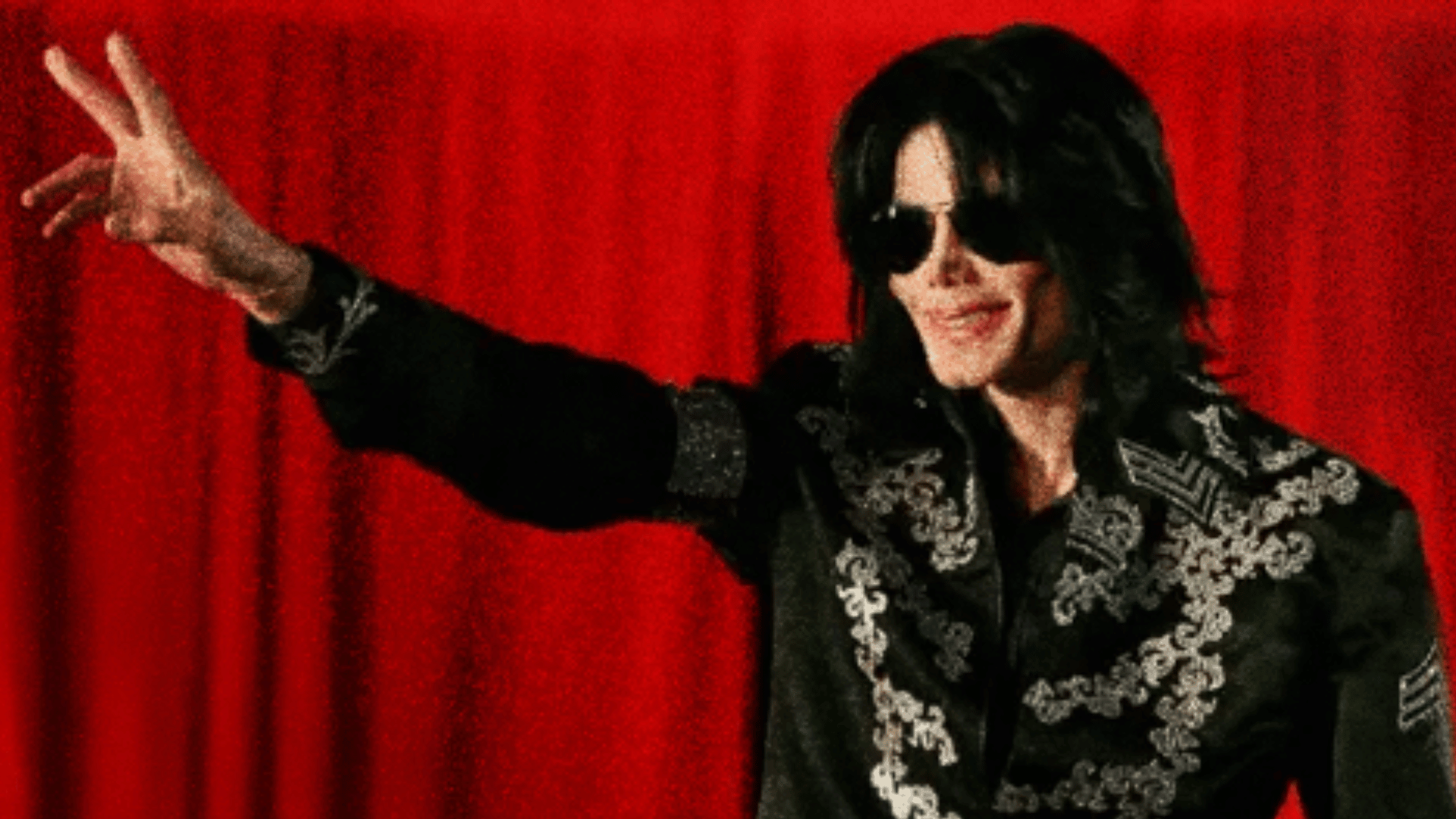
Source Code: BBC News
The coroner ruled Jackson’s cause of death as acute propofol intoxication. Additional substances found in his system included lorazepam, midazolam, diazepam, lidocaine, and ephedrine.
Propofol is a surgical anesthetic that requires continuous monitoring of blood oxygen levels, heart rate, and breathing, with emergency equipment readily available.
When something goes wrong with it, things go wrong fast. Murray had none of that equipment. He was giving Jackson propofol in a bedroom, nightly, for approximately 60 consecutive days before the death.
One trial detail most coverage misses: Murray also gave Jackson flumazenil, a reversal agent meant to counteract benzodiazepines.
Prosecutors argued this destabilized Jackson’s system and may have worsened the outcome.
Murray wasn’t passively neglecting his patient. He was actively improvising with powerful drugs in a home setting.
The death was ruled a homicide on August 28, 2009.
How June 25 Unfolded, Hour by Hour
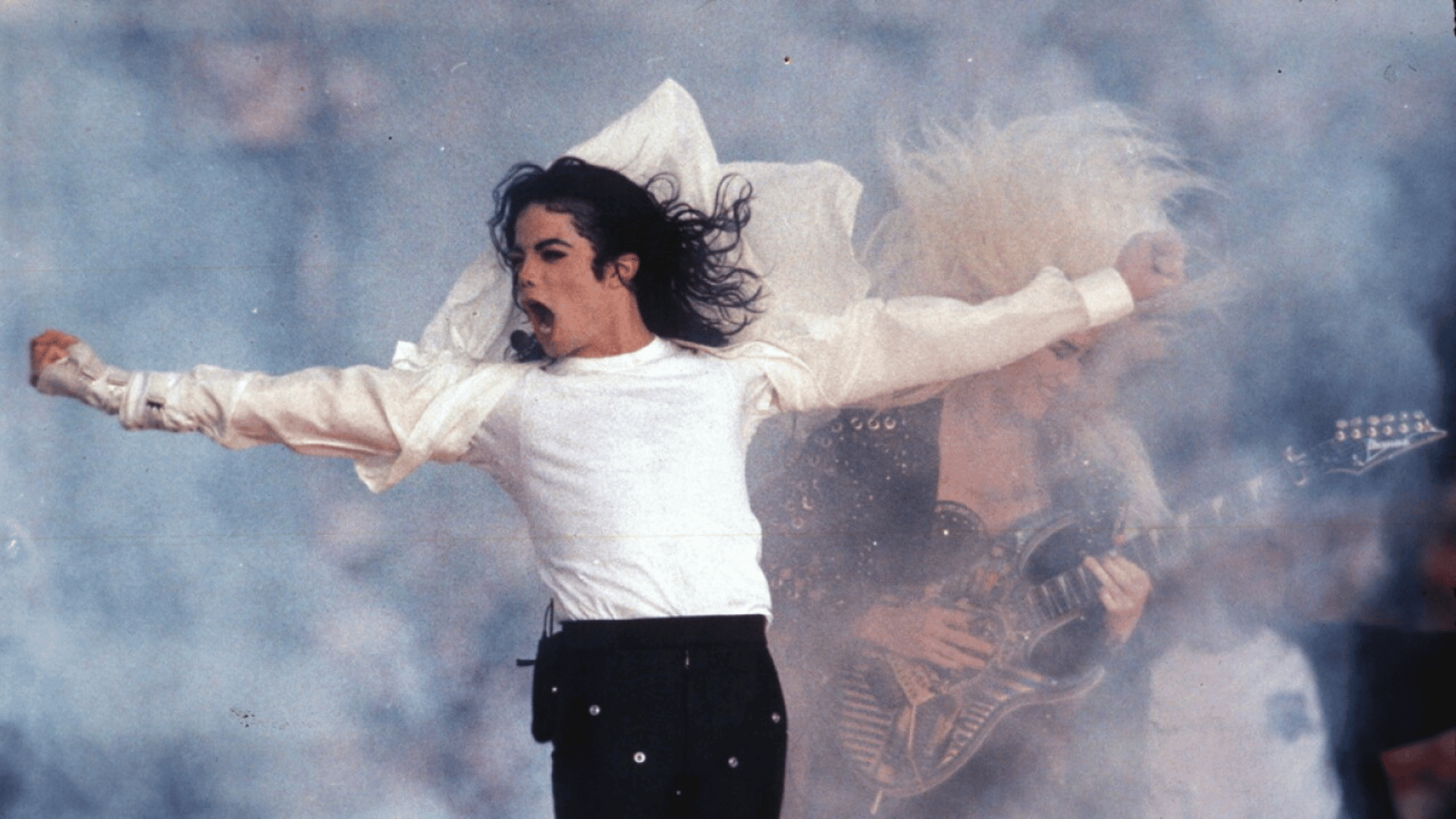
Image Source: ScrippsNews
Around 12:30 AM, Jackson returned home from the Staples Center rehearsal.
He could not sleep. Murray gave him lorazepam, then midazolam. Neither worked. Around 10:40 AM, Murray administered propofol via IV drip, and Jackson fell asleep.
Shortly after, Jackson stopped breathing. Murray says he stepped away briefly and returned to find him unresponsive.
He attempted CPR but did not call 911. Phone records shown at trial indicated Murray had been making personal calls around this time.
He kept trying to resuscitate Jackson on his own for roughly 82 minutes before a security guard placed the emergency call.
When paramedics arrived, Murray did not disclose the propofol. Without knowing what drug was involved, they couldn’t treat it correctly. UCLA doctors worked on him for over an hour.
At 2:26 PM, they called it.
How Old was Michael Jackson when He Died?
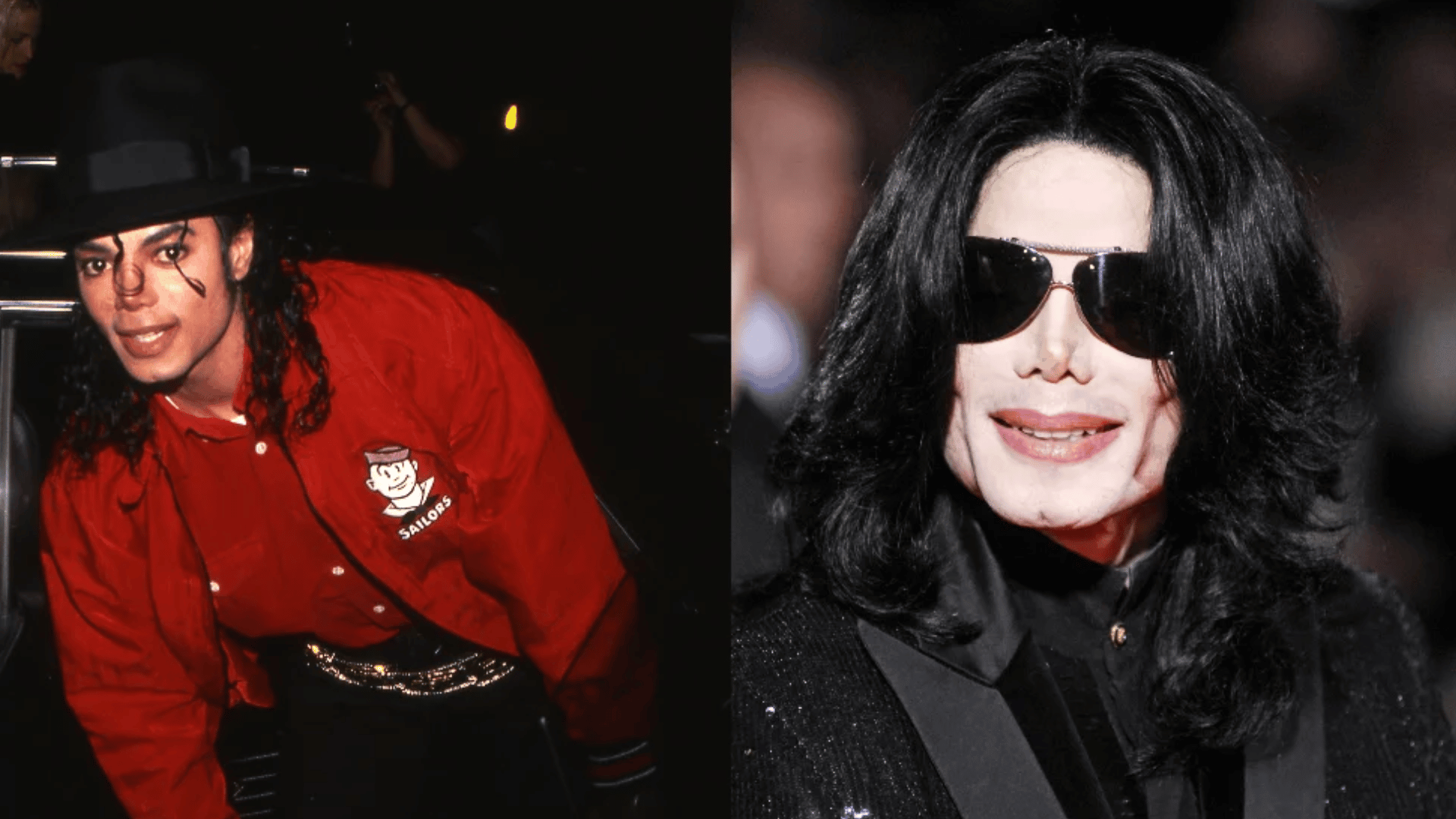
He was 50 Years Old. Born August 29, 1958, he would have turned 51 that summer, two months after he died. If he had lived, Jackson would be 67 years old today.
In the weeks before his death, people close to him described him as thin and exhausted.
Court testimony was more specific: he had been going days at a time without real sleep during the rehearsal period.
Murray later admitted to police that Jackson had been asking for propofol every night, that nothing else was touching the insomnia, and that Jackson believed it was the only thing that could give him actual rest.
Who was Conrad Murray?
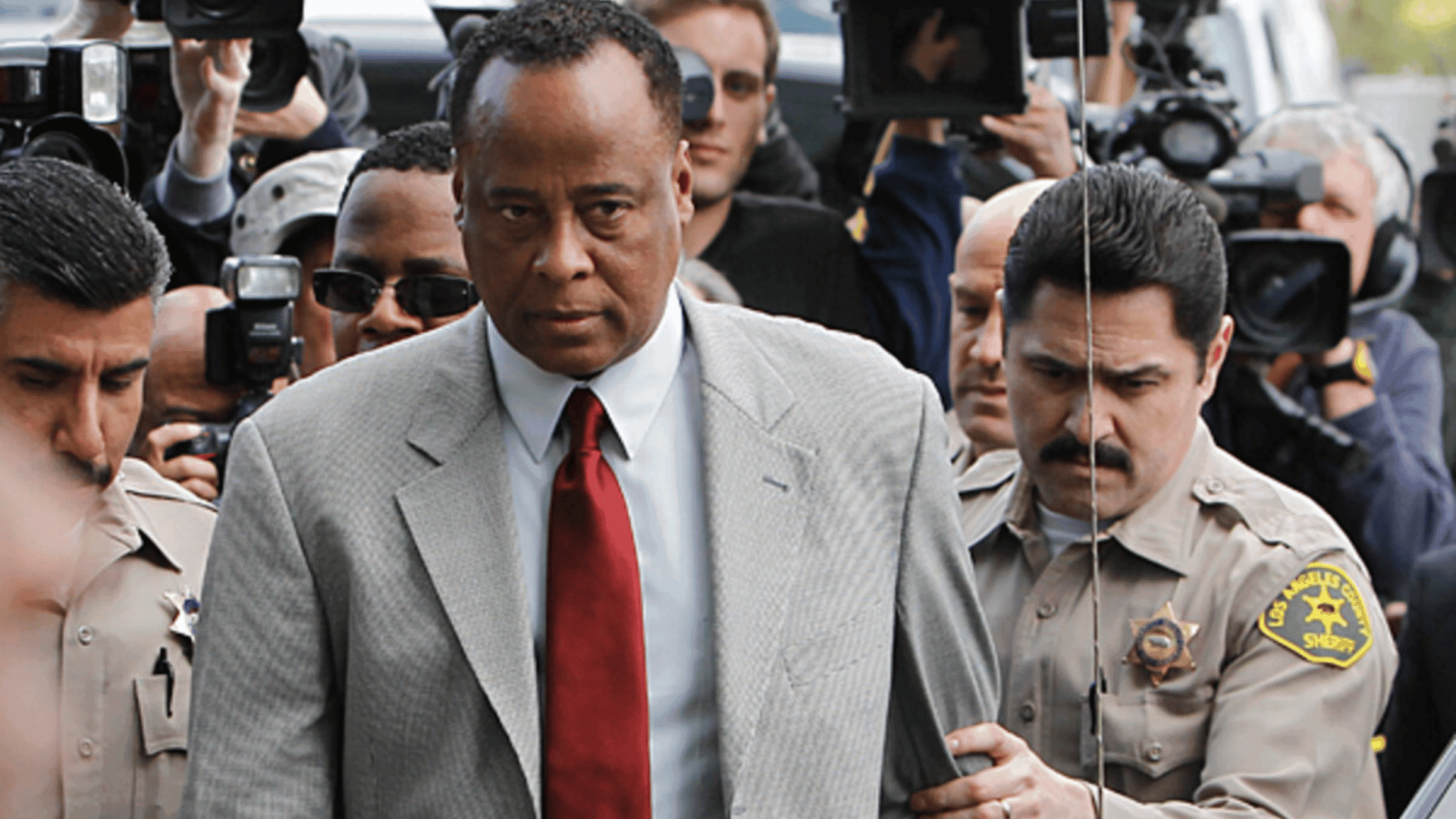
Image Source: CS Monitor
Conrad Murray was a cardiologist from Las Vegas who was hired in early 2009 to serve as Jackson’s on-call personal physician during the “This Is It” period.
He was paid $150,000 a month. In February 2010, he was charged with involuntary manslaughter. He pleaded not guilty.
The prosecution’s case was that Murray created the conditions that killed Jackson: 2 months of nightly propofol in a home bedroom with no monitoring equipment, then a catastrophically slow emergency response.
The defense argued Jackson had secretly self-administered additional propofol while Murray stepped out. The jury rejected that.
Murray was convicted on November 7, 2011. Sentenced to four years in Los Angeles County Jail, he served approximately two years and was released in October 2013.
His medical licenses in California and Nevada were both revoked.
How the World Mourned Jackson
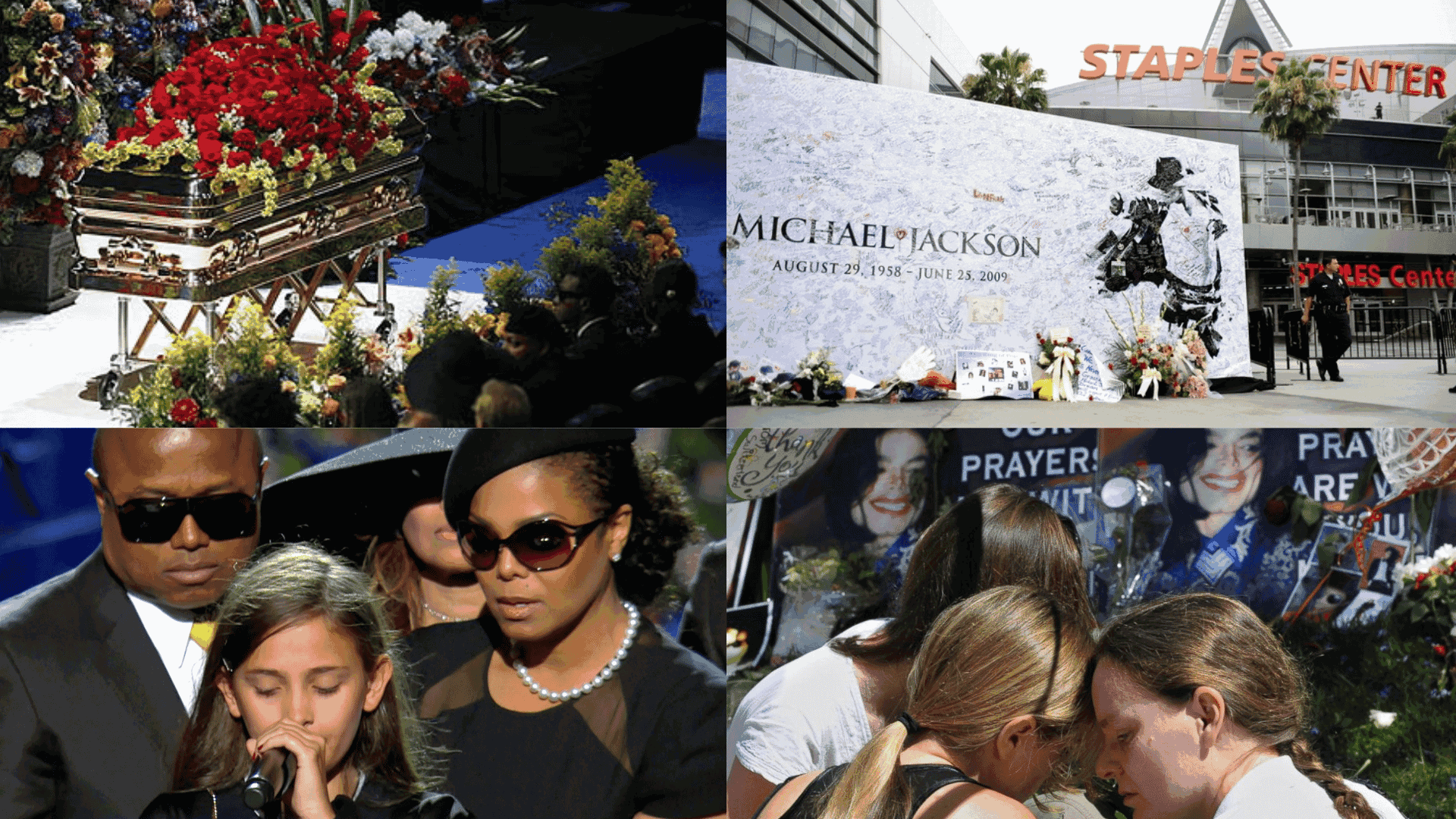
Twitter crashed. Google’s systems initially read the surge in searches for “Michael Jackson” as a possible cyberattack before engineers worked out what was happening.
The LA Times website went down. Seven of the top ten songs on iTunes were his within hours of the news breaking.
On July 7, 2009, a public memorial was held at the Staples Center, the same building where Jackson had run his final rehearsal thirteen days earlier.
About 17,500 people attended in person. An estimated 31 million watched in the US. Mariah Carey, Stevie Wonder, Jennifer Hudson, and Usher performed.
Near the end, Paris Jackson, then 11 years old, walked to the microphone. Most people had never heard her voice before. She said her father was “the best father you could ever imagine.” Her grandmother guided her back.
Forbes ranked him the top-earning deceased celebrity for five consecutive years. The estate brought in more than $825 million in 2016 alone.
The 2009 documentary This Is It, cut from rehearsal footage shot in the weeks before his death, became one of the highest-grossing concert documentaries ever made.
Whatever you conclude about what happened in June 2009, those clips show what he was still capable of at 50.
What the Michael Left Out, and What Michael 2 might Cover
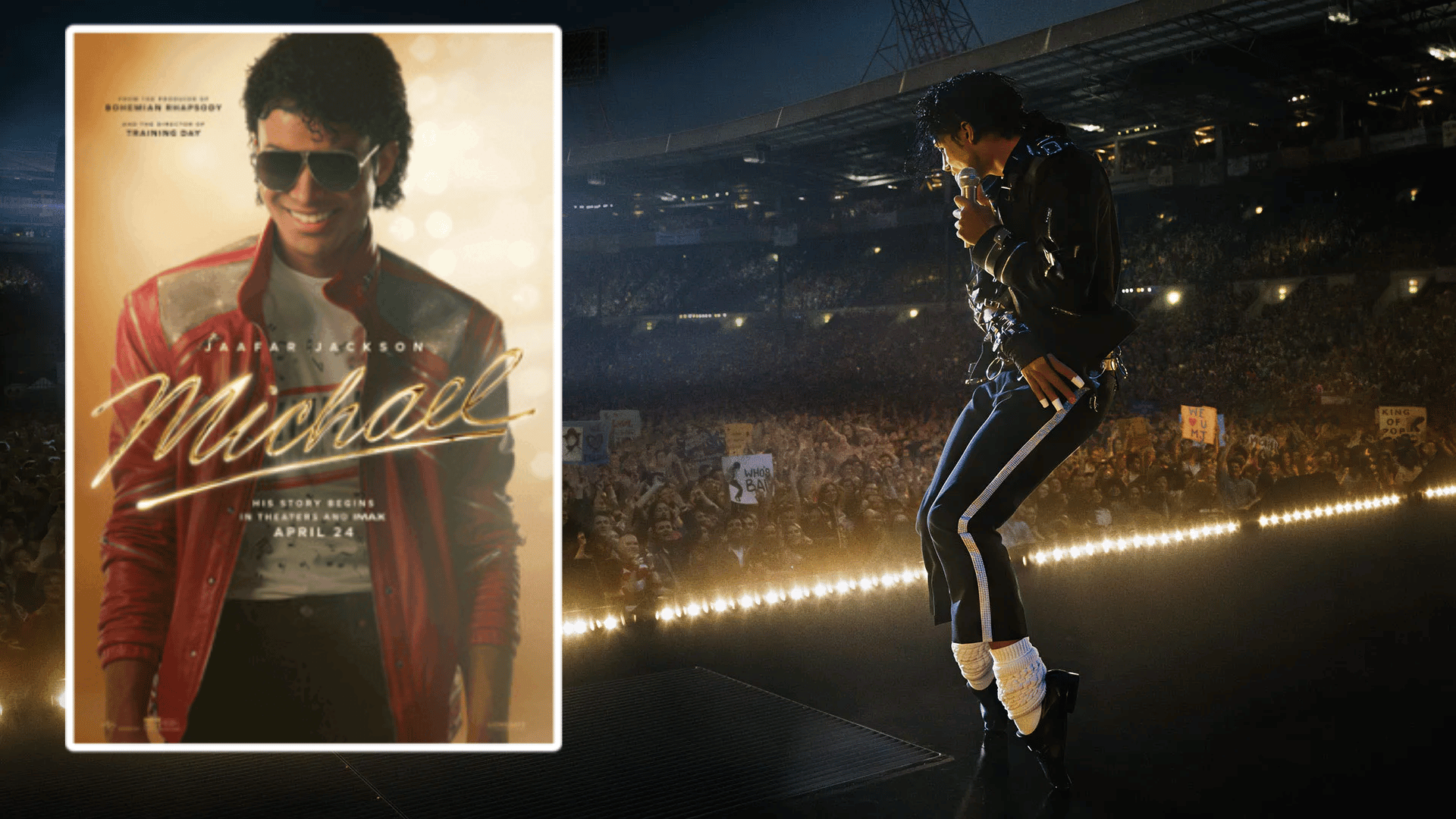
The film ends before 2009. Jackson’s death, Conrad Murray, the propofol, the trial: none of it is depicted.
The reason: the film’s original third act had to be rebuilt after the estate discovered a clause in its 1993 settlement with Jordan Chandler that barred Chandler from being depicted in commercial projects.
Nobody caught this during production. The fix required 22 days of additional filming at a reported cost of around $50 million.
Michael 2 is now officially confirmed. The first film crossed $700 million globally, clearing whatever internal threshold Lionsgate needed.
Chairman Adam Fogelson confirmed the sequel is in active development, with filming expected in late 2026 or 2027.
The sequel is expected to cover Jackson’s later years, including the Dangerous and Invincible albums and Neverland Ranch. Whether it will engage with the sexual abuse allegations remains unanswered.
Fogelson said only: “It’s a really complicated question, and I’m not sure I am the best person or now is the best time.”
Jackson was acquitted of all criminal charges in 2005 and always denied any abuse.
The Cascio family filed a new federal lawsuit in February 2026 alleging abuse. The estate called it “a desperate money grab.” That case is ongoing.
DisclaimerThe information in this article has been sourced and verified from the following publications for accuracy and credibility:
This article is intended for informational purposes only. All facts relating to Michael Jackson’s cause of death, the Conrad Murray trial, and the Michael biopic are drawn from publicly available court records, coroner findings, and verified media reporting. No claims beyond what has been officially established are made. |
Conclusion
Michael Jackson’s death remains one of the most shocking moments in music history, not just because of who he was, but because of how it happened.
Conrad Murray’s conviction answered the legal side of the case, but the larger story still leaves difficult questions about fame, pressure, insomnia, and the people surrounding Jackson during the final months of his life.
More than a decade later, public interest in Michael Jackson’s death has never fully disappeared. Part of that comes from the unanswered “what ifs.”
Another part comes from the scale of his influence. Even after his death, his music, performances, and cultural impact continue to shape pop culture around the world.
Frequently Asked Questions
How Old Would Michael Jackson be Today?
67 years old, as of 2026.
Did Michael Jackson Have Kids?
Yes, three. Prince (Michael Joseph Jackson Jr.) was born February 13, 1997. Paris, born April 3, 1998. Bigi was born on February 21, 2002, via surrogate. Jackson raised all 3 as a single father after his 1999 divorce from Debbie Rowe.
Did Michael Jackson die from fentanyl?
No. Fentanyl was not in his system. The drugs responsible were propofol and benzodiazepines.
Why Didn’t the Michael biopic Show how He Died?
The film ends before 2009. The third act was rebuilt after a clause in the estate’s 1993 Chandler settlement was discovered too late, requiring $50 million in reshoots.