People often mix up parole and probation. Both sound similar, but they work very differently in the legal system.
One happens before prison ends. The other keeps a person out of prison entirely. Knowing which is which can matter more than most people realize.
In this post, we break it all down clearly. You will learn how each system operates, who qualifies, what conditions apply, and what happens when rules are broken.
We also look at how different countries approach supervision and rehabilitation. By the end, you will have a solid grasp of both concepts, no legal background needed.
So if you have ever wondered how the justice system handles offenders outside prison walls, you are in the right place. Let us get started.
What is Parole?
Parole is the conditional early release of a prisoner before their full sentence ends. A parole board reviews the case and decides if the person is ready to return to society safely.
Once released, the person still serves the rest of their sentence, but outside prison walls. They report regularly to a parole officer who monitors their behavior and compliance.
Eligibility depends on time served, conduct in prison, and the type of crime committed. Good behavior often increases the chances of approval.
Common conditions include regular check-ins, curfews, approved housing, and travel restrictions. Violating any condition can send the person back to prison.
For example, someone convicted of theft and sentenced to 5 years may be released after 3 years on parole. They must follow all set conditions until their sentence officially ends.
What is Probation?
Probation is a court-ordered sentence that allows an offender to remain in the community rather than serve a prison sentence. A judge grants it as part of the sentencing decision, not after serving time behind bars.
It works as a direct alternative to incarceration. Courts can offer probation for both felony and misdemeanor offenses, depending on the case details and the offender’s background.
First-time offenders and those convicted of non-violent crimes are most likely to qualify. Judges consider criminal history, the severity of the offense, and the person’s overall profile.
Conditions typically include regular meetings with a probation officer, drug testing, counseling, rehabilitation programs, and community service hours. Failing to meet these terms can result in jail time.
For example, someone convicted of drug possession may receive probation instead of prison. They must attend rehab and check in regularly with their officer to remain compliant.
Parole vs. Probation: Quick Comparison:
| Factor | Parole | Probation |
|---|---|---|
| When It Starts | After serving prison time | Instead of going to prison |
| Who Decides | Parole board | A judge in court |
| Best For | Offenders already in prison | First-time or non-violent offenders |
Applications of Parole and Probation
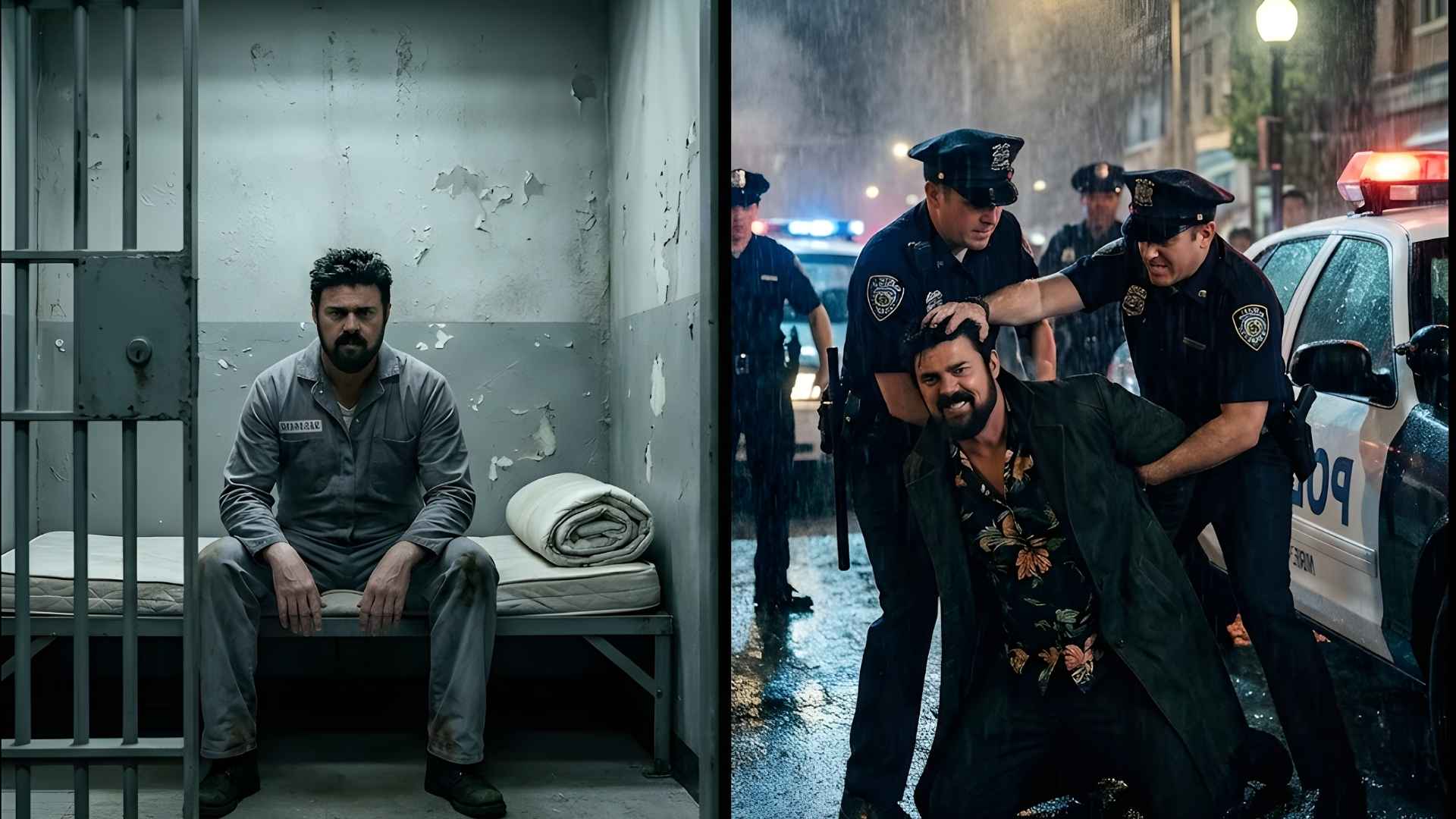
While both systems aim to reduce recidivism, their applications differ significantly based on the severity of the crime and the legal status of the offender
| Application | Parole | Probation |
|---|---|---|
| Criminal Cases | Used after serving part of a prison sentence | Used as an alternative to prison for minor crimes |
| Supervision Type | Monitored by a parole officer post-release | Monitored by a probation officer in the community |
| Violent Crimes | Applied to serious offenders after review | Rarely applied to violent offenders |
| Drug Offenses | Granted, after prison time for drug-related crimes | Granted, instead of prison with mandatory rehab |
| First-Time Offenders | Less common for first-time offenders | Commonly used for first-time offenders |
| Felony Cases | Used for felons released early from prison | Can be granted for both felony and misdemeanor cases |
| Juvenile Cases | Rarely used for juveniles | Commonly used for juvenile offenders |
| Breach of Terms | Results in return to prison | Results in serving the original jail sentence |
Quick Note: Both tools serve one goal keeping offenders accountable while giving them a chance to rebuild their lives outside prison walls.
Similarities Between Parole and Probation
Both parole and probation keep offenders in the community under close supervision. Neither is a free pass. Both come with strict conditions that must be followed without exception.
Reporting regularly to an officer is required in both cases. Drug and substance testing is also a standard condition for both. Missing a check-in or failing a test can lead to serious consequences.
At their core, both systems share the same goal. They aim to reduce the chances of reoffending by offering structured support. This includes access to counseling, rehabilitation programs, and community resources.
Think of both as a second chance with responsibility attached. The state is watching, but the door to a better life stays open as long as the person stays on the right path.
What Happens When Conditions Are Violated?
Breaking the terms of either parole or probation is treated seriously by the law. The consequences depend on the type and severity of the violation.
| Factor | Probation Violation | Parole Violation |
|---|---|---|
| Hearing Type | Court hearing before a judge | Revocation hearing before the parole board |
| Possible Outcome | Jail time or stricter conditions | Sent back to prison |
| Who Decides | Judge | Parole board |
| Global Perspectives on Parole and Probation
Different countries handle parole and probation differently. The U.S. focuses on supervision, the UK emphasizes rehabilitation, and many other countries blend both approaches based on their legal systems and social values. |
Conclusion
These are two different tools the justice system uses to supervise offenders outside prison. Parole comes after serving prison time. Probation keeps offenders out of prison from the start.
Both require following the strict conditions. Both aim to reduce reoffending. And both offer a real chance to rebuild life in the community.
Understanding the difference between parole and probation helps you make sense of how the legal system works, whether for yourself, a loved one, or general knowledge.
Have questions about a specific case or situation? Drop them in the comments below. We read every question and do our best to help.
Found this useful? Share it with someone who needs it. You might help someone make a better-informed decision today.
Frequently Asked Questions
Can a Person on Probation or Parole Travel Out of State?
No, not without explicit permission. Individuals under supervision must usually obtain a travel permit from their probation or parole officer before leaving the jurisdiction.
Do Individuals on Parole or Probation Have Fourth Amendment Rights?
Their rights are significantly limited. In the U.S., the Supreme Court has ruled that those on parole or probation have a “reduced expectation of privacy.”
Is Parole or Probation Considered a “Right” for All Offenders?
No, both are considered privileges, not rights. While laws define who is eligible for parole, a parole board has the ultimate discretion to deny it based on the risk to public safety.
Can You Be Drug Tested While on Probation Even if Your Crime Wasn’t Drug-Related?
Yes. “Abstaining from illegal substances” is a standard condition in almost all supervision agreements. Even if the underlying conviction was for a white-collar crime or theft.
Can You Get Off Probation or Parole Early?
Often, yes. Many jurisdictions allow for early termination if the individual has served a specific portion of their time (usually 50%), paid all restitution and fines, and maintained “clear conduct” without any violations.