Classrooms look different now compared to 10 years ago. Students bring laptops to every lecture and expect software to work instantly. Teachers want to spend time teaching rather than fixing tech issues. Delivering the right apps to every student device is a massive challenge for schools today. Success means making sure learning never stops for a broken download or a missing license.
Breaking Down The Digital Divide In Education
Classroom equity is a major topic for school leaders. Since many colleges now use application streaming to send software directly to student devices, the digital divide is shrinking. It makes sure every person has the same chance to succeed regardless of their budget. This shift removes the need for students to own expensive, high-end hardware just to finish their homework.
Imaging labs used to be the only way to provide software. Tech staff spent weeks every summer wiping hard drives and installing programs one by one.
Modern delivery removes that slow cycle. Every student gets the same tools on the first day of class. It creates a level playing field where talent matters more than the price of a laptop.
Supporting Diverse Hardware Requirements
Students arrive on campus with a massive variety of personal hardware. One person might use a high-end gaming machine while another has a simple budget model.
A guide for student programs suggests that learners need a mobile device – like a laptop or tablet – that meets the specs for their course. Meeting these needs without forcing everyone to buy the same $2000 machine is a huge task for any school.
Cloud-based delivery solves the compatibility gap. It lets a basic tablet run a program that normally requires a massive graphics card.
Students can pick the device that fits their lifestyle and their wallet. The software runs in a virtual space and streams the interface to the screen. It keeps the student experience consistent across every type of device.
Managing Operational Drag On Campus
IT teams face a constant battle against outdated software and security patches. They often have to manage hundreds of different endpoints at once.
A report from a major research group notes that fragmented management is a huge driver of operational drag and security risks. Centralizing how apps are delivered removes these friction points. It simplifies the day-to-day tasks of the tech team.
Updates happen in the background without bothering the user. A single fix applied at the server level reaches every student device instantly. This saves thousands of hours of manual labor over a single school year.
Staff can focus on improving the network instead of fixing individual laptops. Security stays tight because the software is managed from a single point.
Scaling Resources Without High Maintenance
Budgets stay tight even as the demand for technology grows. Building and cooling physical computer labs is one of the biggest costs for a university.
A post about digital learning highlights that streaming tools lower costs by removing hidden fees and expensive infrastructure upkeep. Schools can repurpose old lab spaces into study areas or social zones.
Virtualizing the software saves money on energy and physical security. It lets the IT department do more with the funds they already have.
Savings can then go toward better student support or new teaching resources. This approach saves the institution from buying 50 new desktop PCs every few years. It makes the campus more efficient and sustainable.
Improving Student Access To Specialist Tools
Students in STEM and creative arts rely on heavy software. Programs for 3D modeling or statistical analysis are rarely small or easy to install.
- Software stays updated without user effort.
- Laptops do not overheat during heavy tasks.
- Files save automatically to the cloud.
- Students can switch between devices easily.
Learning becomes more mobile when the software follows the student. They can start a project in a lecture and finish it at home without carrying a heavy workstation.
These tools are ready the moment a student logs in. This flexibility changes how students plan their study time. They are no longer stuck in a basement lab until 2 am.
Streamlining IT Support Cycles
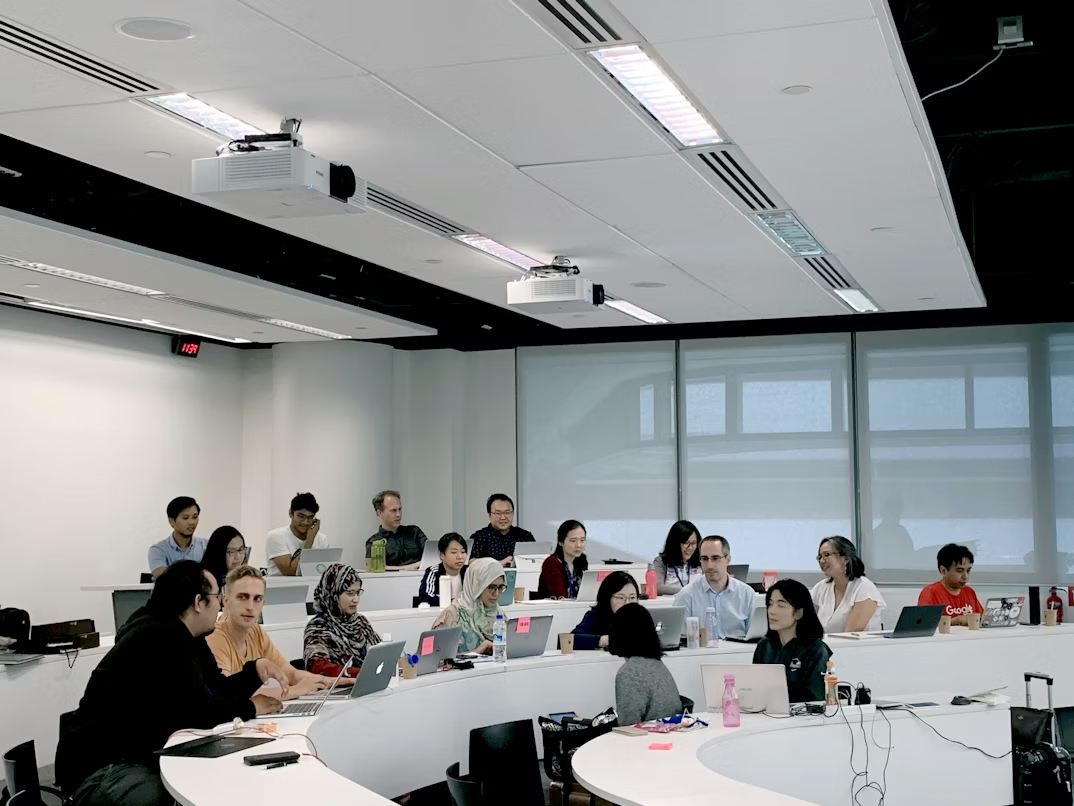
The first week of a semester is often a nightmare for support staff. Lines of students out the door usually mean there are software installation errors.
Reliability improves when students can serve themselves. They do not need an admin password or a special cable to get their apps. A simple web portal gives them everything they need for their specific classes.
Support tickets for missing software or broken installs vanish. IT staff then have the time to help with complex research projects or campus – wide upgrades.
The entire school runs more smoothly when the basic tools are easy to find. Systems that work well build confidence in the digital environment. It reduces the stress felt by both students and teachers.
Education is changing fast, and technology must keep up. Delivering software efficiently is the backbone of a successful modern campus. It removes the barriers that stop students from reaching their full potential.
When tech works well, it fades into the background. Students can focus on their goals and teachers can focus on their lessons. A smart approach to app delivery creates a better environment for everyone. It is the future of how we learn and grow together.