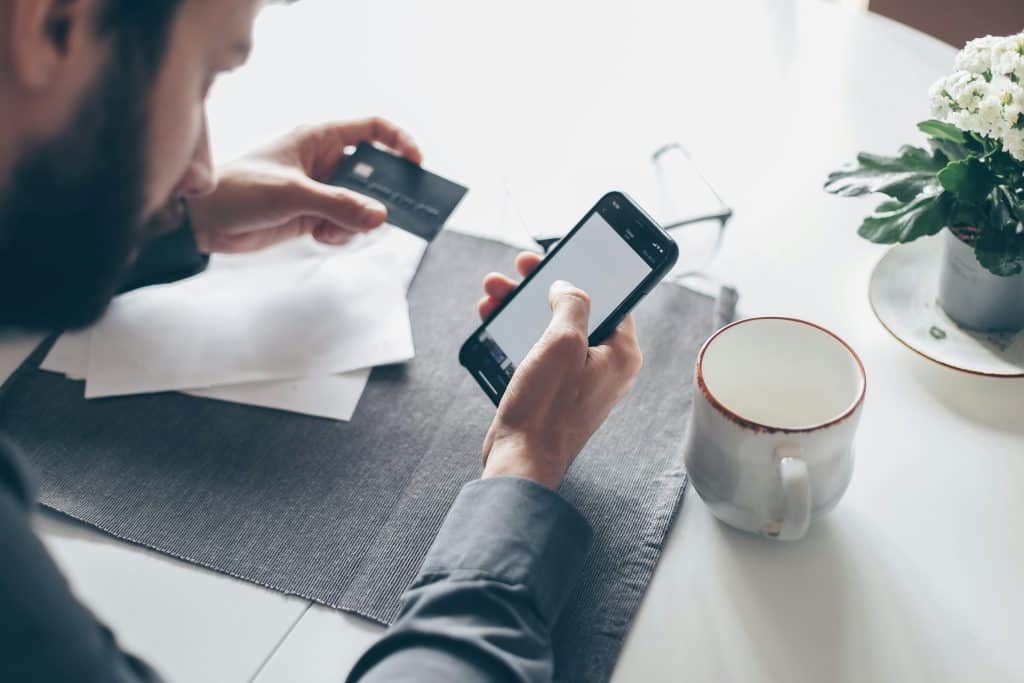
There was a time, not so long ago, when receiving a check meant adding a specific chore to your to do list. You had to find a physical bank branch, check their operating hours, and often stand in a line that seemed to move at a glacial pace. For many Americans, this was just part of life. But in our current fast-paced world, those extra twenty or thirty minutes are precious. The shift toward digital solutions has turned what used to be a half day errand into a thirty second task performed from the comfort of a living room sofa.
The evolution of mobile banking is more than just a technological upgrade. It is a fundamental shift in how we value our time. By removing the physical barriers between us and our money, we are reclaiming moments of our day that were previously lost to logistics.
The End of the Bank Run
We have all experienced the frustration of rushing to a bank before it closes at five in the afternoon. Perhaps you received a birthday gift from a relative, a reimbursement from work, or a tax refund. In the past, that piece of paper was useless until you could physically hand it to a teller. If you missed the window, that money sat idle for another day.
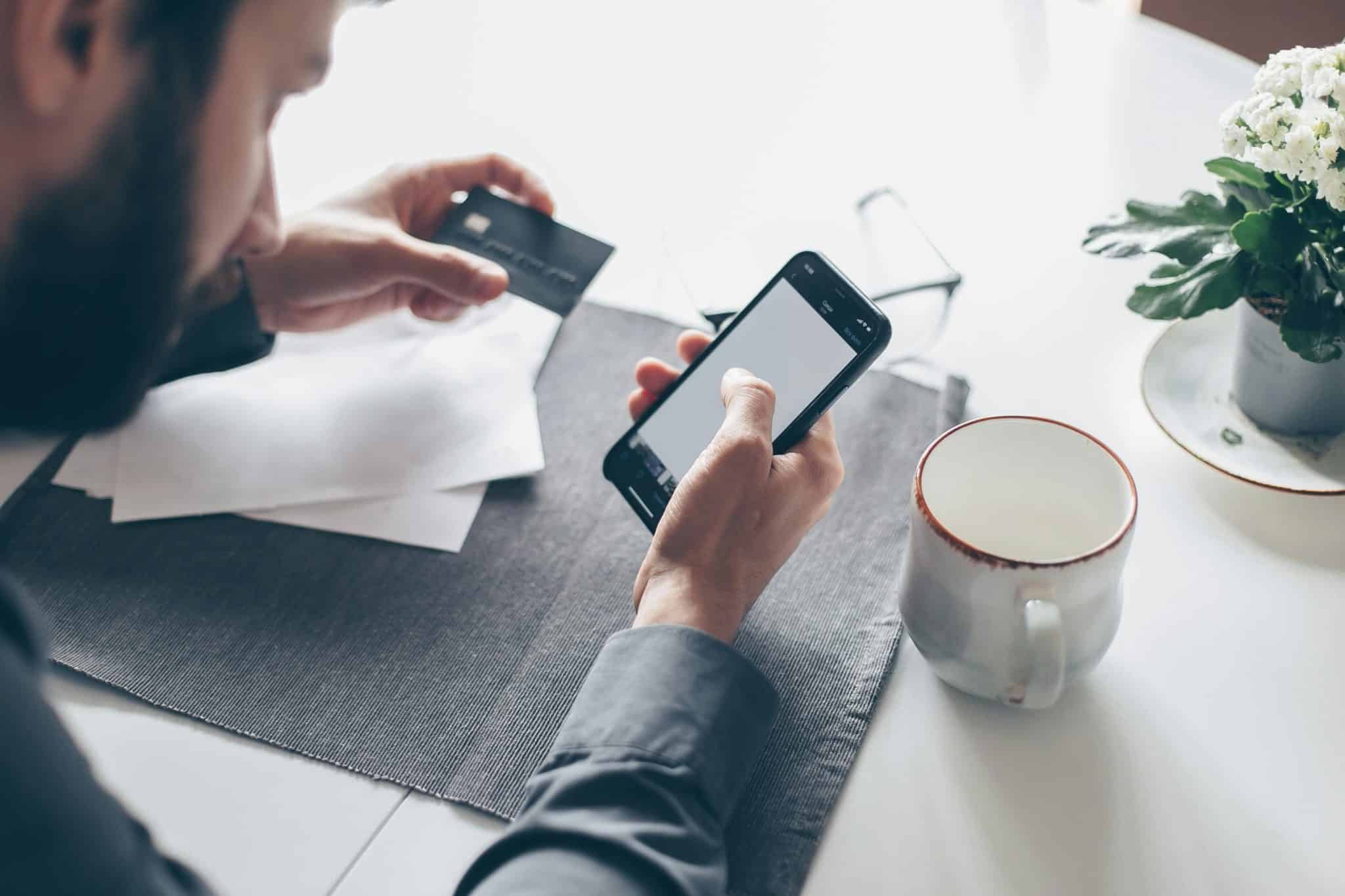
With mobile technology, the bank is always open. It does not matter if it is midnight on a Sunday or early on a Tuesday morning. The ability to process a transaction the moment you receive the document is a significant win for personal productivity. It eliminates the mental clutter of having a “deposit check” lingering on a sticky note or a digital reminder app.
Better Cash Flow Management
For many households, managing cash flow is a delicate balancing act. When you are waiting for funds to clear so you can pay a bill or move money into a savings account, every hour counts. Traditional deposits often involve a waiting period that starts only after the bank receives the physical paper.
When you use a digital interface, that process starts immediately. You get an instant confirmation that the image was captured and the processing has begun. This transparency allows you to plan your finances with much more precision. You know exactly when your balance will reflect the new funds, which reduces the stress of “floating” payments or worrying about potential overdrafts. It gives you a real-time view of your financial health.
Accessibility for All

One of the most profound impacts of mobile banking is how it helps people who live in “banking deserts.” In many parts of the United States, physical bank branches are becoming increasingly rare. For a consumer in a rural area, a trip to the bank might involve a thirty-mile drive. This is not just an inconvenience; it is a financial burden in terms of gas and time.
Mobile tools level the playing field. As long as you have a smartphone and a data connection, you have the same level of service as someone living in the heart of a major city. Features like the SoFi mobile banking deposit feature ensure that geography is no longer a barrier to financial health. You can stay focused on your work or your family without having to plan your entire day around a trip to a neighboring town.
Security and Peace of Mind
There is also a significant security advantage to depositing checks digitally. When you carry a physical check around in your wallet or leave it on your kitchen counter, there is a risk of it being lost, stolen, or damaged. Once a check is lost, the process of getting a replacement can be long and awkward.
When you deposit it through an app, the digital record is created instantly. Most banking apps do not even store the image of the check on your phone’s gallery; they send it directly to secure servers. Once the app confirms the deposit is successful, you can mark the paper copy as “deposited” and file it away safely or shred it after a few days. This minimizes the time that a sensitive financial document is out in the open.
The Environmental and Economic Impact
While the individual benefits are clear, there is also a larger picture to consider. Every trip to a bank branch that is avoided results in less carbon output. Every paper slip that is not printed for a manual deposit is a win for sustainability. On a national scale, these small changes add up to a massive reduction in the traditional banking footprint.
Furthermore, banks that embrace digital-first strategies often have lower overhead costs. These savings are frequently passed down to the consumer in the form of lower fees or better interest rates. By choosing to use mobile features, you are participating in a more efficient economic model that rewards the consumer for being tech savvy.
A More Intentional Life
Ultimately, simplifying your financial life is about more than just numbers on a screen. It is about reducing friction. When your banking is integrated into your digital life, it stops feeling like a separate, heavy obligation. It becomes just another seamless part of your day, like checking the weather or sending a text message.
We are living in an era where we can finally dictate the terms of our relationship with money. We no longer have to fit our lives into the rigid schedules of traditional institutions. Instead, the institutions are adapting to us. This shift allows us to be more present in our actual lives, spending our time on the people and passions that matter most while our finances hum along quietly in the background.