Depreciation is the single biggest cost of car ownership. It affects new cars the most, but it still plays a major role in used car pricing. If you understand how depreciation works, you can avoid overpaying and choose a vehicle that holds its value better over time.
This guide explains how used car depreciation actually works and how buyers can use it to make smarter decisions.
What Depreciation Means
Car depreciation, in plain language, is the loss of resale value from the moment a vehicle is titled and driven off the lot. In the U.S., the average new car loses approximately 20%–30% in year one and around 50% by year five.
For a private car buyer, depreciation shows up simply as: purchase price minus what you can realistically resell or trade the car for later. If you buy a car for $30,000 and sell it 5 years later for $13,000, your total depreciation was $17,000, which is the real cost of ownership beyond gas and maintenance.
Depreciation is influenced by certain “predictable” factors (age, mileage, wear and tear) and less predictable ones such as fuel prices, EV incentives, or supply chain disruptions.
The Early Years Are the Most Expensive
A new vehicle loses value the moment it is titled. The first year typically sees the sharpest percentage drop, and years two and three continue that downward trend at a strong pace. After that, the curve becomes more gradual.
By the time a vehicle is three to five years old, much of the initial depreciation has already occurred. That is one reason many buyers focus on lightly used vehicles in that age range. You get modern features and safety systems without absorbing the most aggressive value decline.
Why Some Cars Lose Value Faster Than Others
Depreciation is not identical across all vehicles, since market demand plays a major role. This means reliable models with strong brand reputations tend to retain value more consistently. Popular body styles such as SUVs and trucks also hold demand better than less common configurations.
On the other hand, vehicles with weaker reliability histories or high repair complexity tend to depreciate more quickly. Luxury vehicles often fall into this category. They may drop in price rapidly during the first several years, which can make them look like strong bargains. However, their maintenance and repair costs often remain high even as resale value declines.
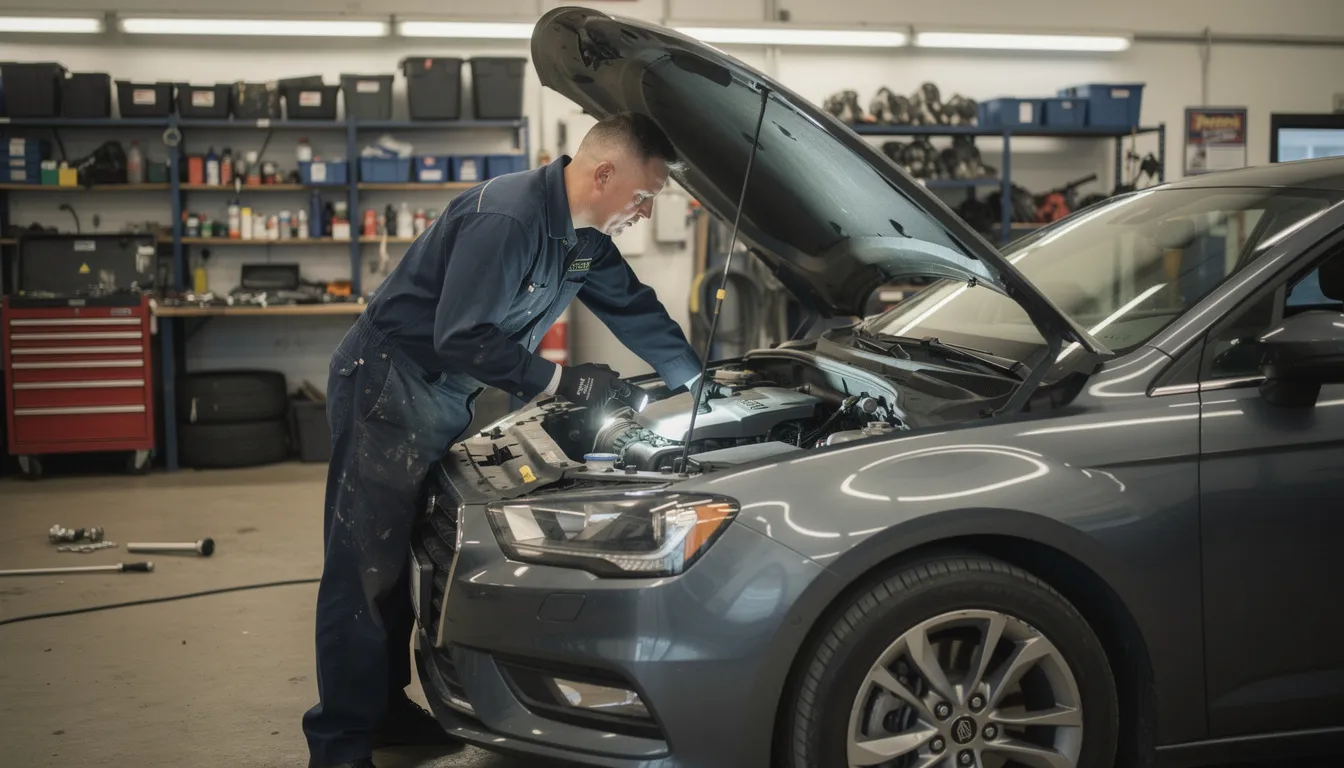
This is why two vehicles with similar mileage and age can have noticeably different prices when browsing listings on online marketplaces. Depreciation patterns reflect how the market perceives long-term ownership risk.
How To Avoid Overpaying?
Understanding depreciation is useful to protect your budget. You can use these practical guidelines when evaluating any used car.
Compare Similar Vehicles, Not Just One Listing
Never judge value based on a single listing. One price does not define the market. Instead, compare vehicles with:
- The same model year
- Similar mileage range
- The same trim level
- Comparable condition
This comparison reveals the real pricing range. If one vehicle is priced noticeably higher than similar options, there should be a clear reason such as lower mileage, better service records, or added features.
Browsing a wide range of comparable listings can help you quickly identify realistic pricing patterns across different regions.
Evaluate Where the Car Sits on the Depreciation Curve
Do not focus only on how much the car has already depreciated. Think about how much depreciation is still ahead.
A nearly new vehicle often looks attractive because it feels close to new. However, it may still have several years of faster value decline ahead of it. A car that is already three to five years old usually sits on a flatter depreciation curve.
Be Realistic About Resale Plans
Your timeline should influence your decision.
If you plan to:
- Keep the vehicle long term, resale value matters less.
- Trade in within three to five years, depreciation becomes more important.
Buying a vehicle that retains steady demand in the used market protects you when it is time to sell. Popular body styles and reliable brands typically create more stable resale outcomes.
Look Beyond the Sticker Price
A lower price does not automatically mean better value.
Luxury vehicles are a common example. They often depreciate quickly during the first few years. That can make them look like strong bargains compared to their original MSRP.
However, ownership costs do not decline at the same rate. Parts, specialized labor, insurance premiums, and technology repairs often remain expensive. A reduced purchase price can be offset by higher long-term costs.
Before committing, ask yourself whether the total cost of ownership aligns with your budget, not just the purchase price.
Use Depreciation as a Filter, Not Just a Fact
Depreciation should guide your shortlisting process. When reviewing options, consider:
- Has this vehicle already absorbed its steepest value drop?
- Is it approaching a major mileage milestone that may affect resale?
- Does the model have consistent market demand?
These questions help you move from reactive shopping to informed decision-making.
Overpaying usually happens when buyers rely on emotion or urgency. Comparing similar vehicles, considering future depreciation, and evaluating long-term ownership costs creates a more stable framework.