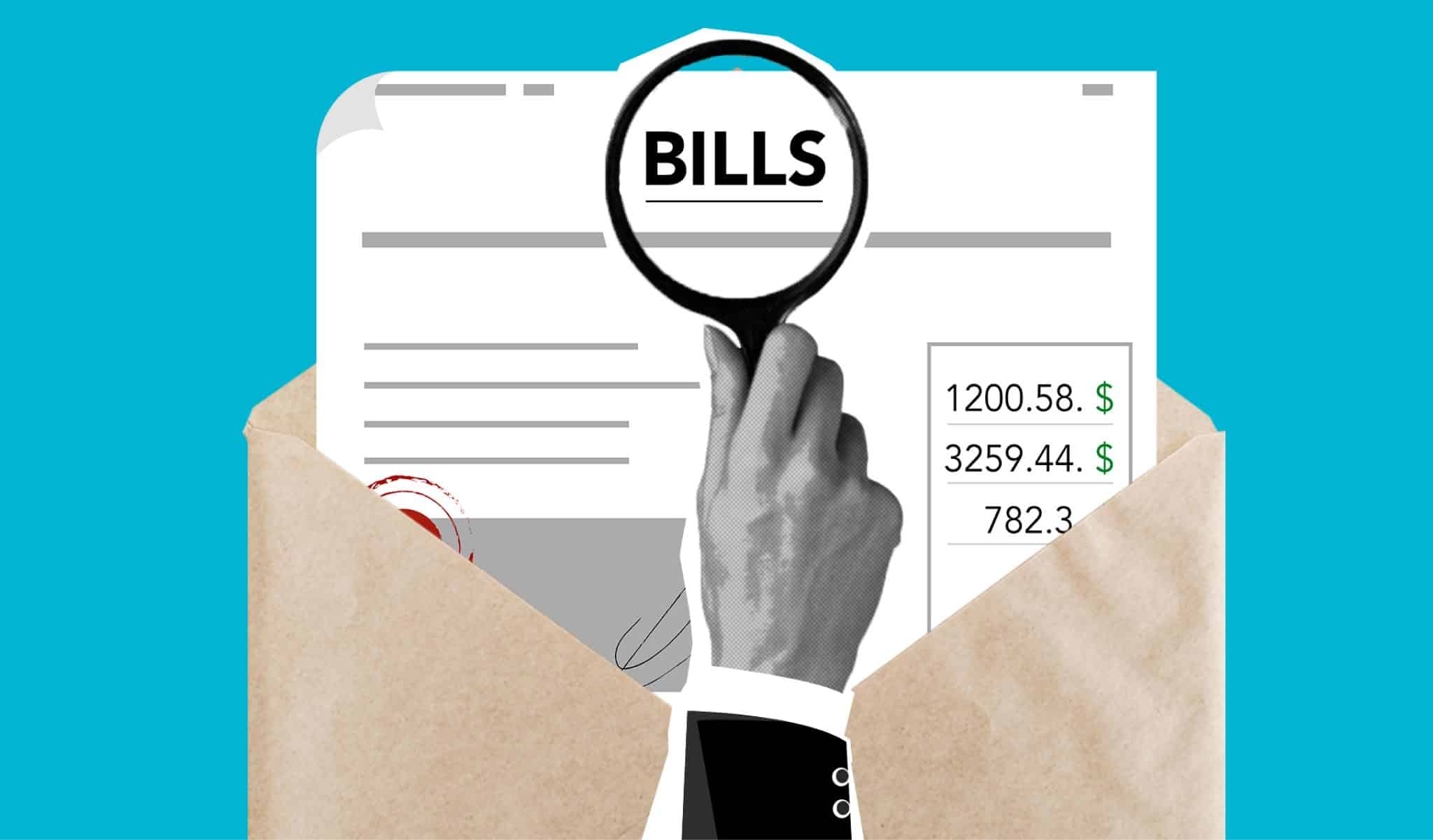

Accurate billing plays an essential role in the financial stability of any skilled care organization. What may appear to be a minor billing error can lead to significant challenges, including compliance concerns and revenue loss. As regulations become more complex, many providers continue to seek ways to explore services that improve billing accuracy and reduce risk.
Why Billing Accuracy Matters
Skilled care facilities manage a constant flow of patient records, care plans, and insurance claims. Each service provided must be documented properly and linked to the correct billing code. When mistakes happen, they can affect reimbursement and create concerns during audits or reviews.
The billing process is often more complicated than it appears. Multiple team members may be involved, and providers must follow detailed payer and regulatory requirements. As workloads increase and rules change, the risk of billing errors naturally grows.
Common Sources of Billing Errors
Documentation problems are among the most common causes of billing errors in skilled care settings. Important notes may be overlooked, records may be incomplete, or treatment details may not be clearly documented. When the documentation does not fully support the services billed, it can raise concerns during audits and reviews.
Billing accuracy is becoming more important than ever for healthcare providers. Even one incorrect code can lead to claims being overbilled or underbilled, creating extra work and possible payment delays. When the same coding issues happen again and again, payers and regulators may start to take a closer look.
For teams looking to stay ahead of these challenges, ongoing training is key. Healthcare regulations and reimbursement requirements change often, so employees need regular updates to keep their billing practices current. With the right education and support, staff can feel more confident in their work and reduce the risk of costly coding mistakes.
How Small Errors Become Bigger Problems
Billing mistakes can seem like no big deal when they only happen once in a while. The problem is when the same errors keep popping up. Over time, those mistakes can catch the attention of insurance companies and regulators, which may lead to extra reviews and more questions about how claims are being handled.
If auditors start noticing a pattern, they may decide to take a closer look at an organization’s billing records. That often means staff have to spend time gathering paperwork, checking claims, and responding to requests for information. For teams that are already busy, it can quickly become one more thing on an already full plate.
There can be financial consequences, too. Claims may be delayed, denied, or even require repayment if mistakes are found. In some cases, ongoing billing issues can result in fines or other penalties. That’s why catching errors early can save organizations a lot of time, money, and stress down the road.
The Connection Between Billing and Legal Risk
Billing mistakes can cause more problems than most people think. It is easy to assume an incorrect claim is just a simple error that can be fixed later, but insurance companies and regulators often expect providers to have accurate records and solid billing processes in place. When mistakes start adding up, it can create bigger issues for the organization.
Healthcare billing comes with a lot of rules, and even small errors can raise questions. If a claim contains incorrect information, providers may be asked to explain what happened, submit corrections, or provide additional records. In some cases, they may even have to return money that was paid out on a claim. That is why keeping billing and documentation accurate from the start can save a lot of time and headaches later on.
Billing mistakes can happen from time to time. The bigger problem is when the same errors keep showing up month after month. When that happens, it can look like no one is keeping a close eye on the billing process. That is why regular check-ins, staff training, and routine reviews can go a long way toward catching problems early and keeping things on track.
Technology and Specialized Support
Technology can help streamline billing processes and reduce human error. Automated systems often identify missing information before claims are submitted. This added layer of review can improve accuracy and efficiency.
Many organizations turn to home health billing solutions and specialized services to support compliance. These resources offer expertise in coding, documentation, and reimbursement requirements. Access to professionals helps providers remain current with industry changes.
Outside billing support can be a big help for organizations that do not have enough time or staff to handle everything on their own. Experienced billing specialists can spot patterns, suggest better ways to do things, and help prevent costly problems before they get worse.
Final Thoughts
Billing errors can lead to much more than delayed payments or denied claims. With the right processes and oversight in place, providers can address issues before they become larger compliance or legal concerns. Many organizations continue to explore services that help improve billing accuracy and support long-term regulatory compliance.