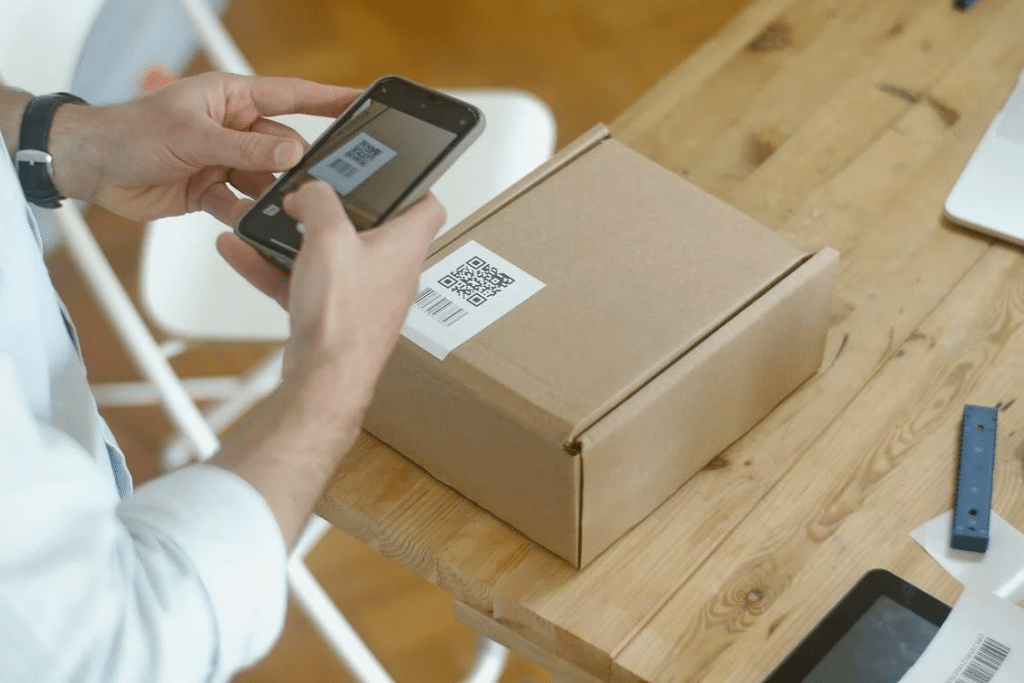
For many growing brands, QR codes have become a quiet but powerful way to draw people from a physical moment into a digital space. Whether it’s a poster, a product label, or a small card inside a shipping box, a scan often works faster than any typed link — which is why so many teams search for the best QR code generator site while trying to keep their workflow simple.
Instead of comparing tools as if they were gadgets on a shelf, this article looks at how different platforms fit into the everyday routines of creators, marketers, and small businesses that rely on QR mechanics to guide their audiences.
Why Brands Keep Turning to QR Tools
QR codes help brands communicate without overwhelming people. A scan can open a loyalty page, reveal hidden content, or link directly to a community hub. When teams use a QR code generator free option to build these touchpoints, the process becomes part of their larger communication strategy rather than a technical task. And because most campaigns change quickly, brands lean toward tools that let them adjust content without starting from scratch.
That’s especially important for ventures that publish seasonal offers, run pop-up events, or communicate with customers through packaging inserts. What they need is a QR code maker that keeps pace with shifting plans while remaining intuitive enough for anyone on the team to use. Below is a series of tools often chosen for this kind of flexible work — not as a ranking, but as a window into how creators apply them in real scenarios.
Tools Entrepreneurs Use to Shape Brand Engagement
People who work with multiple campaigns at once tend to appreciate how uncluttered the workspace feels. You can generate QR code links for events, packaging, or social redirects quickly, and the online QR code generator behind the dashboard remains stable even with large libraries.
ME-QR
ME-QR is often selected by teams that want one place to create, modify, and organize their QR codes without going through complicated onboarding. The platform allows users to update the content behind a QR code instantly, which helps when campaigns evolve faster than expected. It also includes a scanning dashboard that shows the time and location of each interaction along with the type of device used, giving teams a sense of how real audiences behave in practice. The system supports high-volume production of QR codes, offers visual branding elements like custom colors and personal domains, and integrates with corporate workflows through API connections.
Because the service operates globally, its interface is available in many languages, and its long-term usage data reflects millions of created and scanned codes along with hundreds of thousands of active users across different regions.
QR Planet
QR Planet is often used by creators who want a straightforward space where they can build and adjust QR code layouts without dealing with complex steps. Its structure stays clean, making it easy to navigate between different projects, and many users appreciate how reliably it performs when they generate codes for repeating events or recurring promotions.
At the same time, the tool doesn’t offer especially deep customization, and its analytics remain fairly modest, which may feel limiting to larger teams that rely heavily on performance insights.
Pageloot
Pageloot attracts people who like adding a bit of expression to their QR codes, since it includes a range of decorative templates that work well for stickers, small handouts, or branded inserts. Its preview option helps creators test different visual styles quickly, which can be useful for projects shaped heavily by design.
However, teams that need to produce large batches of QR codes might find the process slower than they’d prefer, and some of the templates begin to feel repetitive after being used in multiple campaigns.
Bitly
Bitly, widely known for link shortening, offers a QR feature that suits marketers who prefer keeping everything inside one familiar environment. For teams already tracking clicks and redirects through Bitly, attaching a QR code to each link becomes a natural extension of their workflow.
The platform keeps QR and link analytics in one place, which can simplify campaign tracking. Its limitations surface when users want visually rich QR outputs, since customization is minimal and the resulting codes tend to look more plain than those produced by design-focused tools.
QR.io
QR.io tends to work best for users who manage several campaigns at once and need a clean way to organize their growing library. Folders, labels, and other sorting options help them maintain clarity, which is especially useful for pop-up events or multi-location testing.
The platform’s predictable structure also appeals to users who value consistency across their projects. On the downside, its design tools offer a fairly narrow range of options, and some of the more advanced features take a little getting used to for those encountering them for the first time.
QRNow
QRNow is favored by people who want to generate QR codes quickly, especially during fast-moving or time-limited situations. Its interface is deliberately minimal, allowing users to focus solely on entering their content, choosing a color, and continuing their work with almost no delay.
While this simplicity makes it convenient for short-term tasks, it also means the tool lacks deeper tracking features and long-term organizational structure, which may be necessary for brands seeking ongoing data about audience behavior.
QR Spark
QR Spark centers on simple QR creation with a bit of added visual refinement, which makes it suitable for business cards, product inserts, or other small branded materials. Its design controls allow for modest customization without overwhelming the user, and the overall process feels familiar from one project to the next.
The limitations appear when teams need broader capabilities such as extensive analytics or high-volume QR production, since the platform is not built with those demands in mind.
How Brands Turn QR Codes Into Real Engagement
Below is the single required list — crafted to offer unique insights instead of generic “benefits”:
- Turning a package into an unfolding journey: one scan opens a rotating series of content pieces updated weekly through a QR generator free tool.
- Giving event visitors a backstage pass by embedding a QR code maker free link behind each badge, leading to behind-the-scenes micro-stories.
- Encouraging repeat engagement by letting customers unlock small surprises — recipes, care tips, or creative prompts — generated through a free QR code generator and changed regularly.
- Transforming physical posters into interactive prompts that allow visitors to join a community space instantly.
- Using a QR code creator to direct people to time-sensitive experiences only available for a few hours during a pop-up installation.
QR tools continue to evolve, but the way brands use them remains rooted in simple ideas: curiosity, ease, and immediacy. A free QR generator helps creators experiment without pressure, while a more structured QR code generator online becomes valuable once campaigns grow. Many entrepreneurs switch between tools depending on the moment — a quick QRcode for a small launch, a stronger system for ongoing engagement.
In the end, the right tool supports the story you’re telling. QR codes aren’t just technical links; they’re tiny doorways between your brand and the people who want to experience it.