Safety on a jobsite starts with how you handle materials. Storing liquids like diesel requires a clear plan to keep workers safe. A solid strategy prevents fires and protects the environment from spills.
Small mistakes lead to big problems when flammable liquids are involved. Proper storage keeps the crew productive and the site clean. Every manager needs to put safety at the top of their list.
Common Risks Of Improper Fuel Storage
Risks are everywhere on a busy build. Storing diesel in the wrong spot can lead to fire or health problems for the crew. Managers must think about where they put their supplies to avoid a disaster. A single spark is enough to shut down a project for weeks.
Small leaks might seem minor at first. Drips soak into the dirt and create a massive mess to clean up. Fixing a contaminated area is slow and takes a lot of cash. It can even lead to legal issues for the company.
Fires can start from a simple cigarette or a stray spark from a saw. Keeping flammable liquids far from the action keeps everyone safe. It is the most basic rule for a healthy project. A fire can destroy equipment and put lives in danger in seconds.
Managing Your Equipment On The Jobsite
Projects run on tight schedules that do not leave room for errors. Getting a reliable fuel tank rental helps keep the project moving without delay. Having fuel in the yard means machines never have to sit idle. It is a smart way to manage your budget and your time.
Drivers can fill up their tanks right where they work. This saves time and keeps heavy trucks off public roads. It makes the whole day more efficient for the team. You do not have to worry about traffic or finding a gas station.
A good setup reduces the number of trips made with open containers. It is a simple way to cut down on spills and accidents. Small jugs are hard to carry and easy to drop. Larger tanks provide a much more stable solution for heavy equipment.
Using Technology To Track Site Hazards
New technology helps managers keep a closer eye on the site. One trade publication suggested that organizations might use visual sensor data and artificial intelligence to identify potential hazards before they unfold. Tools can watch the storage area even when the crew is home. Digital eyes never get tired or blink.
Cameras can spot a leak that a human eye might miss in the dark. They send alerts to a phone so you can react fast. This prevents a small drip from becoming a huge flood. Early detection is the best way to limit the damage.
Data from sensors helps you plan a better layout. You can see which areas are too crowded for safe refueling. It allows for smarter choices on the next job. Using tech makes the whole process much more reliable.
Benefits Of Dedicated Storage Units
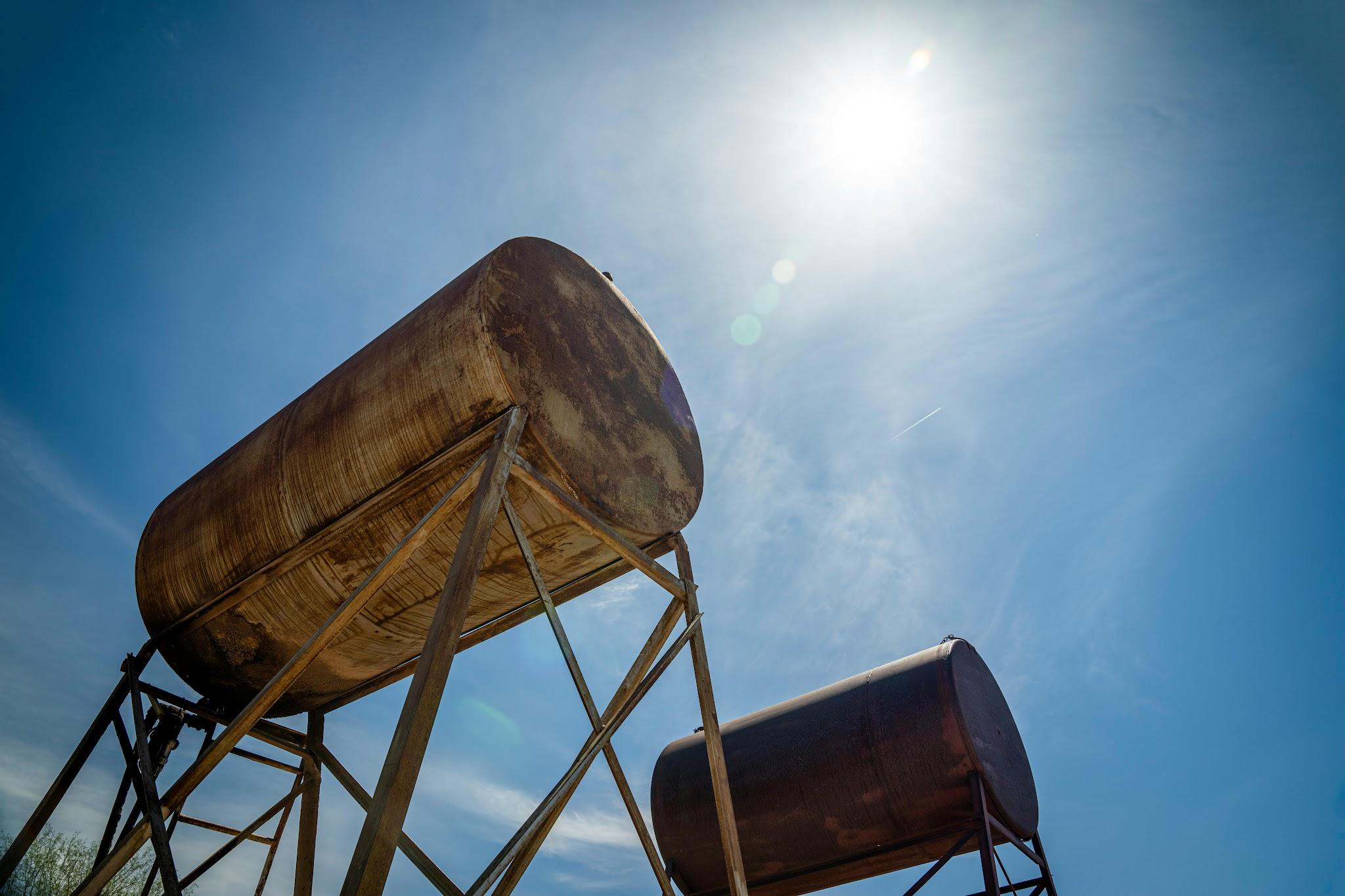
Professional tanks are designed to handle the weather and the dirt. They are much tougher than the plastic jugs used for small tools. The units stay strong even in the rain or heat. Steel is the best choice for any industrial environment.
Double-walled steel provides a second layer of safety for the environment. If the inner wall cracks, the outer wall catches the liquid. The design prevents fuel from hitting the soil.
They often come with built-in pumps and meters. It makes it easy to track exactly how much fuel the team uses each day. You will know if you are wasting money or if someone is stealing. Accurate records help with tax filings and budget planning.
Protecting The Soil And Water Supply
Spills are a nightmare for the budget and the local water supply. A single gallon of oil can ruin thousands of gallons of drinking water. Protecting the Earth is a responsibility for every contractor. You must have a plan for every drop of liquid on the site.
Secondary containment is the law in most states for a reason. It acts as a safety net for any mechanical failure. Basins are a must-have for any large fuel tank. They catch the spill before it reaches the ground.
Regular inspections help you find rusty spots before they become holes. A quick look every morning goes a long way. Catching a problem early saves a lot of stress later. It keeps the site running without any messy surprises.
Sustainability Efforts Drive Better Safety
Going green often makes a site much more organized. A recent report mentioned that many top executives plan to allocate 6% of their revenue toward sustainability initiatives. Investments often fund better equipment and safer storage methods for the whole crew. Safety and efficiency go hand in hand.
Reducing waste is a core part of staying profitable and safe. A clean site is a site where fewer people trip or get hurt. It creates a better culture for the workers. People take more pride in their work when the site looks professional.
Newer tanks reduce the amount of vapor that escapes into the air. It keeps the atmosphere fresh for the guys on the ground. It is better for the lungs and the environment. Cleaner air means a more comfortable day for everyone.
- Heavy steel walls to stop leaks.
- Locking caps to prevent tampering.
- Fire extinguishers are kept within 50 feet.
- High-visibility paint for better safety.
Training Workers For Safe Refueling
Safety starts with the person holding the hose. Every worker should know the right way to fill a tank without splashing. Training is the best way to prevent common mistakes. Knowledge is the strongest shield against accidents.
Spills happen when people are in a rush. Taking an extra 2 minutes to do it right saves hours of cleanup. It is worth the wait to keep the ground dry. Patience is a key part of staying safe.
Training should include how to use a spill kit. Knowing where the absorbent pads are kept is a lifesaver during a leak. Practice drills once a month. Being ready makes a huge difference when an accident happens.
Transitioning To Cleaner Energy Options
The way we power sites is starting to change for the better. An industry article noted that renewables are expected to produce 42 gigawatts of power in 2024. The shift might change how sites manage their power needs in the future. Batteries offer a quiet and clean way to get the job done.
Using electric tools alongside diesel machines is becoming more common. It lowers the risk of fire in tight spaces. You do not have to worry about fumes inside a building. Electric options are getting stronger every year.
Hybrid systems offer a middle ground for remote projects. They combine the reliability of a generator with the safety of a battery. It is a smart way to lower your carbon footprint.
Managing a build site is a huge job with many moving parts. Keeping the fuel stored correctly is one of the best ways to prevent big accidents. It shows that you care about your team and the land.
When you take care of your equipment, the equipment takes care of you. A safe site is a place where every worker can focus on doing their best work. Taking steps leads to a successful project every time.