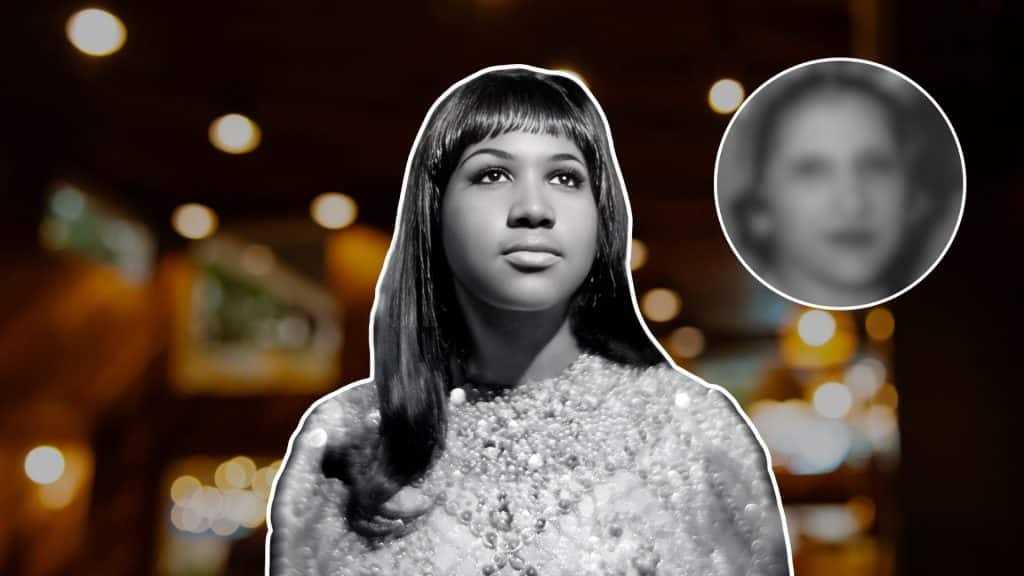
Have you ever wondered who inspired the Queen of Soul?
Every legendary artist has roots that run deep, shaped by people who remain in the shadows of history.
When we think of Aretha Franklin, we celebrate her voice and her impact on music. But what about the woman who first showed her the power of the gospel and the beauty of piano keys?
The story behind Aretha’s talent is one of family, separation, loss, and lasting influence.
In this blog, I’ll show you the untold story of the woman who gave Aretha Franklin her first lessons in music and life
Who Was Aretha Franklin’s Mother?
Barbara Vernice Siggers Franklin was born on June 29, 1917, in Shelby, Mississippi. She became a gifted gospel singer and pianist.
Barbara earned recognition from gospel legend Mahalia Jackson, who praised her as one of the finest gospel voices in America.
She is best remembered as the mother of Aretha Franklin, the Queen of Soul. Barbara’s life reflected deep faith and talent.
Her musical discipline and faith helped guide Aretha’s early direction. Barbara’s influence remained strong throughout her daughter’s career.
Early Life & Background of Barbara Siggers Franklin
Barbara grew up in Shelby, a small town in Bolivar County, Mississippi. She was one of twelve children in the Siggers family.
Her parents, Samuel L. Siggers and Clara Iwane Lowe Siggers, raised their large family in the Mississippi Delta region. Cotton farming defined life there.
Musical Beginnings:
Barbara’s natural talent for music showed early in her childhood. She developed piano skills and vocal strength through church music.
Her abilities caught attention quickly. She became choir director at Friendship Baptist Church in Memphis, Tennessee, where she refined her vocal and piano skills.
This role deepened her connection to gospel traditions. The training Barbara received in church would later influence her children’s artistic abilities and musical choices.
Marriage to C.L. Franklin and Family Life
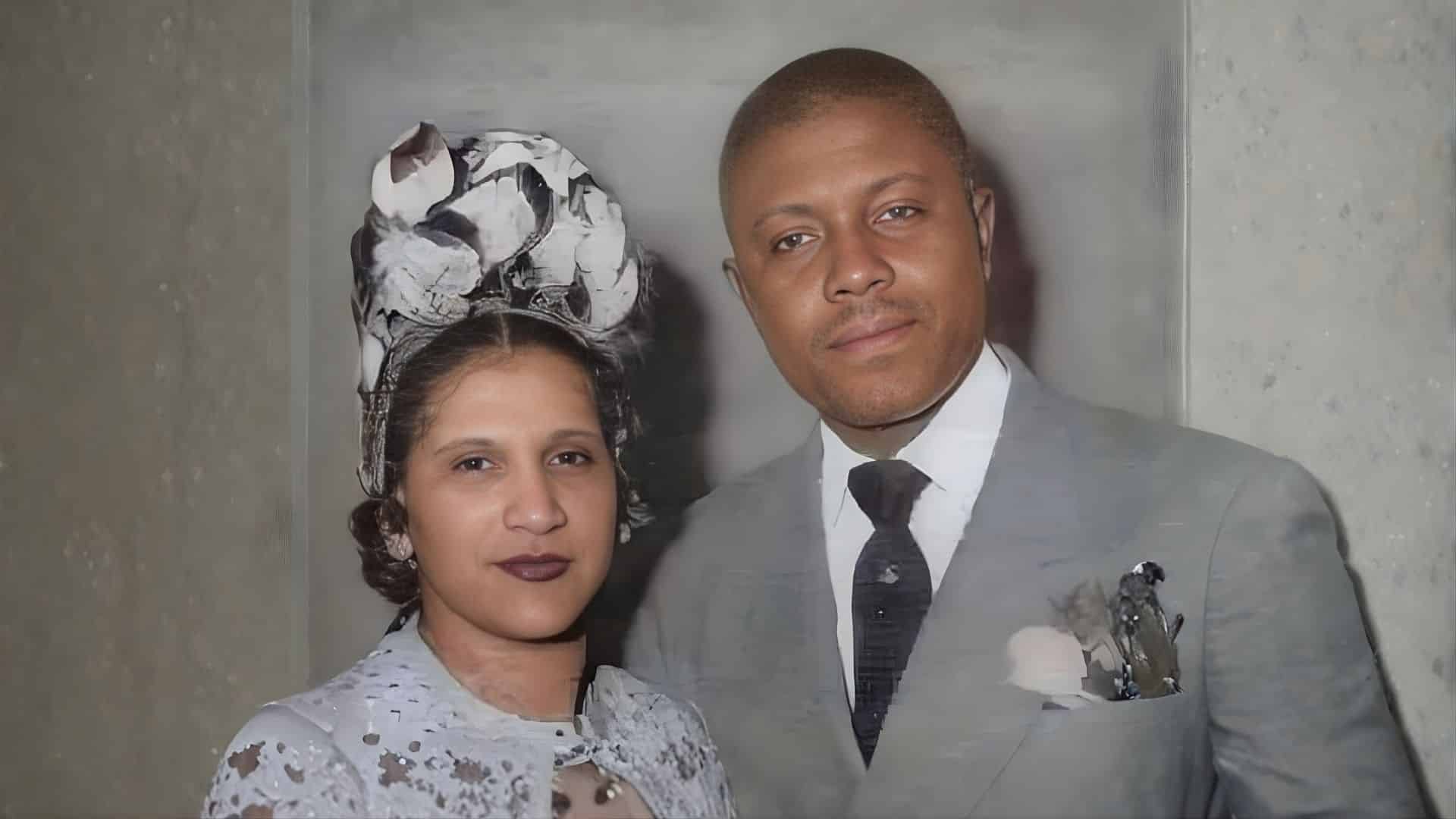
In 1936, Barbara married Clarence LaVaughn Franklin, a Baptist minister who would gain fame for his compelling sermons. She was just 19 years old.
She already had a son, Vaughn, from an earlier relationship. C.L. adopted Vaughn and raised him alongside their other children.
Their Children:
- Erma – Born 1938
- Cecil – Born 1940
- Aretha – Born 1942
- Carolyn – Born 1944
The family started in Memphis before relocating to Detroit. C.L. became the pastor at New Bethel Baptist Church. Music and gospel filled their home daily.
Behind the scenes, trouble brewed. C.L.’s demanding ministry schedule and alleged affairs created tension. The marriage began cracking under these pressures.
Why Did Barbara Siggers Franklin Separate and Relocate?
By 1948, Barbara reached her breaking point. C.L.’s affairs and his demanding ministry career had pushed their marriage to the edge. She chose to leave.
Her Fresh Start in Buffalo:
- Moved to Buffalo, New York, to be near her mother
- Found work at a local music store
- Gave private piano lessons to students
- Trained as a nurse’s aide
Staying Connected:
Barbara and C.L. never officially divorced, but their separation was real. She refused to let distance break her bond with the children.
She visited Detroit regularly to see them. Barbara also sent financial support whenever she could, showing her love through both presence and provision, despite the miles.
How Did Barbara Siggers Franklin Influence Aretha?
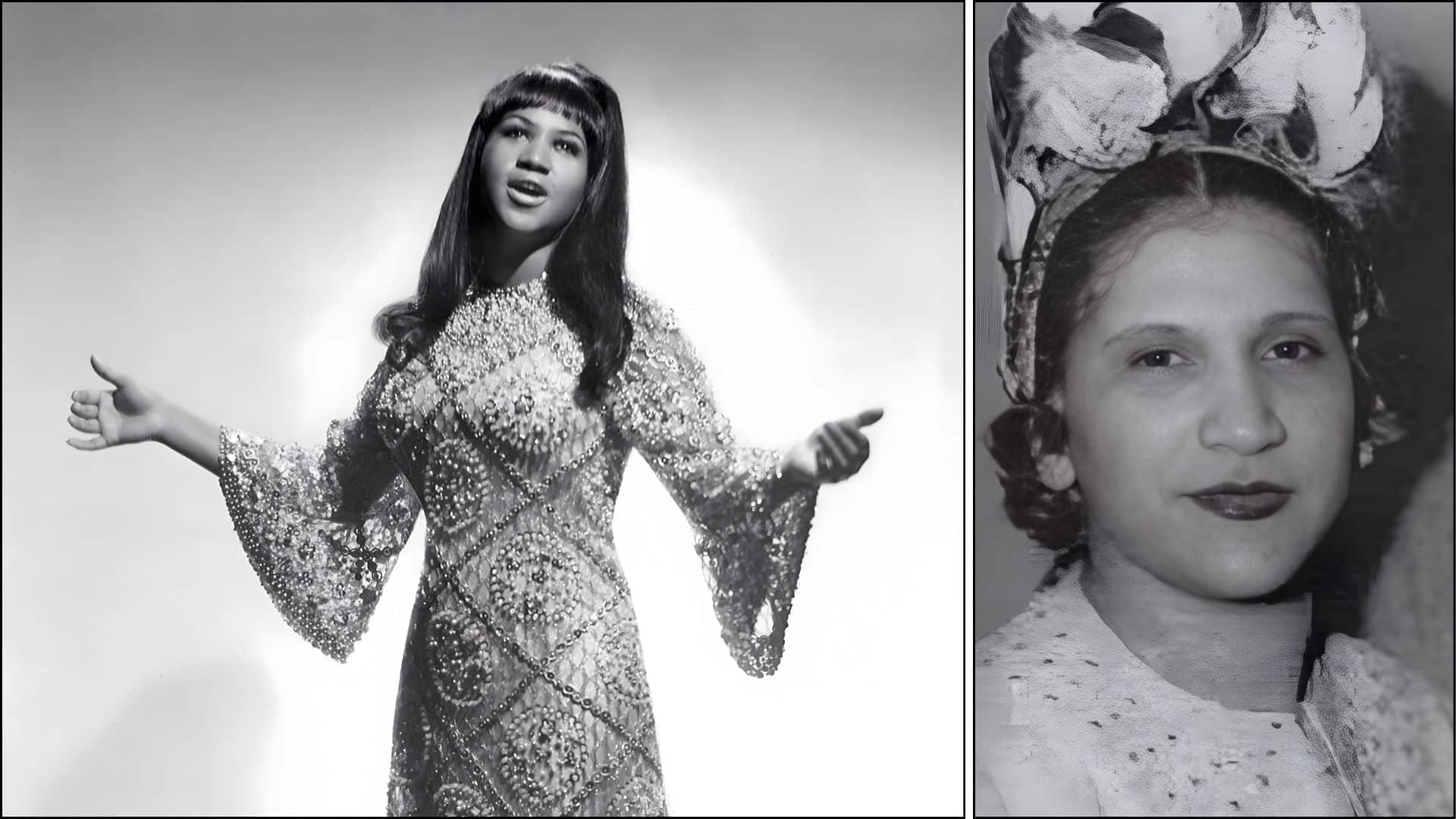
Barbara’s role in Aretha’s growth extended well beyond family ties. She taught her daughter the basics of gospel singing and piano playing.
Aretha made regular trips to Buffalo to spend time with her mother. During these visits, she watched Barbara perform and absorbed her musical style.
Key Influences:
Vocal technique → Barbara’s gospel singing shaped Aretha’s powerful voice.
Piano skills → Early lessons from her mother built Aretha’s musical foundation.
Emotional expression → The pain of separation taught Aretha to channel feelings into music.
Gospel roots → Barbara’s faith shaped Aretha’s musical foundation.
Losing her mother at a young age affected Aretha deeply. These feelings came through in songs like “Ain’t No Way,” adding raw honesty to her performances.
When Did Barbara Siggers Franklin Die?
Barbara suffered a fatal heart attack on March 7, 1952, while living in Buffalo, New York. She was only 34 years old then.
The Aftermath:
✓ Laid to rest at Forest Lawn Cemetery
✓ Aretha was just nine years old
✓ C.L. arranged for all children to attend
✓ The family gathered in Buffalo to say goodbye
Her unexpected passing deeply affected her family and loved ones. For Aretha, her mother’s death created a lasting emotional absence.
This pain became fuel for her music. The grief shaped her emotional depth and poured into every powerful performance she gave throughout her career.
How Is Barbara Siggers Franklin Remembered?
Barbara’s memory lives on through her children’s accomplishments. Her greatest legacy shines through Aretha’s music career and her other children’s success stories.
Her Legacy in Media:
✓ Portrayed by Audra McDonald in the 2021 film Respect
✓ Featured in documentaries about Aretha’s life
✓ Mentioned in biographies of the Franklin family
Biographers and music historians recognize Barbara as a talented gospel singer who deserved more recognition during her lifetime. Her story continues reaching new audiences today.
Her quiet strength and musical gifts shaped the Queen of Soul. Barbara remains an important figure in music history through Aretha’s lasting impact.
Disclaimer: The information shared here is based on publicly available sources and current estimates. This content is for general informational purposes only and should not be taken as exact or official data.
Wrapping It Up
Barbara Siggers Franklin may not be as famous as her daughter, but her impact on music history cannot be ignored.
She offered Aretha Franklin more than upbringing alone. She gave her a voice, a foundation in gospel, and the emotional depth that made her performances unforgettable.
Though Barbara’s time was brief, her influence lasted decades through her children’s achievements.
Her story reminds us that greatness often begins with someone who believes in us first. The Queen of Soul carried her mother’s musical gifts throughout her entire career.
What do you think made Barbara’s influence so powerful? Share your thoughts or questions in the comments below!