Planning food for a work event requires careful thought about many different moving parts. A well-fed team is more productive and happy during a long meeting. Choosing the right menu creates a positive atmosphere for everyone in the building.
Success depends on planning and knowing what the office needs. You can make the process smooth with the right information and a clear plan.
Setting A Realistic Budget For Your Team
Determining the cost per person is the first step in planning any office gathering. A lunch for 30 people averages about $32 per guest before service fees. Account for local taxes and gratuity when calculating the final sum. Leaving a small buffer in the budget covers last-minute additions to the guest list.
Many caterers offer different tiers of service to match various budget levels. Dropping off a few trays of sandwiches is much cheaper than hiring a full staff. Staffing fees and equipment rentals can add up quickly for large groups. Ask for an all-inclusive quote to avoid hidden charges.
Managing Logistics For Large Groups
Organizing a large event demands attention to small details that get ignored. Professional caterers like those at CottonCulinary.com can make the process easier for businesses. Providing clear directions for the delivery driver prevents delays in a busy lobby. Designate a specific person to greet the kitchen staff upon arrival.
The timing of the delivery is just as important as the food itself. Aim for a setup time that is fifteen minutes before the meeting starts. Having everything ready to go keeps the schedule on track and prevents hunger. A little bit of preparation makes the entire morning run much better.
Tracking The Growth Of Corporate Dining
Companies are investing more in the employee experience through shared meals. Market reports for the industry projected that US catering revenue would hit roughly $14.4 billion by 2025. This spike in spending reflects a desire to bring remote workers back into the physical office.
People value the time spent eating together away from their computer screens. Investing in a great meal shows that the company values the hard work of its team members. The increase in industry revenue means more local businesses are entering the market. You have more choices than ever before for your next lunch or dinner meeting.
Understanding Modern Dining Expenditures
Rising costs are a reality for every business manager in the current economy. Recent data on corporate spending showed that business dining costs rose 14% recently, which was 10% higher than general food inflation. Some offices choose to host fewer events but focus on better quality for each one.
Many businesses are looking for ways to save money without losing quality. Ordering in bulk or choosing seasonal items can lower the total price. Compare different providers to see who offers the best value. Some caterers provide discounts for recurring weekly or monthly orders.
Choosing The Best Service Style
Selecting the right way to serve your guests depends on the goals of the meeting. A casual brainstorming session might work best with a simple buffet line. Plated service adds a level of sophistication to a formal board meeting or a client presentation. Look into the following options for your next gathering:
- Boxed lunches for outdoor gatherings or quick working breaks.
- Family-style service encourages team members to interact.
- Passed appetizers for late afternoon mixers and celebrations.
- Food bars that allow guests to customize their meals.
The amount of space in the room will help you decide which style is best. Buffets require long tables and enough room for a line to form. Boxed meals are easier to hand out in a cramped conference room. Quick options are usually preferred for busy workdays.
Prioritizing Dietary Needs And Preferences
Collecting information about food restrictions is a part of modern event planning. Send out a survey to the team well before the event date. Many people have allergies to nuts, dairy, or gluten that require strict standards. Providing a range of vegetarian and vegan options keeps the entire group included.
Respecting dietary choices builds trust and shows that you care about your coworkers. No one wants to be the person who cannot eat at the office party. Double-check the labels on the food as soon as it arrives. Cross-contamination is a serious concern for people with severe allergies.
Evaluating Venue Constraints For Catering
The office layout dictates the type of food you can realistically serve to a group. Small elevators or narrow hallways might make it hard to move large warming trays. The breakroom should have enough counter space for the intended spread.
Trash management is another detail that needs a plan before the food arrives. Strong smells can linger in a workspace and distract people who are still trying to work. Ask the caterer if they provide trash removal as part of their service. It is your job to check if the room is ready for the next meeting.
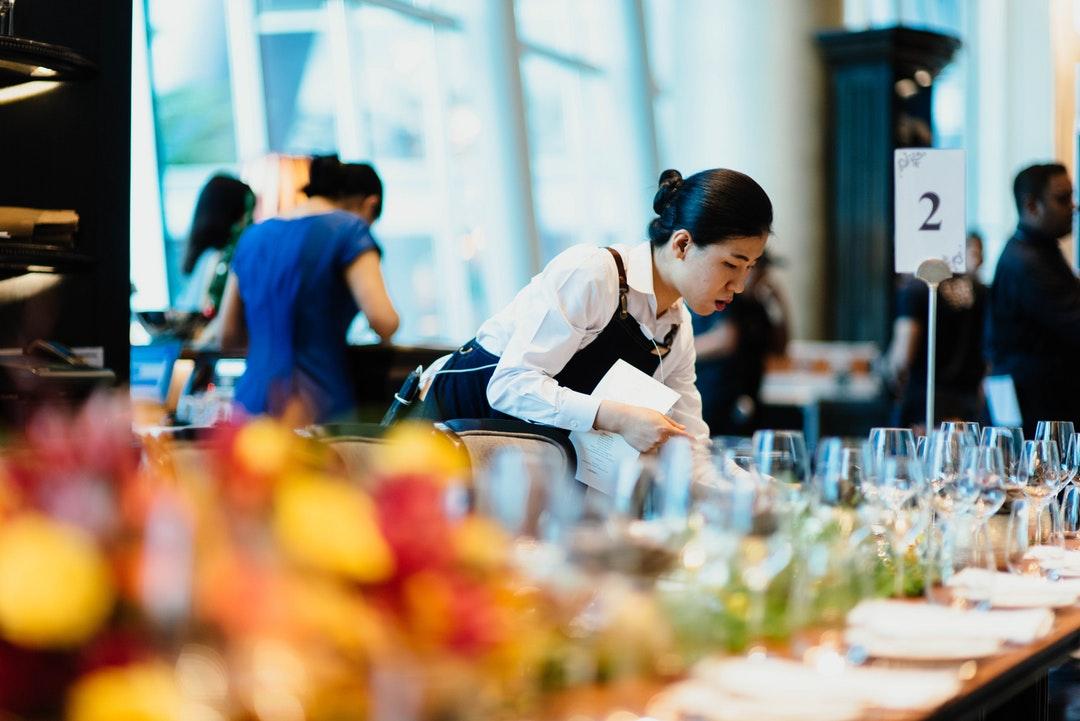
Good food brings people together and makes work life much better. Your coworkers will appreciate the thought put into the menu and the service. Keep these tips in mind for your next corporate function to make it a hit.