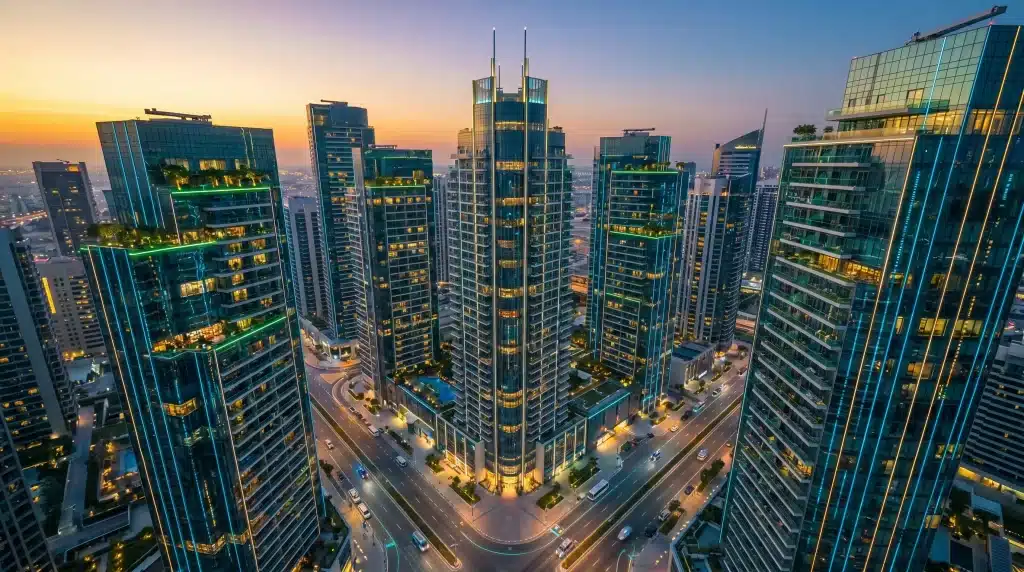
Cities are evolving faster than ever, and technology is at the center of that transformation. What used to be slow-moving infrastructure decisions are now driven by real-time data, intelligent systems, and interconnected platforms. For real estate investors, this shift is defining where value is created and how properties perform over time.
Urban communities are becoming more responsive, more efficient, and more digitally connected. Buildings are no longer static assets; they’re active systems that adapt to the needs of tenants and the broader environment. Here is how those technologies are being used.
Intelligent Infrastructure
At the foundation of this transformation is the building itself. For decades, property performance depended largely on location and management. Today, it increasingly depends on how intelligently a building operates.
A smart building control system represents a fundamental shift for owners of multiunit residential properties. Instead of relying on fixed schedules or manual oversight, these systems use data to optimize heating, cooling, and energy consumption in real time. For example, smart boiler controls can precisely monitor and adjust indoor temperatures, cutting heating cost by up to 21%.
For urban investors, this matters because energy is one of the largest operating expenses in multifamily properties. When systems can automatically adapt to weather patterns, occupancy trends, and usage behavior, costs drop while tenant comfort improves. It’s a rare combination that directly impacts both net operating income and tenant satisfaction.
Digital Community Engagement
While infrastructure technology operates behind the scenes, other innovations are reshaping how communities interact in visible, everyday ways. LED walls are a strong example of this shift.
Traditionally, communication within urban communities relied on static signage, bulletin boards, or scattered digital channels. That approach often led to fragmented information and low engagement. LED communication walls change the dynamic by creating centralized, high-visibility platforms for sharing information in real time.
These systems can display announcements, local events, safety alerts, and even neighborhood-specific content. In mixed-use developments or large residential complexes, they become a digital hub that connects tenants, property managers, and local businesses.
For investors, the value goes beyond aesthetics. Properties that foster a sense of connection tend to retain tenants longer and attract higher-quality renters. In urban environments where people can feel disconnected despite being surrounded by others, this kind of engagement becomes a differentiator.
Data-Driven Urban Planning and Investment Decisions
One of the most significant changes in real estate is how decisions are made. Data has moved from a supporting role to a central one.
Urban investors now have access to detailed insights about everything from foot traffic patterns to demographic shifts and infrastructure usage. This data can inform where to acquire properties, how to price units, and what amenities to prioritize.
For example, analyzing transportation data can reveal which neighborhoods are becoming more accessible and therefore more desirable. Monitoring retail and dining trends can indicate where demand for mixed-use developments is growing. Even social data can provide signals about shifting preferences among renters.
The advantage is clarity. Instead of relying on broad assumptions or outdated reports, investors can make decisions based on current, localized information. That reduces risk and increases the likelihood of long-term success.
Smart Mobility and Its Impact on Property Value
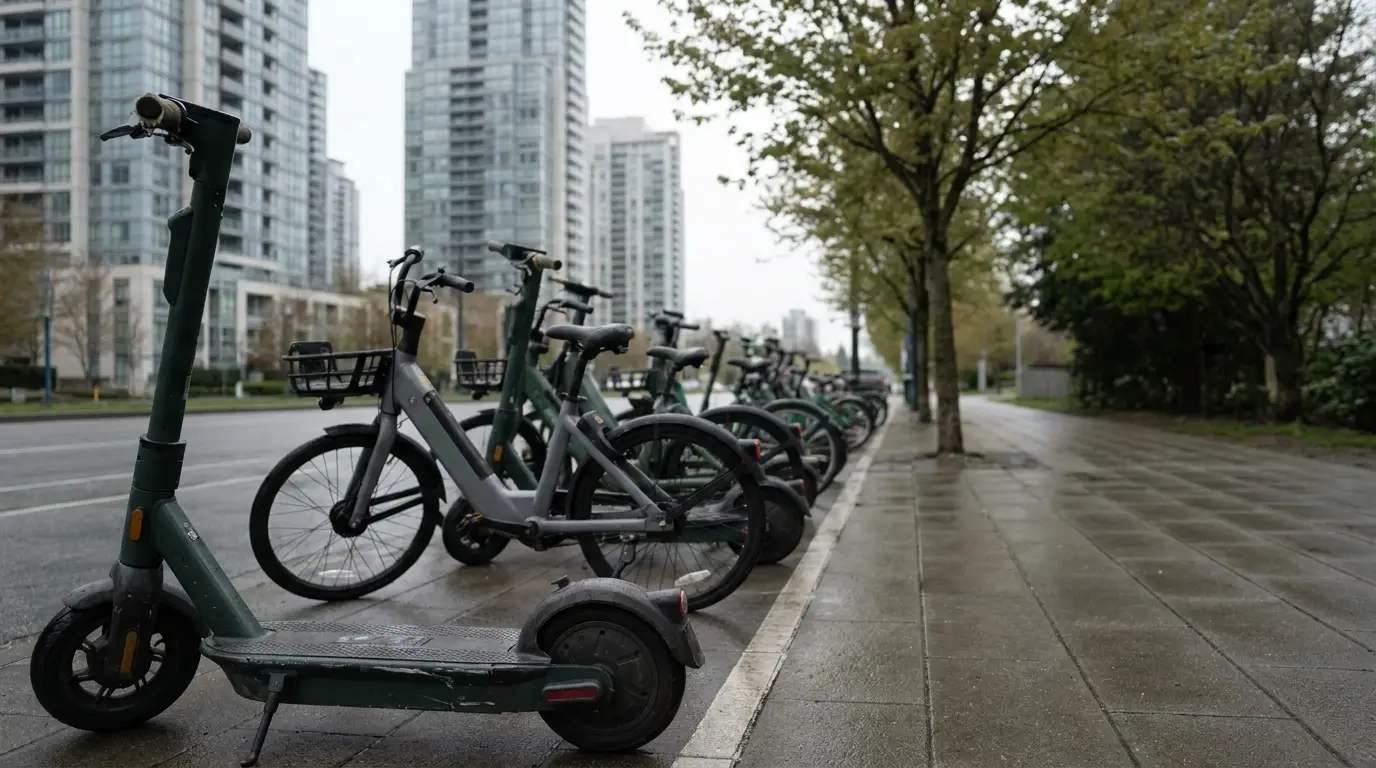
Transportation has always influenced real estate, but technology is reshaping it in ways that are still unfolding.
Ride-sharing platforms, electric scooters, bike-sharing programs, and the gradual shift toward autonomous vehicles are all changing how people move through cities. This has direct implications for property design and location value.
Parking, for instance, is becoming less of a priority in some urban areas. Buildings that once needed large parking structures can now repurpose that space for amenities or additional units. At the same time, proximity to transit hubs and mobility services is becoming more valuable.
For investors, this creates both opportunities and challenges. Properties that align with evolving mobility patterns can see increased demand, while those that don’t may struggle to stay competitive.
PropTech Platforms Are Changing How Portfolios Are Managed
Beyond physical infrastructure, software platforms are transforming how properties are managed at scale.
PropTech solutions now handle everything from leasing and tenant communication to maintenance scheduling and financial reporting. These platforms bring together multiple aspects of property management into a single interface, making it easier for investors to oversee complex portfolios.
Automation plays a major role here. Routine tasks like rent collection, lease renewals, and service requests can be handled with minimal manual input. That frees up time for property managers to focus on higher-value activities, such as tenant relationships and strategic planning.
For urban investors managing multiple properties, this level of efficiency is critical. It allows them to scale operations without sacrificing quality or responsiveness. It also creates a more consistent experience for tenants, which is increasingly important in competitive rental markets.