Did you know one trial lasted longer than any other in Georgia’s history?
The Young Thug YSL RICO casecaught national attention for years. It involved serious legal battles and raised significant questions about music and the law.
The case brought together topics like criminal charges, court decisions, and what rappers can say in their songs. It also showed how long legal processes can take when multiple people are involved.
In this blog, I’ll show you the complete details of this case. You’ll learn about the charges, the court process, and what happened to the rapper.
Here’s everything you need to know about this major legal battle.
What Is the Young Thug YSL Rico Case?
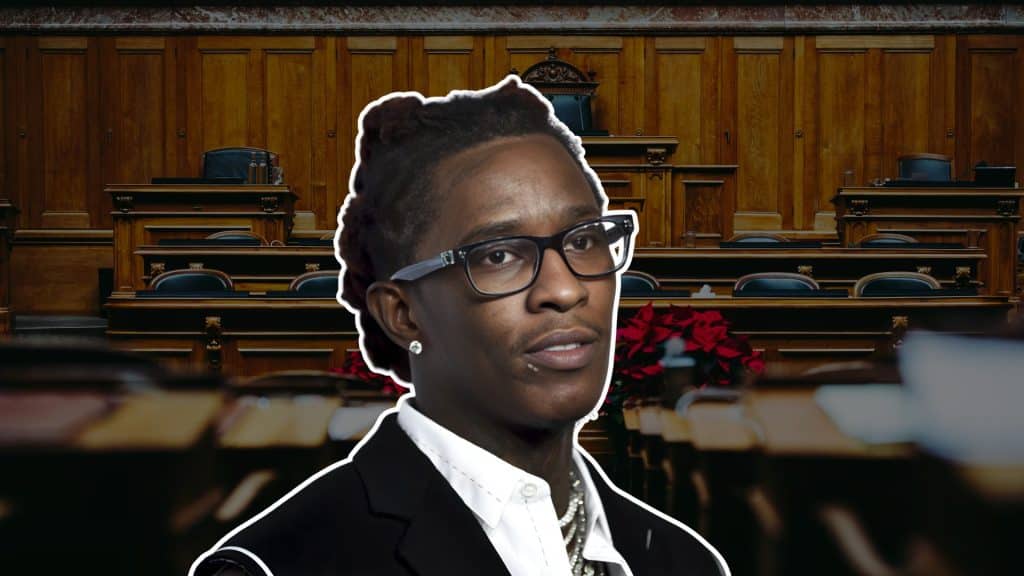
The Young Thug YSL RICO case is a major criminal prosecution in Georgia. It involved rapper Jeffery Williams, known as Young Thug, and 27 others linked to his YSL Records label.
The Core Allegation:
Prosecutors claimed YSL operated as two things at once:
- A hip-hop record label
- A criminal street gang called Young Slime Life
What YSL Was Accused Of:
✓ Involvement in violent crimes
✓ Participation in armed robberies
✓ Drug trafficking operations
✓ Gang-related activities over multiple years
Georgia’s RICO Act was used to file conspiracy charges against the group. Evidence presented in court included rap lyrics, social media posts, and witness statements.
Young Thug argued that YSL had legitimate meanings instead. He said it stood for “Young Stoner Life” or referenced the fashion brand “Yves Saint Laurent.” He maintained it was a legal music label.
The case quickly became one of the most closely watched prosecutions in the state. It raised serious questions about free speech. Prosecutors used rap lyrics and artistic content as evidence in court proceedings.
Timeline of Arrest and Trial
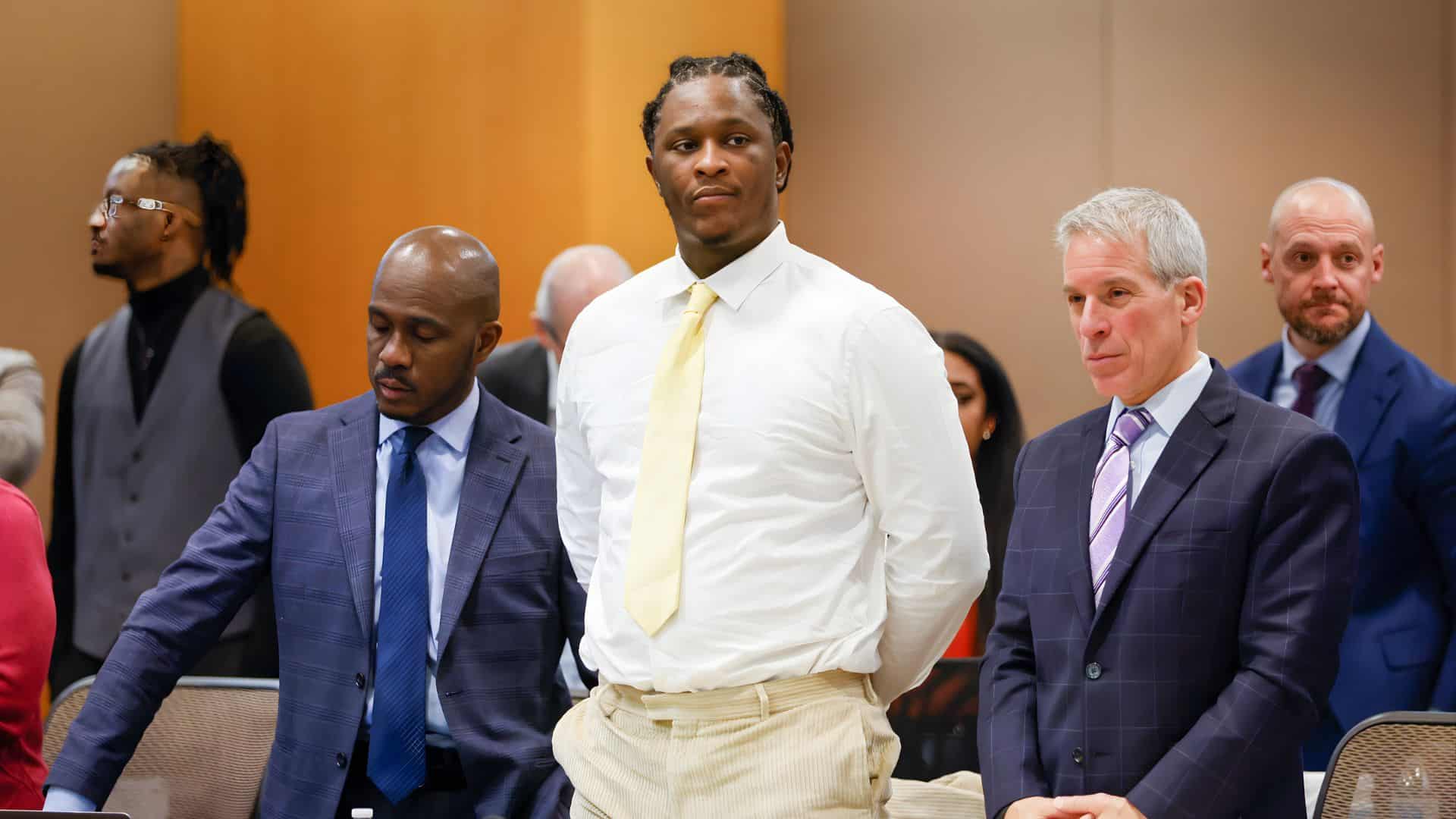
The Young Thug YSL RICO case unfolded over several years. It began with mass arrests and indictments in 2022. The proceedings stretched on as delays and legal challenges mounted.
Here’s how the case progressed from arrest to resolution
2022: Arrests and Indictments:
→ May 9, 2022: Young Thug and 27 others indicted on 56 RICO-related counts; arrested during Atlanta home raid with gun and drug charges added.
→ August 10, 2022: Expanded indictment adds six additional felony charges for Young Thug.
→ December 14, 2022: Co-defendant Gunna released after Alford plea to racketeering charge.
2023: Jury Selection and Trial Begins:
→ January 2, 2023: Jury selection begins and lasts for 10 months.
→ November 27, 2023: Trial officially starts with opening statements for six remaining defendants.
What Charges Did He Face?
Young Thug faced eight charges in the final indictment. The main charge was conspiracy to violate the RICO Act for gang-related racketeering activities.
He also faced two counts of participation in criminal street gang activity. Additional charges included three counts of violating Georgia’s Controlled Substances Act for drug possession.
Other charges included possessing a firearm during a felony and possessing a machine gun. Prosecutors alleged he led YSL as a gang and rented vehicles for crimes.
Prosecutors pointed to his public work to support their broader claims. He was not charged with direct violent acts but with an overarching conspiracy instead.
Did Young Thug Change His Plea?
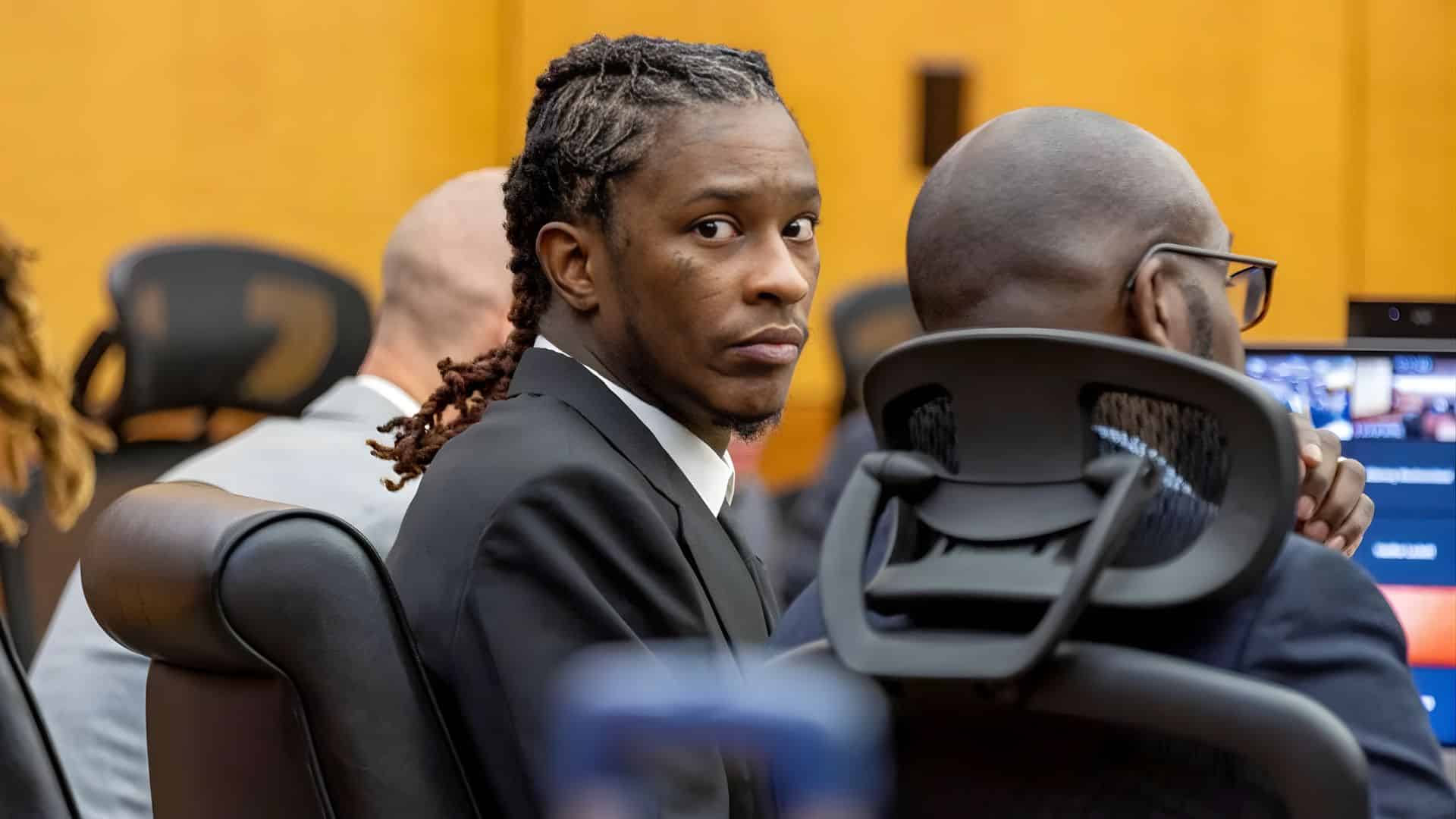
Yes, Young Thug initially pleaded not guilty to all charges in 2022. He maintained his innocence throughout pretrial hearings and the early trial phases.
The Plea Change
On October 31, 2024, he changed his plea strategy in a significant move. He entered a non-negotiated guilty plea on six counts, including gang, drug, and gun charges.
For two other charges, racketeering and gang leadership, he entered nolo contendere pleas. This means he did not contest those charges without admitting full guilt to them.
What This Meant for His Sentence
The plea deal helped him avoid a complete trial verdict and potential harsher consequences. It commuted a possible 40-year sentence to time served, which was over two years in custody.
He also received 15 years of probation as part of the agreement. As of 2025, his attorney has filed a motion to modify the sentencing terms.
Is Young Thug Released Now?
Yes, Young Thug was released from custody on October 31, 2024, a significant update in the young thug trial.
He walked free immediately after his plea and sentencing hearing. He served over 900 days in jail before his release.
Probation Terms He Must Follow:
He is now on 15 years of probation with strict conditions. He has a 10-year ban from metro Atlanta with exceptions for family, business, or anti-gang events.
He cannot contact gang affiliates except family or approved music collaborators like Gunna. He must give mandatory anti-gang presentations four times yearly at community events.
He also has to take random drug tests throughout the probation period. He cannot promote gangs in music or public appearances under any circumstances.
Where Is He Now?
As of December 29, 2025, he remains free and complying with probation terms. He has resumed his music career and is teasing new YSL projects while performing at events.
What Did Young Thug Say in Court About the Case?
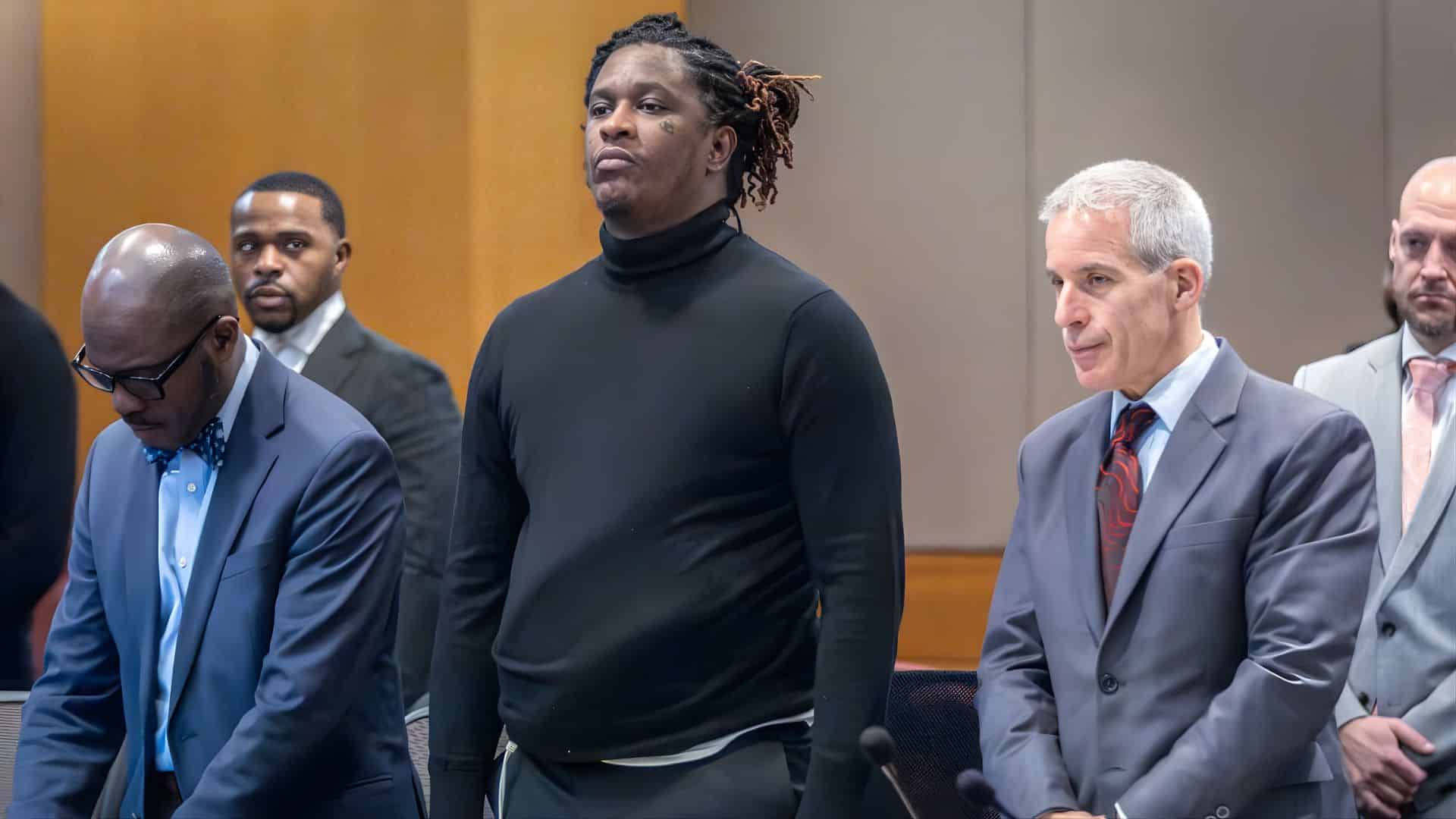
Young Thug gave an emotional speech on October 31, 2024, after his plea deal. He addressed Judge Paige Whitaker directly and took full responsibility for his actions and choices.
His Apology
He apologized to his family, managers, kids, the court, and the sheriff for wasting time and resources. He described himself as a smart guy with a good heart who got involved due to being nice or cool.
His Promise for the Future
He promised to do the right thing and avoid trouble moving forward. He said he would use his influence positively through free shows for charities and community investments.
He acknowledged how his words were viewed and promised to move forward carefully. He emphasized his growth and desire to make a positive impact on society.
His complete statement included saying he came to his senses. He promised he would never be in this situation again.
Wrapping It Up
The Young Thug YSL RICO case shows how complex the legal system can be.
It took years of court hearings, plea deals, and decisions to resolve. The process tested the patience of everyone involved.
This case showed how creative expression can be interpreted inside a courtroom. It showed how prosecutors can use creative work as evidence in court.
The outcome affected not just one person but the entire music community and how future cases might be handled.
Now that you know the whole story, what do you think about using rap lyrics in court?
Do you believe this case was handled fairly? Share your thoughts and questions in the comments below!