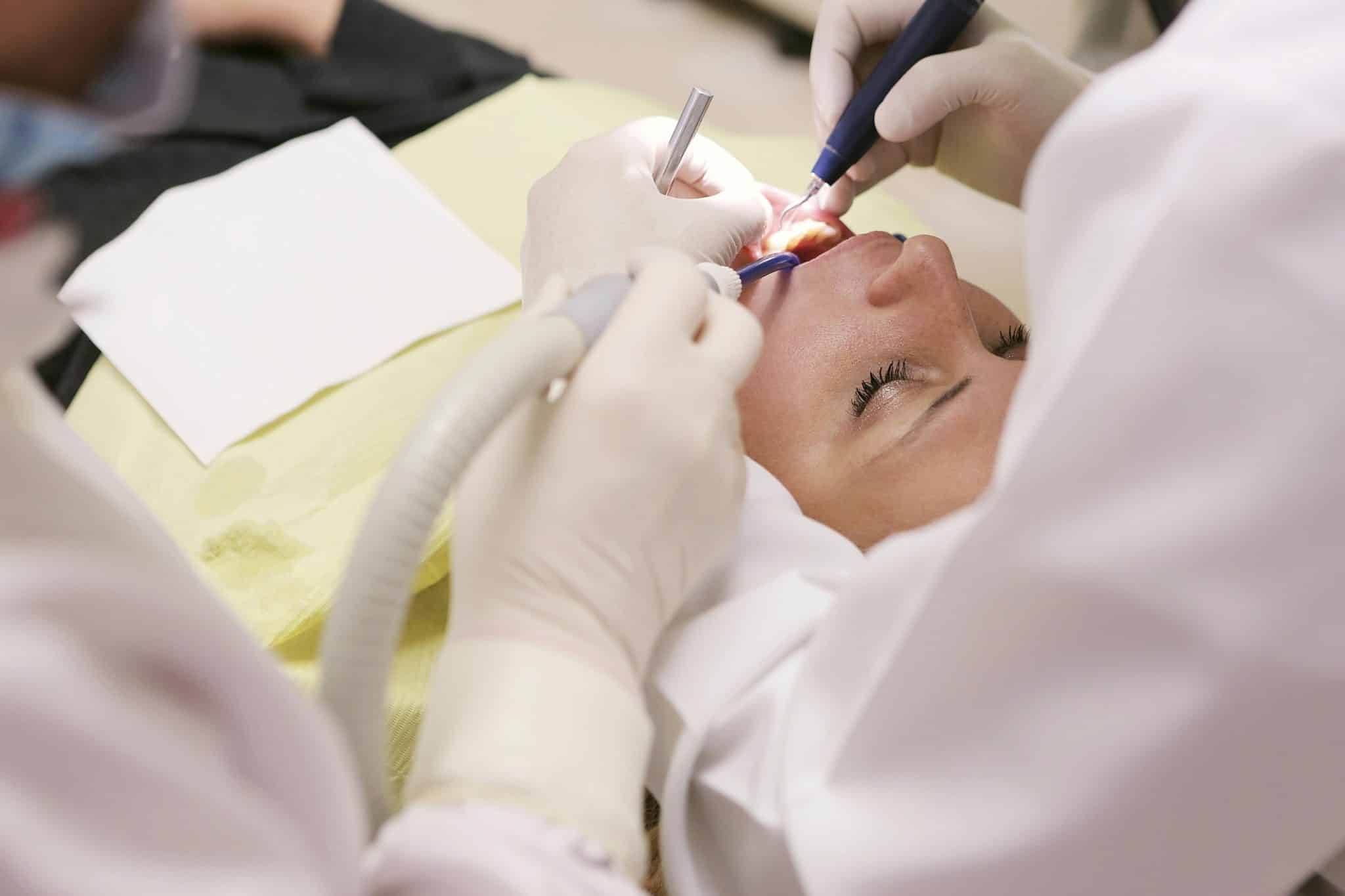

Experiencing a professional environment early helps students understand the pace, expectations, and culture of the workplace. It encourages responsibility, decision-making, and personal growth that extend beyond academics.
Engaging with real-world tasks sharpens perspective and builds awareness of how skills, attitudes, and choices influence outcomes. Early exposure also allows students to approach challenges with a practical mindset, fostering independence and adaptability.
Read on to see why early internship experience gives students a head start in life and how it can open doors to future success.
Building Career Clarity Early
For many students, the professional world feels like a distant “black box” until graduation day. However, landing an internship early on acts as a powerful diagnostic tool, stripping away the guesswork of career planning. Instead of relying on theoretical interests or high-level academic concepts, early exposure allows students to test-drive their passions in real-time.
The following are some ways internships ensure career clarity:
Exploring career paths
Securing internship experience early enables students to move beyond the surface-level descriptions found in textbooks to discover the day-to-day realities of a specific role. This early exposure allows for a strategic process of elimination, so one can pivot away from paths that don’t align with their strengths or values before they’ve invested years into a specific trajectory.
High school internships are becoming a cornerstone of career prep. Global healthcare internships, for example, let students witness the intensity of clinical environments, usually in underserved communities, firsthand. When looking for similar opportunities, one can use keywords like “high school internships near me” to identify programs that align with their future goals.
Ultimately, these experiences ensure that the transition into the workforce is driven by informed intent rather than guesswork.
Understanding strengths and interests
Real projects highlight areas where students excel and enjoy working, helping them recognize their natural abilities and professional preferences. Experiencing diverse tasks strengthens experiential learning, ensuring that decisions are grounded in practical knowledge rather than assumptions.
Avoiding costly career mismatches
Exposure to work early reduces the risk of pursuing a major or role that may not suit a student’s abilities or goals. Observing professional workflows and challenges allows students to identify which paths feel sustainable and fulfilling.
Developing Real-world Skills and Work Habits

Internships give students the chance to translate academic knowledge into practical experience, helping them meet real workplace expectations with confidence. Exposure to authentic tasks allows students to grow professionally and personally while building essential habits.
Here are some skills that students often develop during internships:
Professional communication skills
Interns learn how to convey ideas clearly, collaborate effectively with team members, and adjust their communication style for different audiences. They also gain confidence in presenting their work and sharing feedback in professional settings. Developing these abilities strengthens soft skills that are essential for building strong workplace relationships and succeeding in any career.
Time and task management
Interns practice prioritizing responsibilities, meeting deadlines, and balancing multiple tasks simultaneously. These experiences foster discipline and accountability, reinforcing the importance of planning and consistency. Cultivating a strong work ethic through such routines prepares students to tackle more complex projects and manage professional workloads efficiently.
Problem-solving and adaptability
Interns face unexpected challenges that require creative thinking, quick decision-making, and flexible approaches. Working through real problems helps students connect theory with practice and apply knowledge in practical settings. These experiences build resilience and emphasize real-world application, preparing students to handle varied situations in future roles.
Strengthening Resumes and Job Market Competitiveness
Early internship experience gives students concrete achievements that make their resumes more credible and compelling. Instead of listing only academic credentials, students can showcase real contributions, responsibilities, and measurable outcomes from their work. This practical background signals readiness to employers who value proven performance over potential alone.
Beyond strengthening resumes, internships help students build portfolios that demonstrate applied skills and tangible results. Projects completed during internships can serve as evidence of problem-solving ability, initiative, and attention to detail, which can also strengthen applications for advanced degrees. As a result, candidates stand out more clearly when competing for roles or academic opportunities that demand relevant experience.
At the same time, employers often favor applicants who require less onboarding and can adapt quickly to professional expectations. Internship experience suggests familiarity with workplace standards, collaboration, and accountability, which reduces perceived hiring risk. This advantage improves a candidate’s positioning in competitive hiring processes and increases their overall appeal in the job market.
Expanding Professional Networks and Mentorship Access
Internships introduce students to professionals who can influence future academic and career opportunities. Through daily collaboration with supervisors, peers, and clients, students begin forming meaningful professional connections. These relationships often become valuable sources of guidance, recommendations, and job leads over time.
Beyond initial connections, internships create opportunities for mentorship from experienced individuals in the field. Mentors can offer practical advice, share industry insights, and provide feedback that supports long-term growth. This guidance helps students better understand expectations, workplace norms, and potential career directions without overlapping with skills or resume-focused outcomes discussed elsewhere.
Over time, consistent performance during internships helps students build a positive professional reputation. Making strong impressions through reliability, initiative, and professionalism increases the likelihood of future referrals and collaborations. As a result, students develop a supportive network that continues to offer value well beyond their internship experience.
Building Confidence, Independence, and Career Readiness
Internships place students in situations where they must take responsibility for real outcomes, which gradually strengthens self-belief. Completing meaningful tasks and seeing the impact of their work builds a stronger sense of competence over time. This steady exposure to accountability helps students trust their abilities in professional environments.
As students grow more comfortable with responsibility, they often become more self-directed in how they approach challenges. Making decisions, adjusting to expectations, and learning from feedback encourages a healthier balance between independence and growth. Over time, this fosters maturity and helps students develop a stronger sense of personal direction.
With continued exposure to professional settings, students often feel better prepared for life after graduation. Familiar routines and expectations reduce uncertainty and make future transitions feel more manageable. Ultimately, these experiences contribute to greater confidence, emotional resilience, and a stronger sense of readiness for what comes next.
Final Thoughts
Early internships give students a meaningful head start by shaping career direction, strengthening skills, expanding networks, and building confidence. Gaining experience sooner allows students to graduate with clarity, competence, and stronger opportunities ahead.